
I was glancing at the clock, coffee in one hand, a snack cup in the other, when I stumbled on a printable gratitude journal template tucked into a parent helper's email. It looked simple, quick, and kind of perfect for the morning rush with my toddler class.
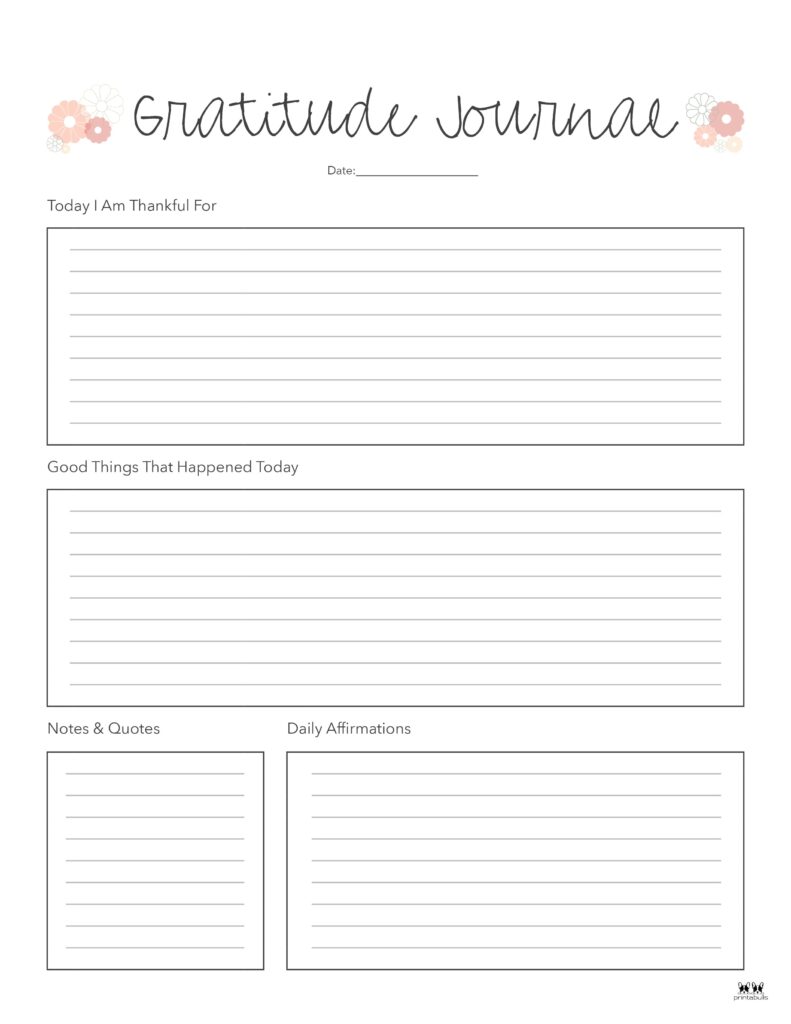
With only a few minutes before the afternoon nap songs, I scanned a few options and settled on a one-page, picture-friendly version. It asked kids to point to something they were grateful for and draw a simple picture. I liked that it could be completed with small hands and without heavy writing, which is essential in a busy preschool setting. The moment felt manageable, not overwhelmed. It gave me a tiny safety net for the morning.
Choosing the moment
That first session happened after circle time when the room was still buzzing. I printed a black-and-white sheet, handed out crayons, and let the children choose one prompt: something they liked about today or someone they liked. We did a quick demo: I modeled writing a letter, then they added a scribble or a sticker to finish their page. We kept the pace steady, a helper to remind us to keep it brief, and I praised effort rather than product.
One tradeoff stood out: some kids needed very concrete prompts and an adult nudge to stay focused. If I promised a finished masterpiece, we'd be glued there for too long. So I kept the expectations loose and used prompts like I am thankful for a tiny picture. The rest was routine, quick, and forgiving. The kids liked the sense of completion, and I was grateful for a predictable rhythm.
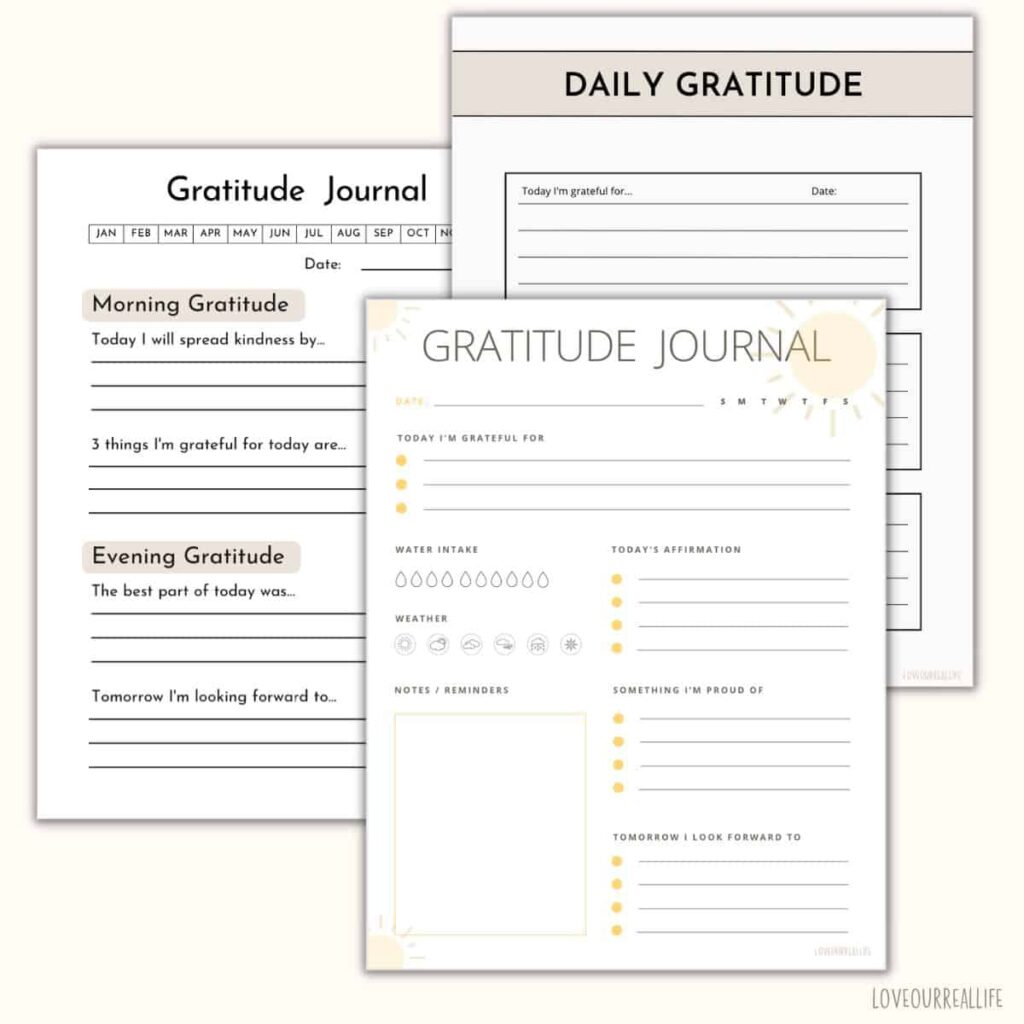
Right print for the moment
Within a week, I noticed small shifts on classroom turns. Transitions felt softer; kids warmed up to sharing, even with shy ones. Some asked to revisit their page later, and a few created earlier versions for home. The printable structure helped us define the moment without turning a chaos-filled morning into a test. And we kept a tiny display on the shelf to remind us to pause and breathe.
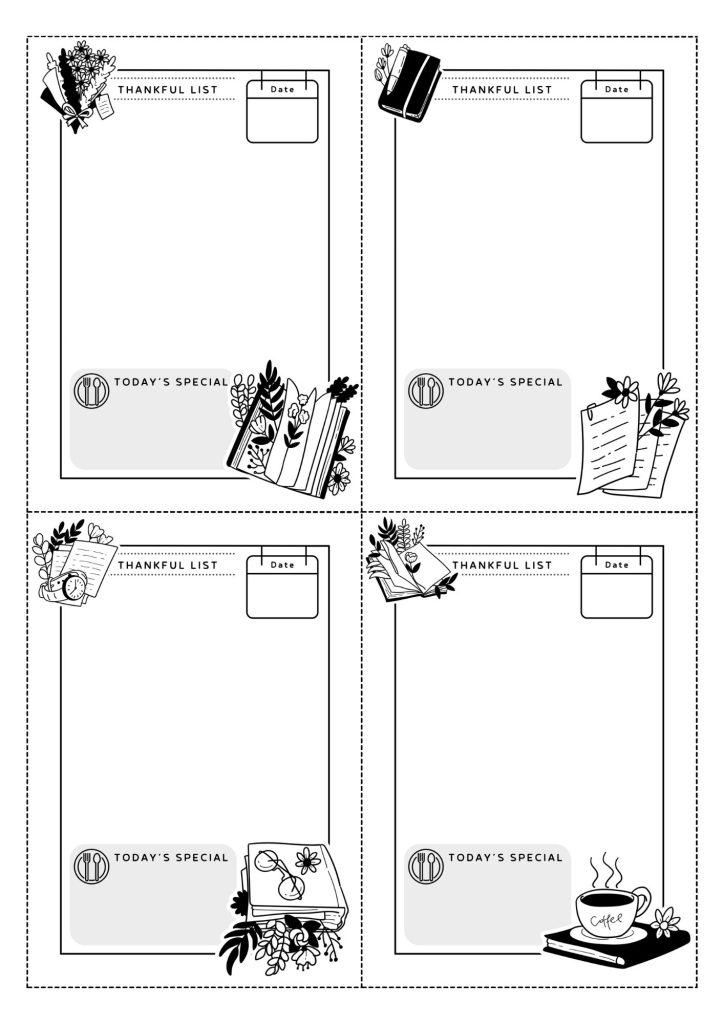
Later, I experimented with variants: a color version for the morning meeting, a no-writing version for cleanup days, and a laminated page that sticks to the easel for quick reference. We discovered that flexibility mattered as much as content. A few quiet kids drew more with markers, while others chose photos from a class magazine. On noisy days, we kept it light and fast.
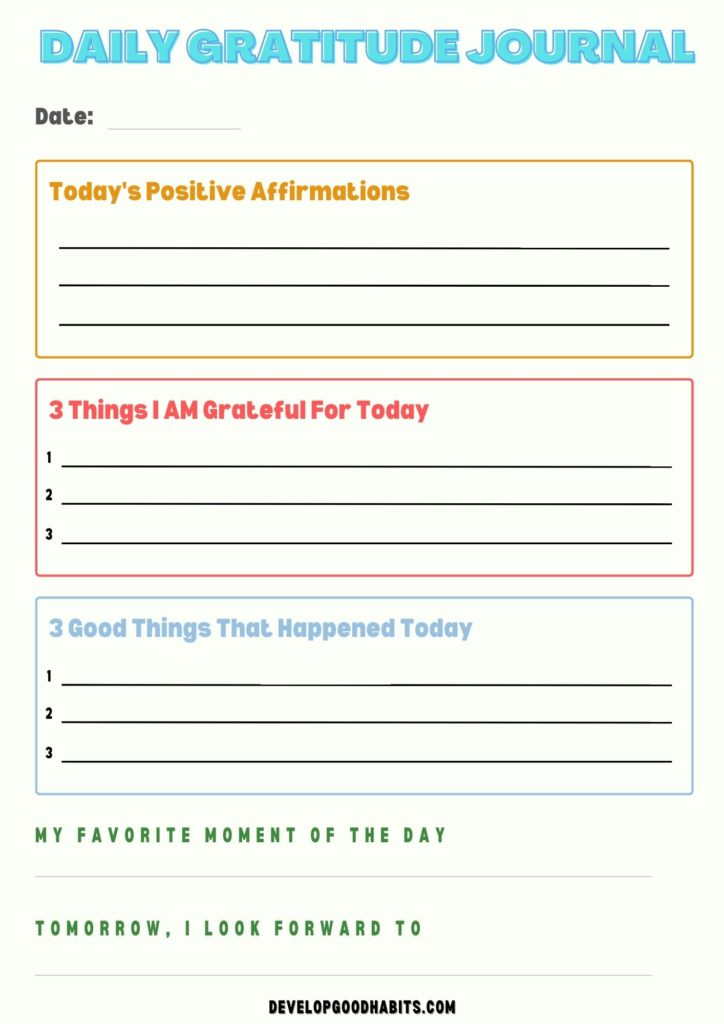
So would I recommend a tool like this in a real classroom? Yes, but with eyes open to fit and pace. It’s not a cure-all, yet it offered a graceful option during busy days and helped me build a tiny routine of gratitude. My takeaway is practical: choose a version that matches your lesson pace and your kids' hands, and revisit it with care, a printable gratitude journal in hand for families to hear about.