
That morning the printer sputtered and the hallway buzzed with reminders. I stared at a pile of hurried drafts and felt my patience thinning. Then I remembered a lifeline: educational printable writing activities that could anchor routines and give my kids clear, doable steps for the week ahead.
In those first minutes, I pulled together the materials I already liked: a simple writing checklist, a sentence starter, and a few short prompts. I decided to pair them with predictable days and a visual timer. The kids would know exactly what to do, where to turn when they finished, and what success would look like. It felt small, but it shifted the morning from chaos to a gentle, focused rhythm. That realization changed how I taught the week.
A practical backbone for planning
Morning stations started to feel less like sprinting and more like a song we were singing together. The printable pages gave each child a concrete destination: today we write, edit, then share two sentences; tomorrow we rotate prompts. I laminated a few task cards and tucked them into our writing caddy, so reuse was easy and the room kept moving even when I stepped to the rug for a quick conference. That rhythm gave me space to breathe.
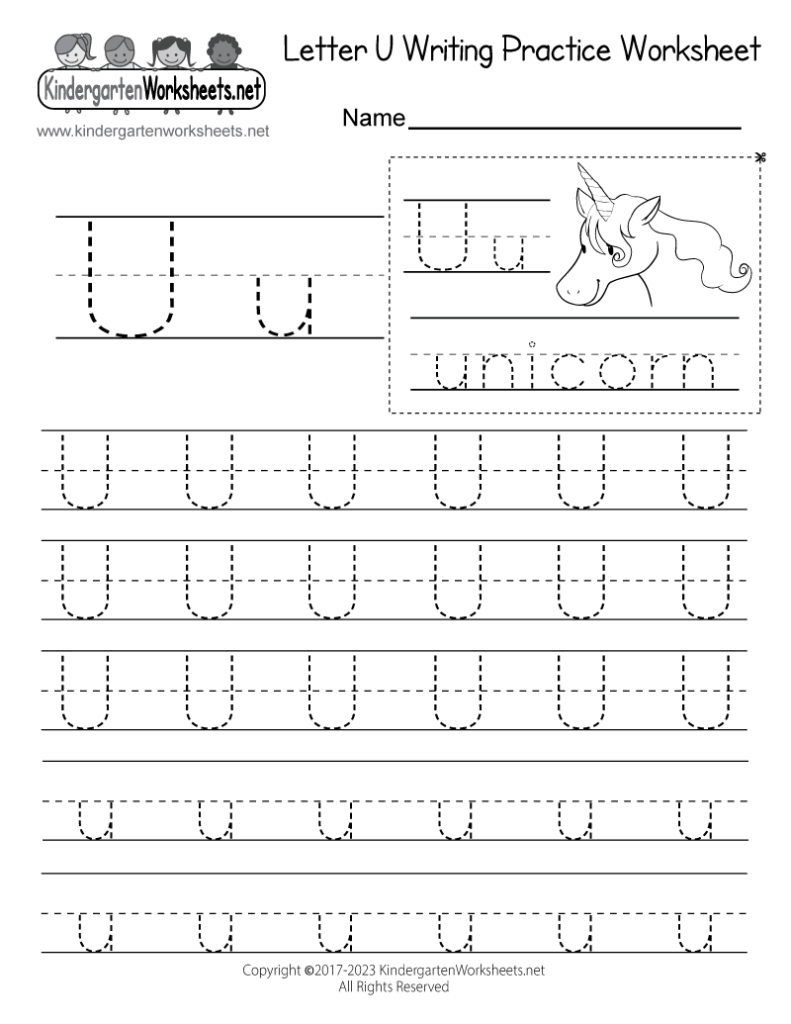
Of course, there are tradeoffs. Not every child loves printed pages, and some prompts felt too easy or too dense in the moment; I kept a back-up set of open-ended lines on a whiteboard for those who needed more room to breathe, and I rotated prompts so the same skill didn’t feel repetitive. That balance helped us move forward.
Flexibility inside structured, practical routines
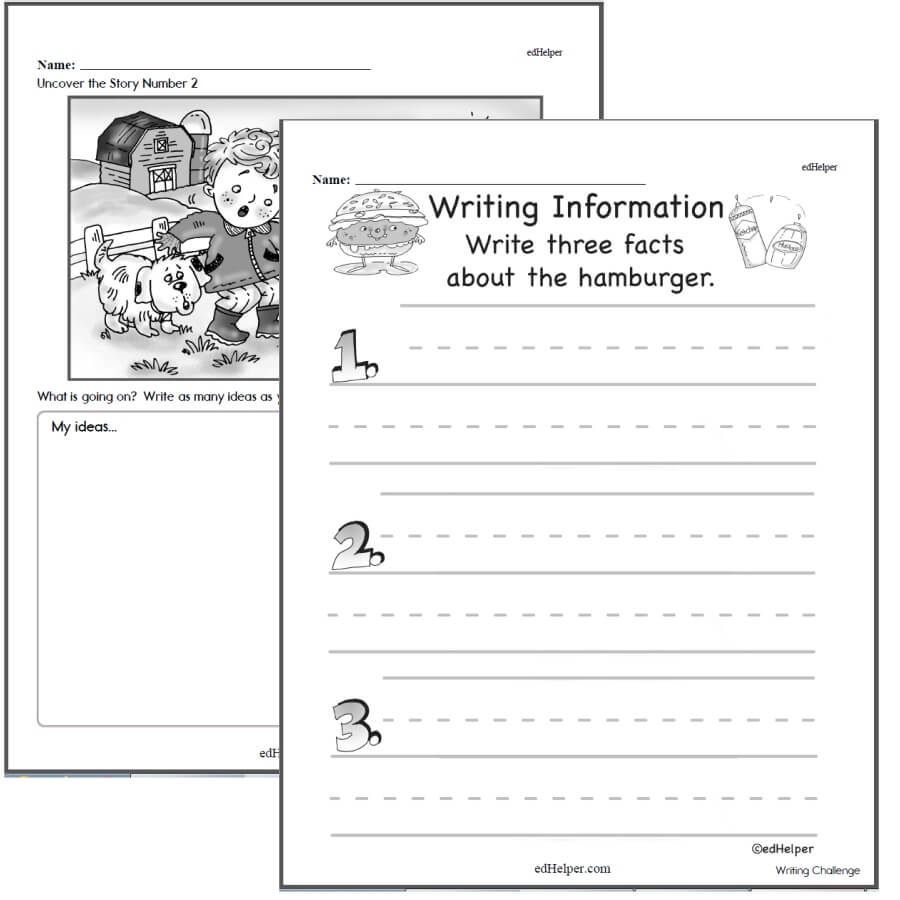
By week two, I built a simple weekly map: Monday short narrative, Tuesday descriptive sentence, Wednesday prompt-based mini-essay, Thursday quick reflection. I color-coded the printable pages and tucked them into a binder arranged by skill. The kids started predicting what came next and asked for more time to talk through ideas before writing. We could pace ourselves and still celebrate small wins.
I kept the class materials organized in a single rolling cart, with a labeled pocket for each phase: draft, edit, publish. A quick nightly check-in let me catch mismatches between what I planned and what the kids actually needed. When a storm knocked out our usual routine, I could pull a ready-made substitute from the shelf and still keep momentum. The color-coded system helped subs follow along too, even when substitutes rotated in.
Choosing the right fit for your class and pace
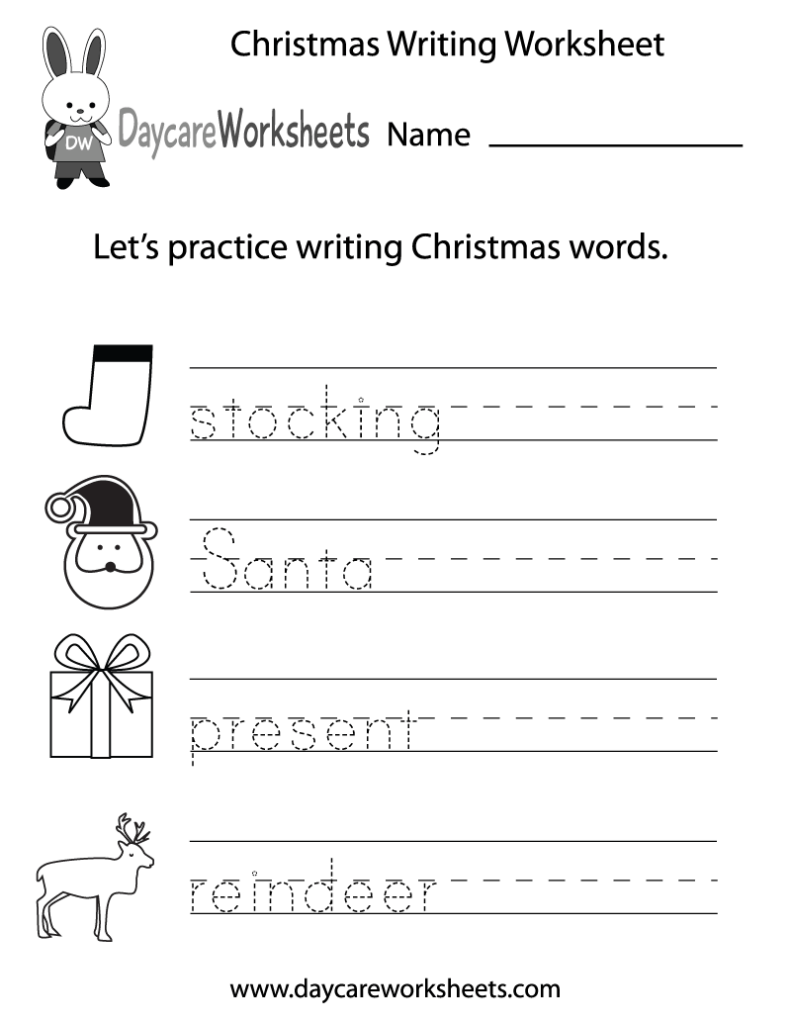
Looking around for options, I weighed a few different flavors of structure. Some packs offered strict templates, others left room for writing voices, and a few paired prompts with quick rubrics. I preferred versions that gave a clear start, a visible checklist, and room to revise. If you are short on time, a compact set with three to five prompts per week can be enough to keep kids engaged without burying you in copies.
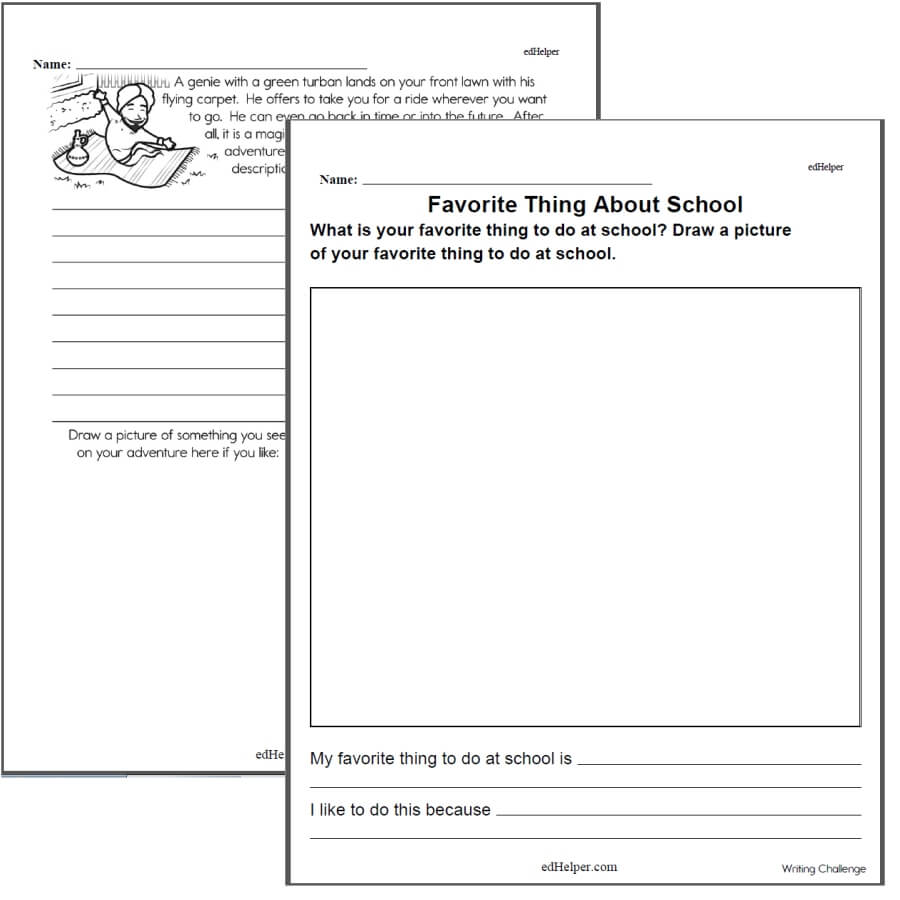
So what would I tell a fellow teacher wrestling through a Monday rush? Start small and anchor it with a reliable printable set, then adjust as you learn the pace. A quick weekly audit helps me catch stalls, protect a few minutes for talk, allow students time to revise, and note which prompts spark curiosity. For my class, the steady, well-timed educational printable writing activities remain a reliable hinge, offering structure without crushing creativity.