
Morning chaos hits: stacks of graded papers, a bell schedule confusion, and my coffee cooling on the desk. I grab a free printable weekly student planner and sigh, hoping something simple might carve out a little order before the day truly begins.
That tiny spark of order is what I chase before the kids arrive. The planner becomes a map for small tasks: prep stations, writing centers, and reminders for helpers. When the sequence is clear, my students move with less stop-and-start chaos, and I can circulate with a calmer voice rather than barking for attention. The rhythm spreads, and even my toughest mornings feel manageable, one framed block of time at a time. The checklist on glossy paper becomes a quiet promise to myself.
Finding the rhythm
I print a fresh copy on Sunday and keep it near my desk calendar. Each page helps me assign time blocks for math groups, reading rotations, and independent work. The weekly view nudges me to schedule quick check-ins with students who need a reminder or encouragement. If a lesson runs long, I jot a note for tomorrow instead of losing steam. That tiny act keeps momentum rolling through the afternoon.
Practical use
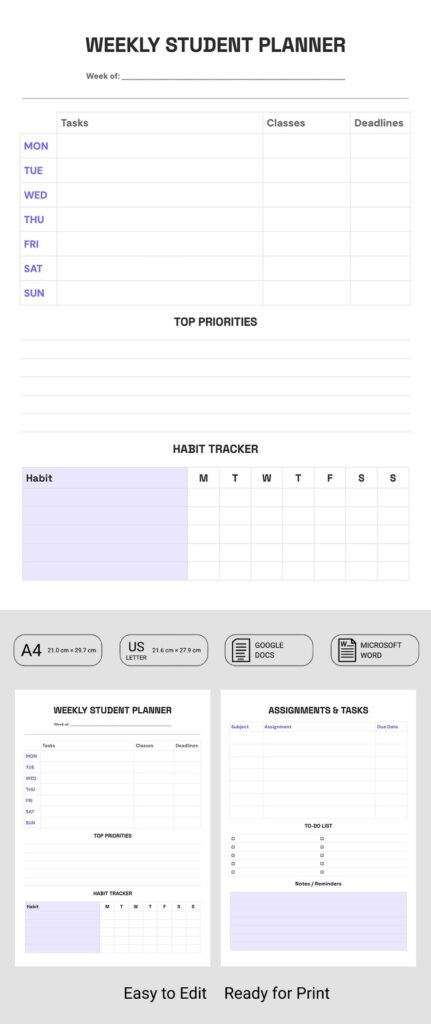
Of course, no printable is perfect for every day. Some days I need last-minute changes and the ability to erase and rewrite. The beauty is in the structure, not the rigidity. I usually tape the sheet to a clipboard and annotate with a pencil, so I can glide around the room without tearing the page. If a fire drill interrupts a block, I simply slide the plan forward and remind myself to reset after the break. On tough days, I keep a tiny backup list.
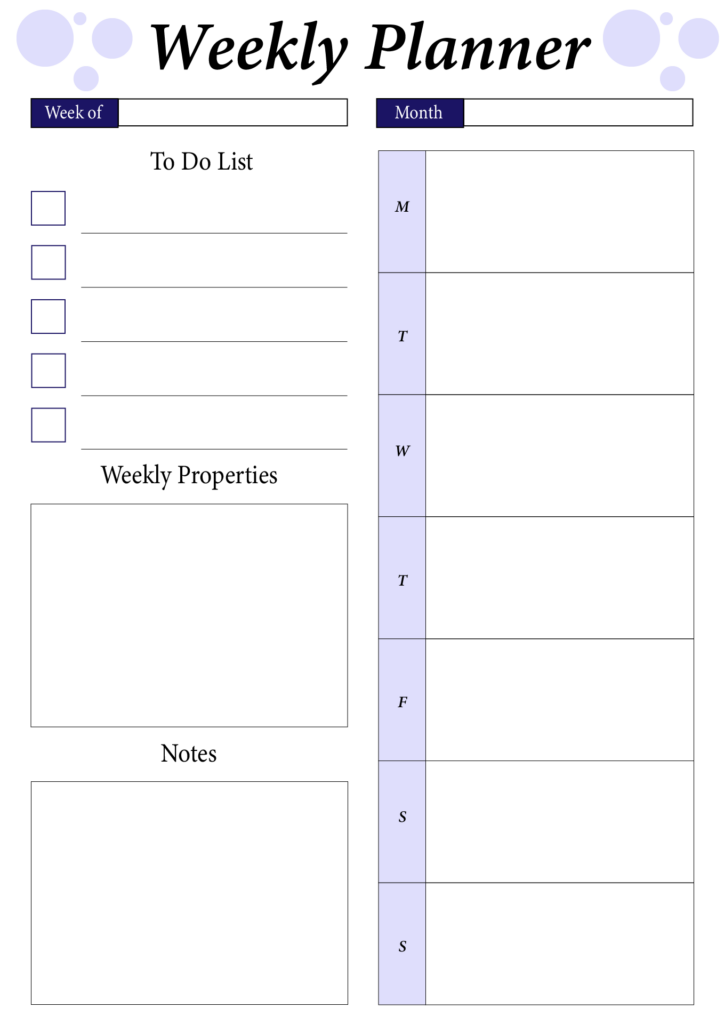
If I could tweak it, I would want a section for student roles and routines, and maybe a small space for weekly goals. I've learned to leave extra margin for notes and reserve a quick, end-of-day summary for the next morning. The habit of updating it daily is what helps it stay useful, and the simple act of circling a completed task builds a tiny sense of progress my kids notice. Sometimes they remind me to write praise in the margin which feels like teamwork too.
Useful comparisons
Compared with a digital calendar or a classroom app, a printable keeps a sense of place in the real room. I can blur the lines between planning and teaching, and my clipboard becomes a tangible anchor. Some colleagues love automated reminders and cloud access, while I value the tactile act of writing and scratching items off with a pencil. Lamination and color coding help me reuse the same sheet week after week without worrying about syncing devices. If a student needs a plan, I can hand them a copy and annotate.
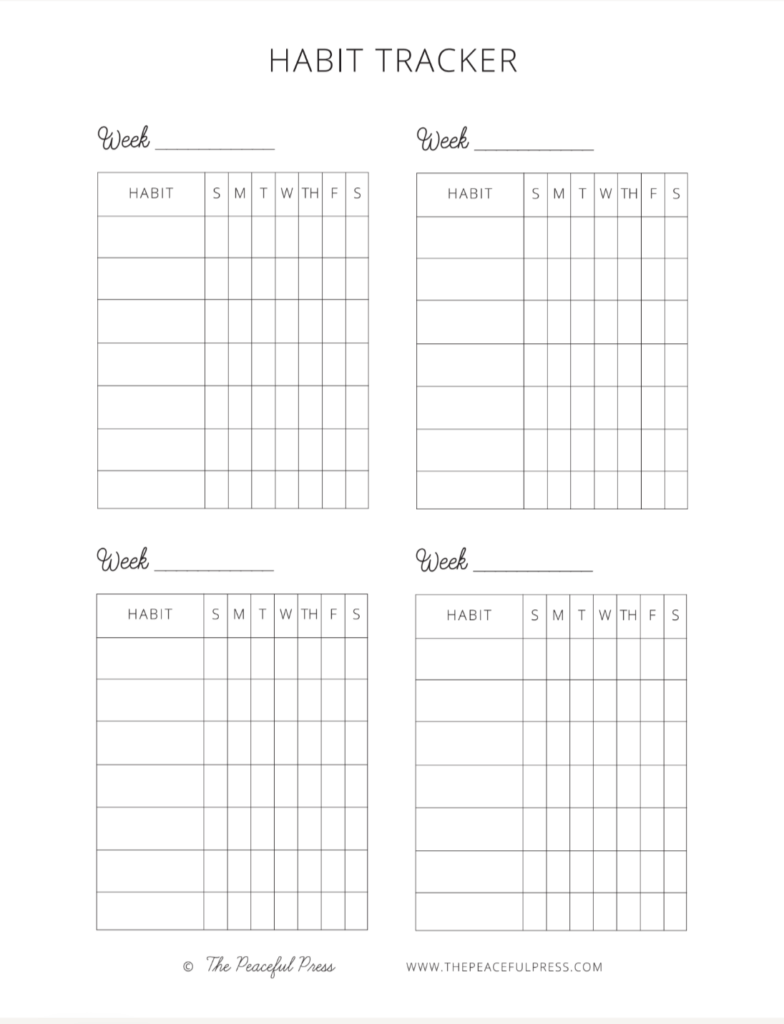
A quick reminder that no tool substitutes a good morning routine. My best days still hinge on a calm start, a consistent drop-off routine, and time built in for reflection with my team after lunch. The planner helps organize those pockets, but it doesn't replace clear expectations or good classroom management. It does, however, make those conversations and rehearsals a little more predictable, which reduces stress when the clock starts ticking. I still jot what I learn each day on a sticky note for tomorrow's plan.
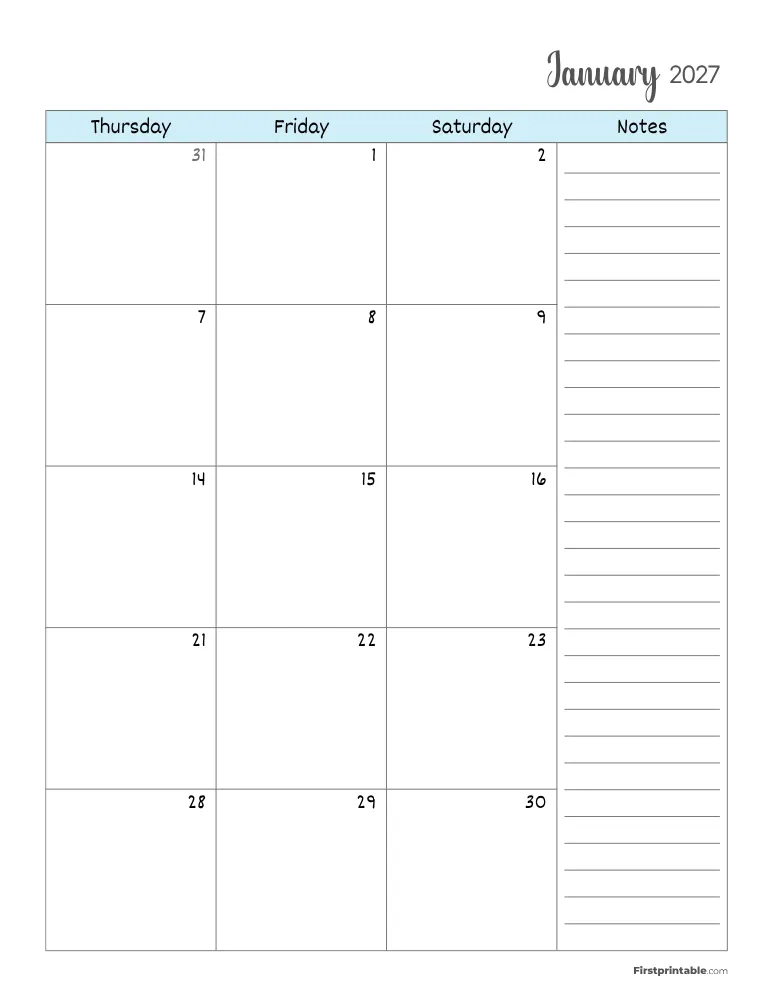
On Fridays I leave the classroom a little tidier, knowing I’ve built a small routine my kids can count on next week. The weekly workflow isn't magical, but it helps me breathe a bit easier and stay present for questions, celebrations, and the occasional sigh from a tired student. If you’re juggling schedules, a free printable weekly student planner could be a quiet, steady anchor to start with, one tired morning at a time, and one organized week at a time.