
On Mondays I lean into routine, and a small but reliable tool keeps me steady: printable mazes for preschoolers. They are simple, forgiving pathways that invite my kids to focus, move a finger along a line, and practice patience after a busy morning.
During a typical small-group period, I pull out a stack of maze sheets and pre-select a few that match each child's current language and motor goals. I print in soft color if we have the ink, but more often we keep copies black-and-white for ease. The activity becomes a quiet transition between gross-motor play and table work, a chance to celebrate small triumphs. Sometimes I jot brief notes on a clipboard so I can adjust next week's choices.
Planning and routines
To stay organized, I group sheets by goal and by difficulty, then bag a set for each kid. I laminate a few copies and attach them to a rotating board with Velcro, so aides can swap in moments of need without hunting for the next page. We keep a simple timetable: 5 minutes, then a signal for the next activity. We rotate the set weekly so no one grows tired of the same page for smoother transitions.
Adaptations for access
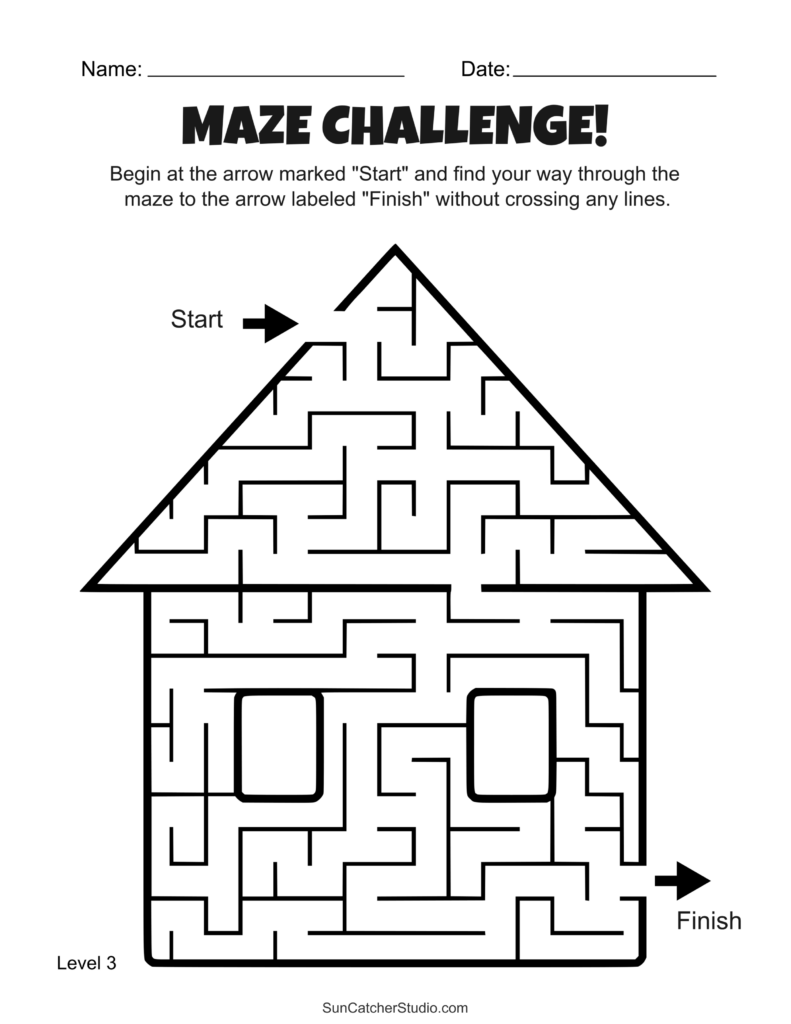
One honest limitation is that the maze goals don’t fit every child’s pace. A few kids race through, others lose interest if the path becomes too narrow. I adjust by offering two levels on the same sheet and by prepping a sensory-friendly option with a thicker line and larger spaces. Laminating helps with durability, but it adds prep time. That extra step sometimes means a page is not ready first thing in the morning, for independence.
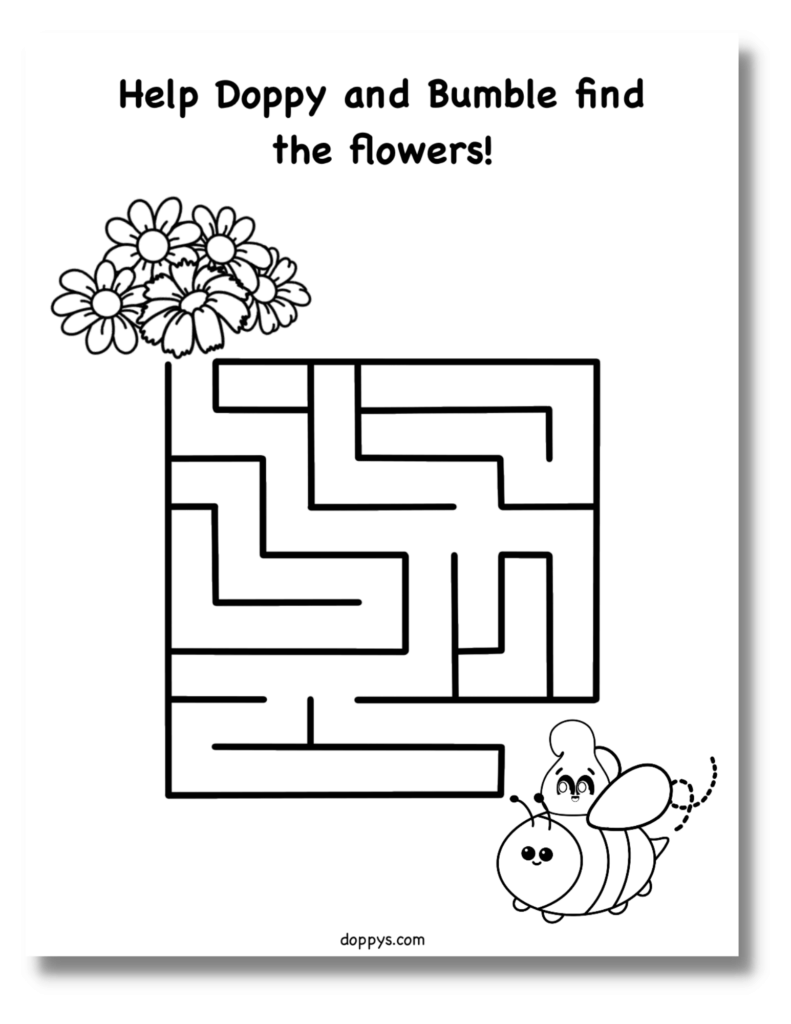
At nap-time or during a calm center, we weave in a quick maze rotation: I show a couple of options, the kids pick one, and we track progress on a simple chart. The chart rewards effort rather than speed, so even a small success feels meaningful. By keeping the routine predictable, I avoid power struggles over tasks. If a child shows interest in a different route, we print a second option and try it next session.
Practical tips
Share a quick note with families about how you’ll use the pages, what skills it targets, and how to encourage pencil control at home. We keep a small supply bin with dry-erase markers, pencils, and erasers so kids can practice tracing without needing a full worksheet every day. It helps to remind parents that progress isn't linear. In our team meetings, we share tweaks that helped particular learners, including ways to support attention and eye-hand coordination.
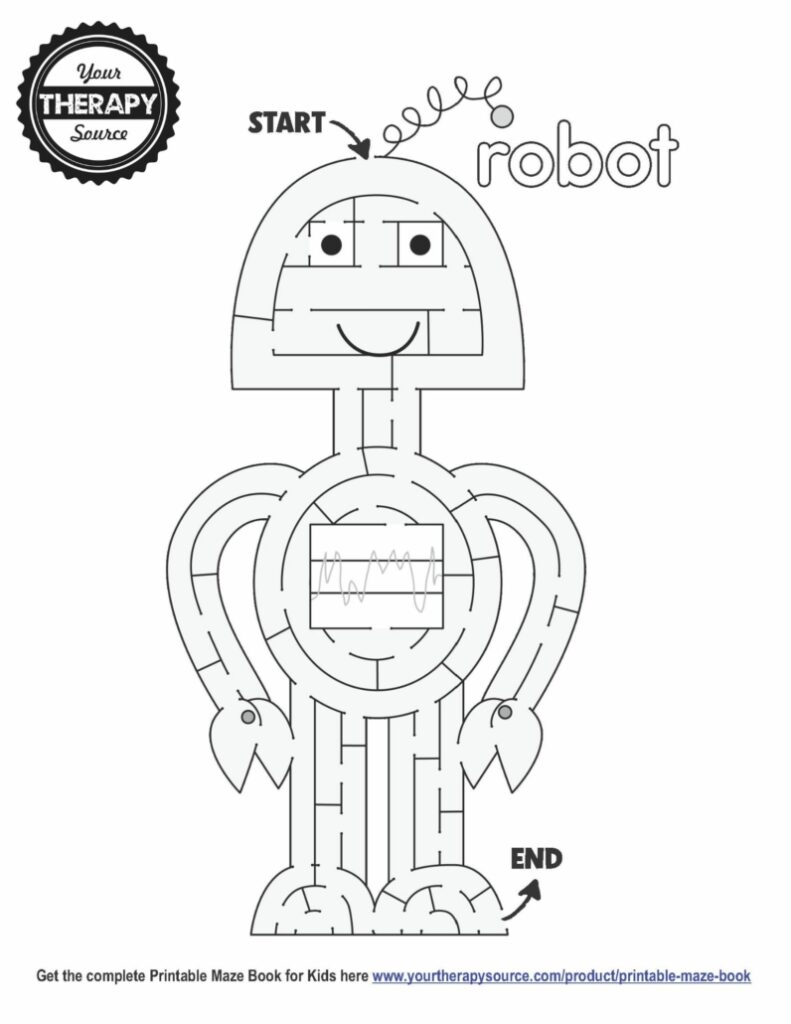
My quick-start plan for teachers: choose two or three sheets per week, print in advance, laminate, and store in a labeled tote. Build a simple routine around a consistent ending cue so students know it's time to switch activities. With a little planning, the maze work becomes another reliable dot in our daily map. If a page feels too tight, I duplicate the lines with wider gaps and let students trace with finger first.
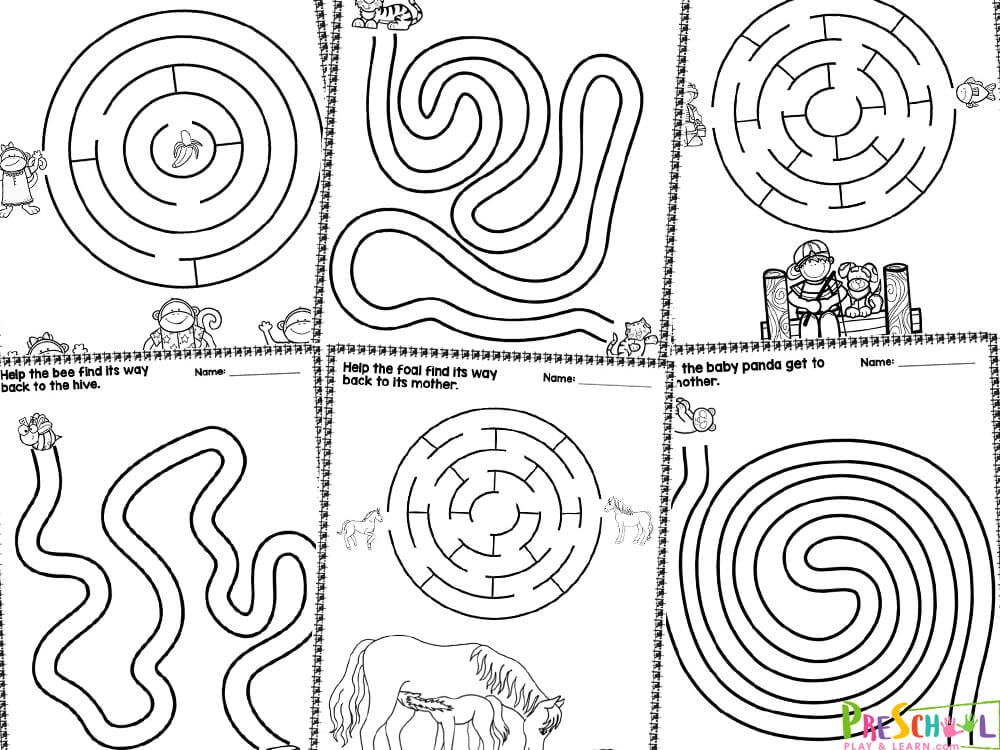
As I look ahead, the value isn't the maze itself but the rhythm it creates: predictable steps, calm transitions, and a sense of mastery for each child. I keep my copy box organized, label folders clearly, and build in fallback options when a page seems too hard or too easy. I rely on printable mazes for preschoolers as a steady anchor in our routines. That steady plan helps us avoid overwhelming mornings and keep my kids moving toward independent tasks.