
This morning I spilled coffee on my plan book, and the clutter in my classroom seemed to loom louder than the kids. Frustration hit when the literacy centers looked chaotic on the whiteboard. Then I remembered printable alphabet templates, and relief started to creep in.
In planning time I fight for clarity, not chaos. The templates let me standardize letter formation across centers so I can print once, laminate, and reuse. My team and I don't reinvent the wheel every week; we reassemble a few sturdy options that align with our small-group goals. The kids know what to do, and I'm not scrambling to create last-minute handouts. The templates helped me present a simple path forward.
A practical planning tool
Using the templates also reshaped my daily routine. I slot a printable set into a binder page for each week and tape a few examples by the door as a quick reference. During warm-ups, students trace outlines, while I pull a few kids for targeted support. The templates' consistent format helps me track progress without hunting for a new resource every Friday. It isn't magic, but it does feel like a small win.
Format options
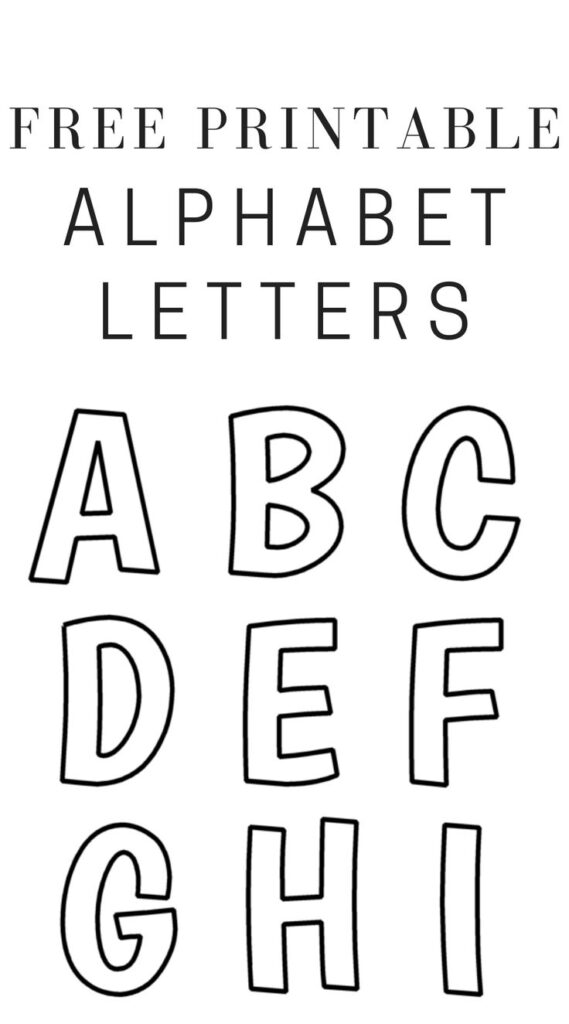
Two paths have worked well in my room: printable PDFs that stay the same from year to year and editable templates that I tailor for a unit. The PDFs stay sharp in color and are quick to print in large batches; the editable kind gives me a chance to tweak letter shapes, stroke order, or spacing for our struggling readers. The tradeoffs are real: the more flexible the file, the more time I spend adjusting it.
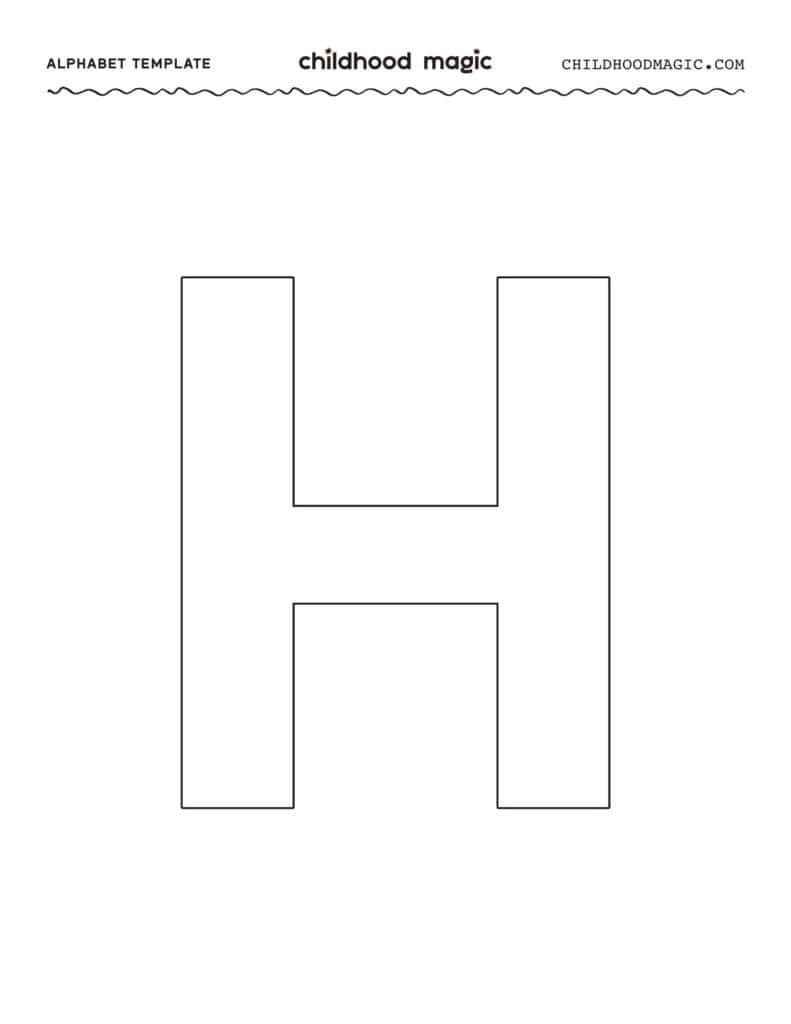
Between color-coded sets and plain black-and-white options, I balance speed with accessibility. I keep a small rotation of templates at each station, so students always know what to expect, from letter formation to sounds practice. Laminated copies let us reuse without waste, and digital copies sit on a shared drive for substitutes. My kids appreciate predictable routines, and I appreciate not reinventing materials every week.
Implementation tips
Reality is messier than a plan. My best tip is to start with a small batch, test at one station, and gather quick feedback from a few students and aides. I've learned to print in grayscale when the color coding isn't essential and to laminate only the most used pages. Also, I keep a 'what to tweak' checklist so I don't forget adjustments when numbers change or curricula shift.
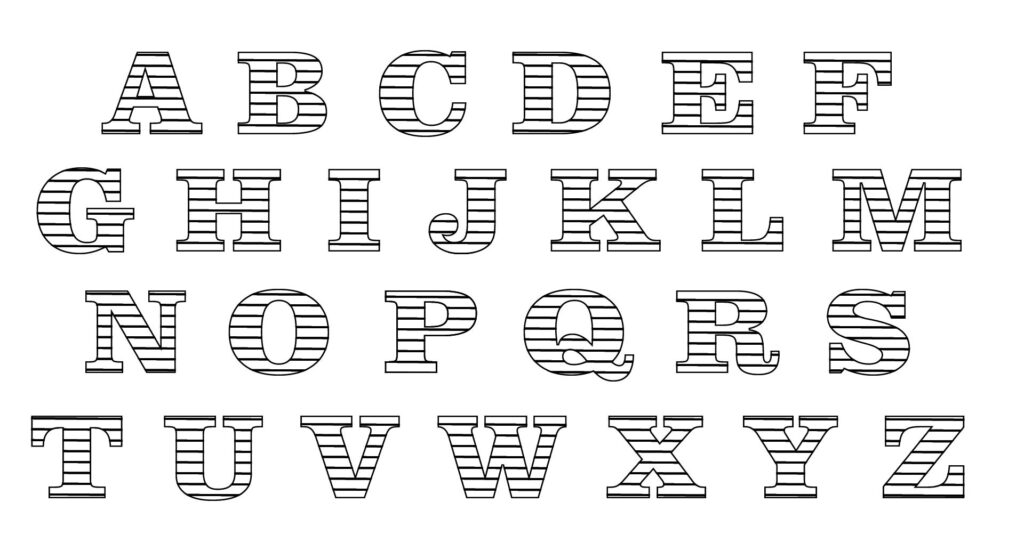
Maintenance becomes a habit when I schedule a quick weekly print-and-laminate session with my aide after dismissal. We batch the most-used charts, print in the order of our centers, and stash pages in labeled folders by color. Substitutes can pick up where we left off, which reduces downtime and keeps routines intact. The cost is time up front, but the payoff is fewer last-minute rushes and more predictable transitions, especially during the rainy-day adjustments we often face.
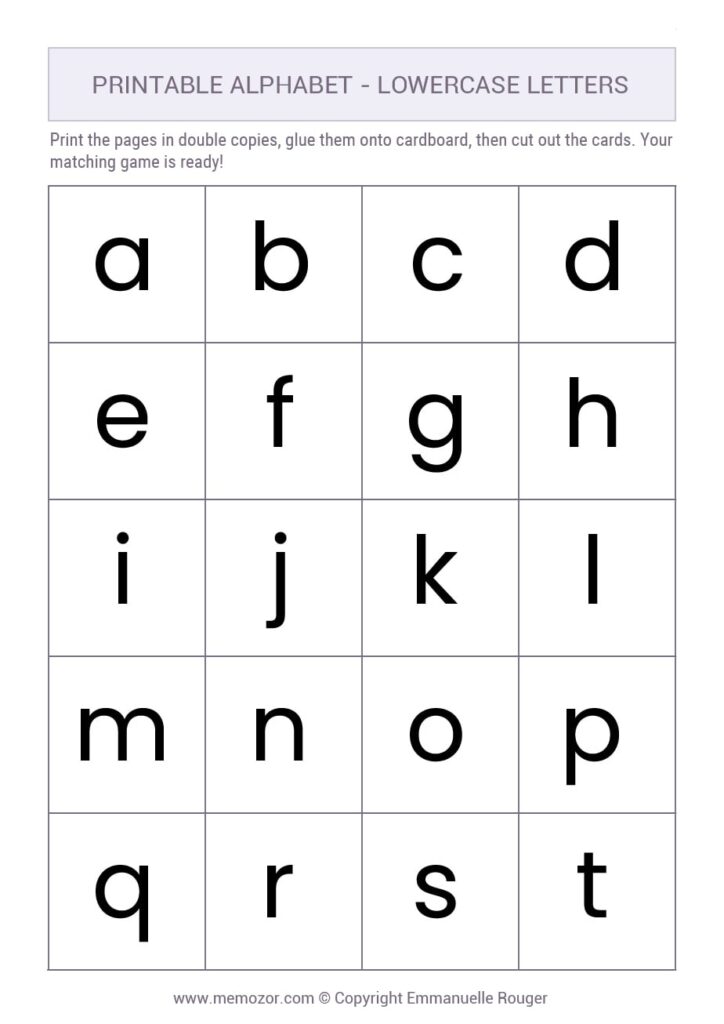
After a month of following this rhythm, planning feels less like a sprint and more like a steady, workable routine. Batch printing, clear labeling, and ready-to-use sheets shave minutes from transitions and give my team a shared language for what comes next. If you're chasing calm in your planning, start small, one station, one folder, one week, and scale up as you and your students grow. printable alphabet templates can anchor both lessons and routines.