
As an architecture mentor, I remind students that even a simple grid can shape precise designs. The right surface keeps lines honest and coordinates aligned, turning sketches into measurable plans. line graph paper helps translate ideas into scalable coordinates and reliable layouts that survive review.
Begin with the underlying grid that fits your project. A common mistake is using a grid that is too fine for early ideas, so start with square grids at 1/4 inch spacing. For precision, switch to coordinate grids or adjust the scale as the plan develops. Printable grids help off-site work, and always leave margins for notes and revisions.
Grid options
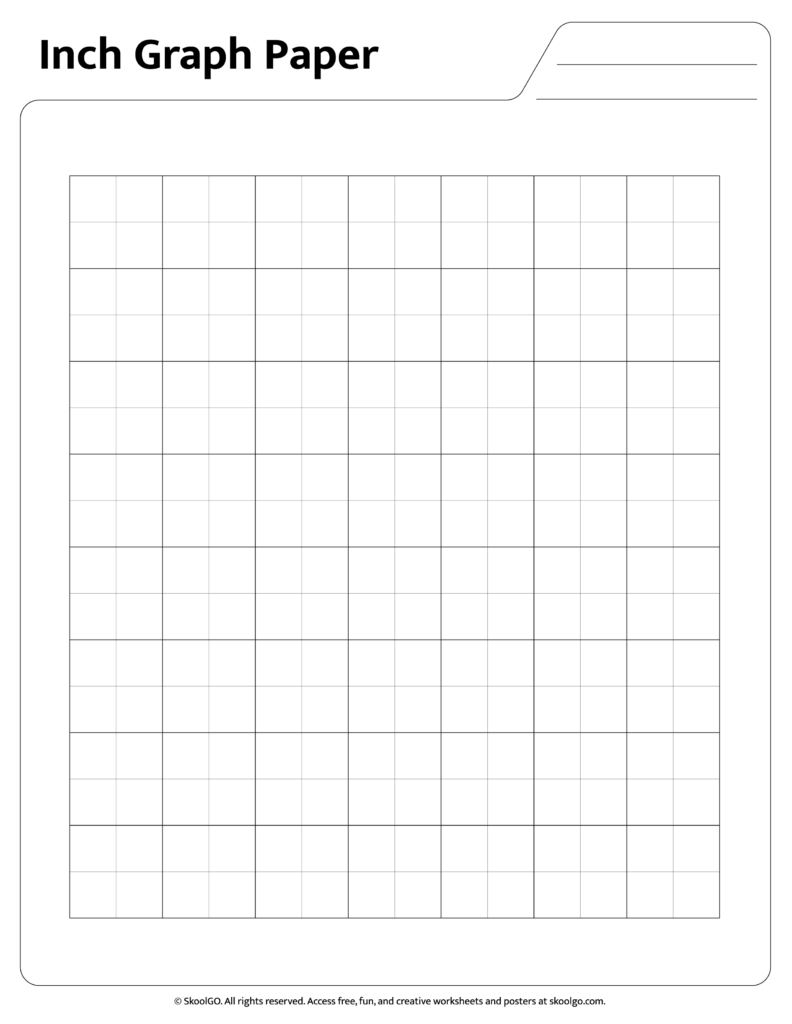
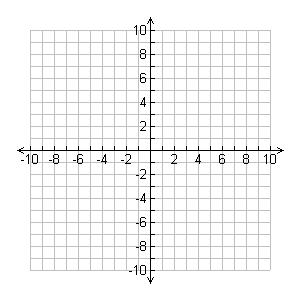
Common mistakes include picking grid spacing that is too fine for large plans or forgetting margins for notes. For interior layouts, 1/8 inch squares offer fine detail, but can overwhelm a room; 1/4 inch squares balance detail and legibility. Coordinate grids help map real coordinates, while margins keep titles and revisions legible.
Try a practical example: draft a small living room on a 1/4 inch grid at a common architectural scale, such as 1/4 inch = 1 foot. Start with exterior walls, then place doors and windows using simple coordinates. Label each element and keep a consistent margin for a title block. This exercise builds comfort translating ideas into measurable lines.
Printing and scaling
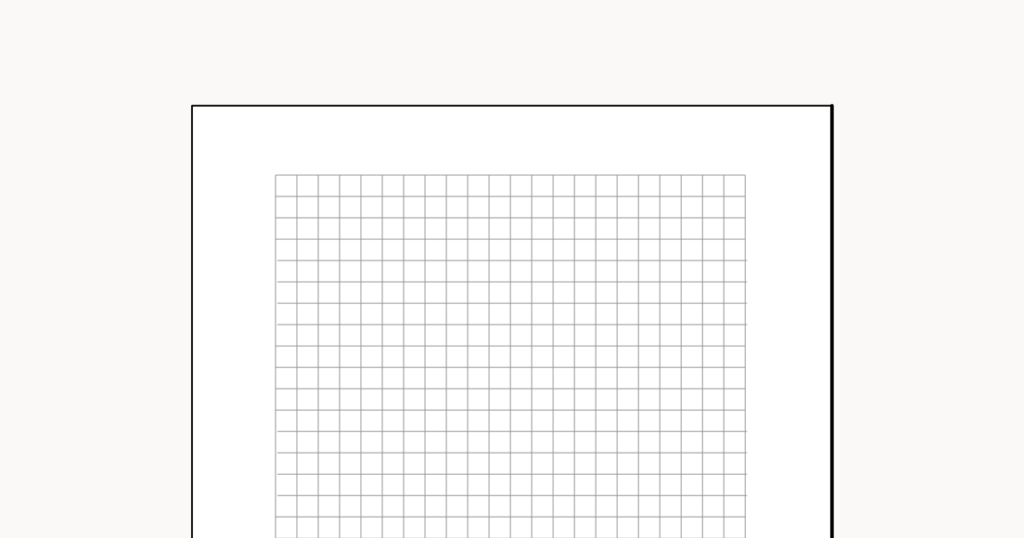
Match grid size to your paper and project scope. For typical office planning, letter or A4 sheets work well with a 1/4 inch grid; for larger concept sketches, switch to tabloid or A3 and adjust the scale accordingly. Decide orientation early: landscape often fits longer walls and corridors, while portrait can be better for tall elevations.
Before you print, verify scale and margins. If your printer or browser settings alter sizing, print a test page at 100% and compare a measured sample with a ruler. Ensure your grid spacing remains consistent; even small shifts will throw off line lengths. Use a stable paper size and align the page to the printer's center to reduce trimming.
FAQ: How do I choose grid size? Start with a balance that fits your typical room, then test print. FAQ: What about paper size? Letter or A4 is convenient for drafts; larger sheets support full layouts. FAQ: How should I orient the page? Landscape suits long walls, portrait works for elevations. FAQ: How can I ensure accuracy? Check critical distances with a ruler and re-check scale before finalizing.