
As an architecture mentor, I remind students that the right tools shape how we envision space. Graph paper is a quiet ally for quick sketches and early layouts. When you need a reliable base, you can download graph paper and print grids at home or in the studio.
Choosing the right grid paper starts with understanding your project scale. Common errors include using too small a grid for large plans or forgetting margins that keep your drawing within printable boundaries. For beginners, start with a standard square grid and a comfortable margin. This approach reduces misalignment when you translate ideas to CAD.
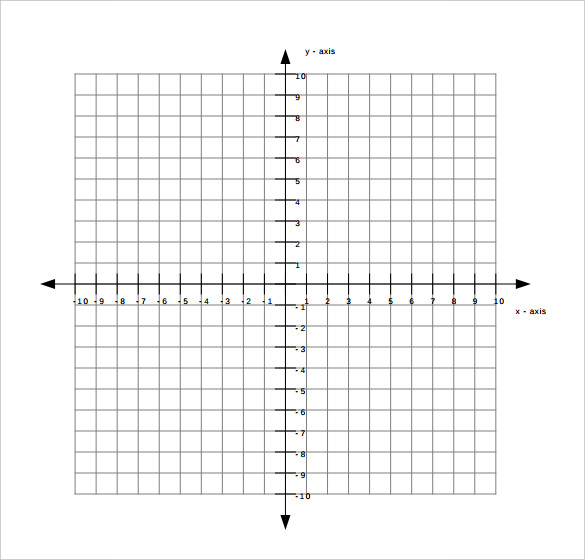
Understanding grid paper variations helps you pick the right tool for a task. A coordinate grid with square grids simplifies proportional drawing, while a coarse grid reduces clutter on rough sketches. The tradeoff is accuracy versus speed: finer grid spacing gives more detail but slows the hand drafting. Keep a few options handy and switch as your idea matures.
Grid size decisions
Practical advice for grid size begins with your paper and scale. For architectural sketching, a 1/4 inch 6 mm square grid on letter-size paper is a comfortable balance between legibility and speed. If you need tighter detail, switch to 1/8 inch squares. Always test a small print to confirm the feel before committing a full sheet.
Paper size and orientation
Mistake: printing or scanning without adjusting scale leads to incorrect measurements. Solution: set the print scale to 100% and check margins. When working on A4 or letter, verify that the grid squares stay equal after print. If needed, print a test strip and measure a few squares with a ruler to ensure true square geometry.
Printing tips
FAQ: What grid size should beginners use? Answer: start with 1/4 inch squares on letter-size paper for general layouts, then adapt if you need more precision. Is paper size important? Answer: yes—matching letter or A4 to your printer prevents unwanted trimming and ensures consistent margins across pages for the project to print cleanly.
FAQ: How do I verify accuracy after printing? Answer: print at 100% scale, then measure a few grid squares with a ruler to ensure they match the intended spacing. Should I rotate orientation for layouts? Answer: landscape often works for plans, portrait for elevations or sections, and both can help with different viewing angles.
Conclusion: The practical takeaway is to start simple, test your print, and learn by doing. A reliable grid paper setup helps you translate ideas into proportion and rhythm, with printable grids that fit your workflow. Keep a small kit of paper sizes, grid spacings, and orientation options handy, and you’ll move from rough sketches to thoughtful diagrams with confidence.