
As a physics teacher, I value tools that turn messy data into clear visuals. Graph paper and grid paper help students map motion, plot experiments, and compare results with consistent scale. In my classroom, the right sheet keeps ideas honest and diagrams legible.
In practice, I remind students that the tool shapes the outcome. When we ask what is graph paper, we are really asking how evenly spaced squares support accurate plotting, clean axes, and repeatable measurements for experiments. The answer lies in the grid paper geometry: square grids, coordinate grids, and a predictable margin.
Planning with grid paper
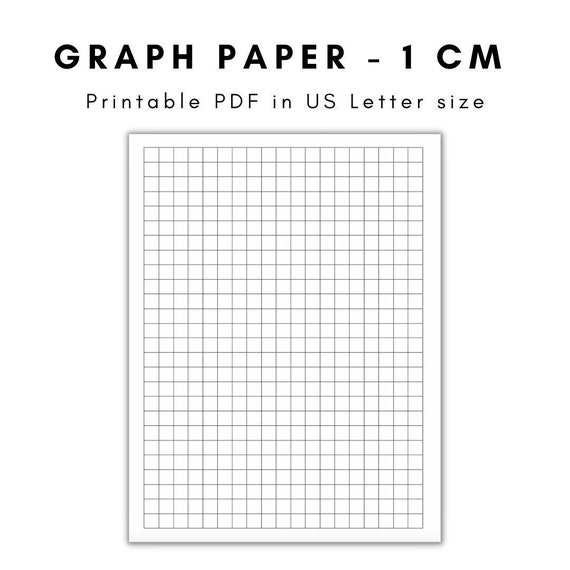
As we plan a unit, I teach students to sketch the layout first. Decide the grid spacing, then set margins and axes. Choose paper size to fit the activity, plan the scale so that units line up with data, and note whether you want printable grids or a prepared sheet at full size. This upfront planning saves redraws later.
Next, choose a grid size that matches the task. A 1/4 inch (6 mm) square is common in U.S. classrooms for graphs, while scientists often prefer 5 mm squares for compact plots. Larger grids are forgiving for beginners but waste space; smaller grids fit detailed data but require careful measurement and patience.
Sketching workflow
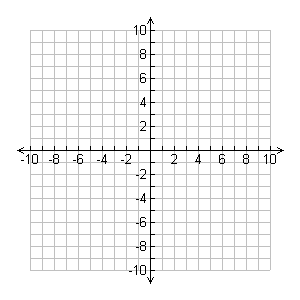
In a projectile motion lab, we start by drawing coordinate axes with labeled units on the grid. Students plot key points from measurements, then sketch vectors to represent velocity and acceleration. We use margins to leave space for a legend and a quick note about scale. The act of planning on paper builds a mental map before any experiment begins.
FAQ: Q1 How do I choose grid size for a data table? A: Match it to the smallest unit you will measure to keep numbers legible. Q2 How can I ensure accuracy when printing? A: Check margins, print a test page, and compare a known distance with a ruler. Q3 Should I use landscape or portrait? A: Landscape works better for wide graphs; portrait for tall charts. Q4 How should I handle margins? A: Leave uniform margins to fit labels.
Conclusion: The right grid paper makes physics tasks clearer, from plotting trajectories to sketching diagrams of circuits. Plan by choosing grid spacing, margins, and paper size, then set an appropriate scale. When printing or viewing online, check that measurements align with real units. With a deliberate workflow, grid paper becomes a reliable partner in any experiment or classroom demonstration.