
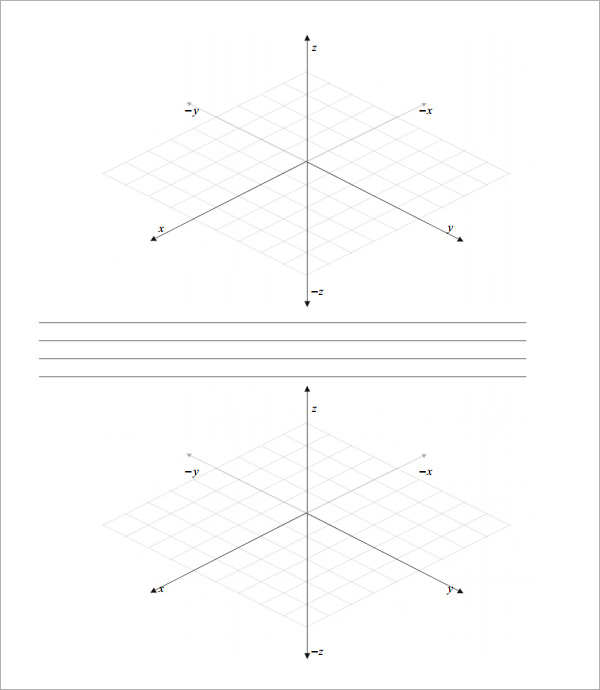
As a practical math teacher, I rely on grids that stay faithful to measurements and scale. Students benefit from clear alignment, predictable margins, and reliable printing. When planning activities, I explain how paper size, grid spacing, and orientation affect accuracy, especially with 3d graph paper in demonstrations.
Grid paper is a tool that only works if the scale and margins are consistent from page to page. I explain to students that the grid spacing must stay the same when they print, or plots and coordinates will drift. We test by drawing a simple 10-by-10 square and checking that each side measures the intended length. Familiarity with graph paper helps learners transform ideas into precise sketches.
Grid basics
Choosing grid size means balancing detail with readability. Common options include 1 cm square grids and 5 mm grids; finer 2 mm squares work for precise plotting. For beginners, larger squares help count units, while smaller ones support precise measurements. If you plan to sketch 3D forms on paper, pick a grid that offers enough resolution without crowding the page.
Margins matter as soon as you print. Leave at least a quarter-inch around the grid to keep numbers, labels, and axis arrows from getting trimmed. If you use legal or A4 paper, confirm the printable area in your printer settings and avoid scaling that shaves the edges. A consistent orientation (portrait or landscape) helps students compare sketches side by side.

Printing settings
Printing scale is the most practical way to keep measurement grids honest. Always choose actual size or 100% in your browser and printer dialogs, and avoid fit to page unless you compensate for margins. Do a quick calibration by printing a small test card with a known length and measuring it with a ruler before handing worksheets to students.

FAQ: Q1 What grid size is best for beginners? A1 Start with 1 cm squares for clear counting. FAQ: Q2 Should I print at 100% scale? A2 Yes, to preserve accuracy. FAQ: Q3 How do I choose margins? A3 Leave at least 6 mm around the grid. FAQ: Q4 How can I verify accuracy quickly? A4 Print a test card with a known length and measure.
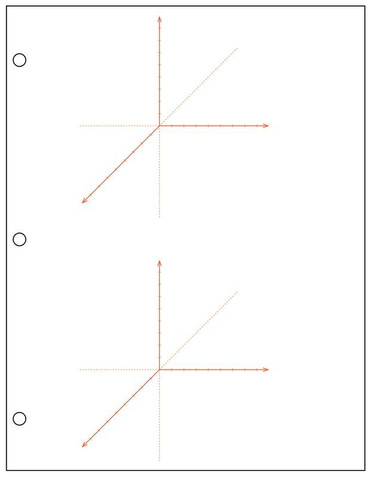
By paying attention to grid size, margins, paper size, and printing scale, you turn printable grids into reliable teaching tools. Always test before class, keep a consistent orientation, and document your settings so students can reproduce accurate sketches. The result is clearer plots, fewer measurement errors, and more time for math talking rather than remaking worksheets.