
As a geometry instructor, I rely on clear grids to explain shapes, coordinates, and transformations. A well-chosen sheet of graph paper keeps equations aligned and ideas visible, whether drafting constructions or checking proofs. Here we explore practical uses of print graph paper 1cm.
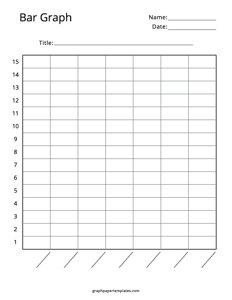
Graph paper comes in several formats, but a 1 centimeter grid offers a reliable balance between detail and readability for beginning geometry work. When the lines are spaced 1 cm apart, you can plot coordinates, draw accurate triangles, and measure slopes without crowding the page. For beginners, print graph paper 1cm can help ensure consistent spacing while you practice.
Choosing grid sizes
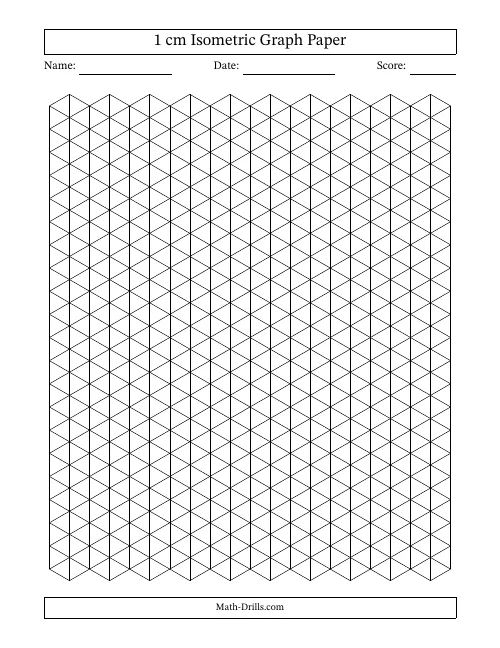
Grid spacing, also called grid paper spacing or square grid size, determines how precisely you can mark coordinates and construct shapes. A 1 cm grid keeps lines from feeling crowded, making it easier to label points and draw perpendiculars. If you switch to a finer 0.5 cm grid, you gain precision for small measurements but risk clutter in dense drawings.
Printing and setup
Paper size and orientation matter when you print grids. A typical letter or A4 page gives enough margin for notes while keeping the grid readable. Portrait orientation works for single-column notes, while landscape better suits wider diagrams or multiple graphs side by side. Check margins in the print dialog and ensure you’re not clipping edges of the grid.
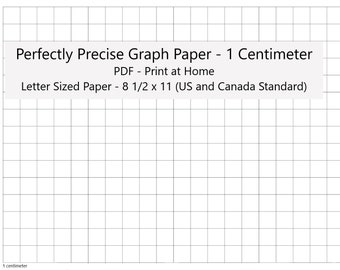
To preserve scale, set the print scale to 100% in the browser or printer settings and avoid fit-to-page options unless you adjust margins. If the page prints slightly oversized or undersized, use a ruler to verify 1 cm squares after printing and adjust accordingly. Printing from a PDF can help you keep consistent dimensions.
FAQ
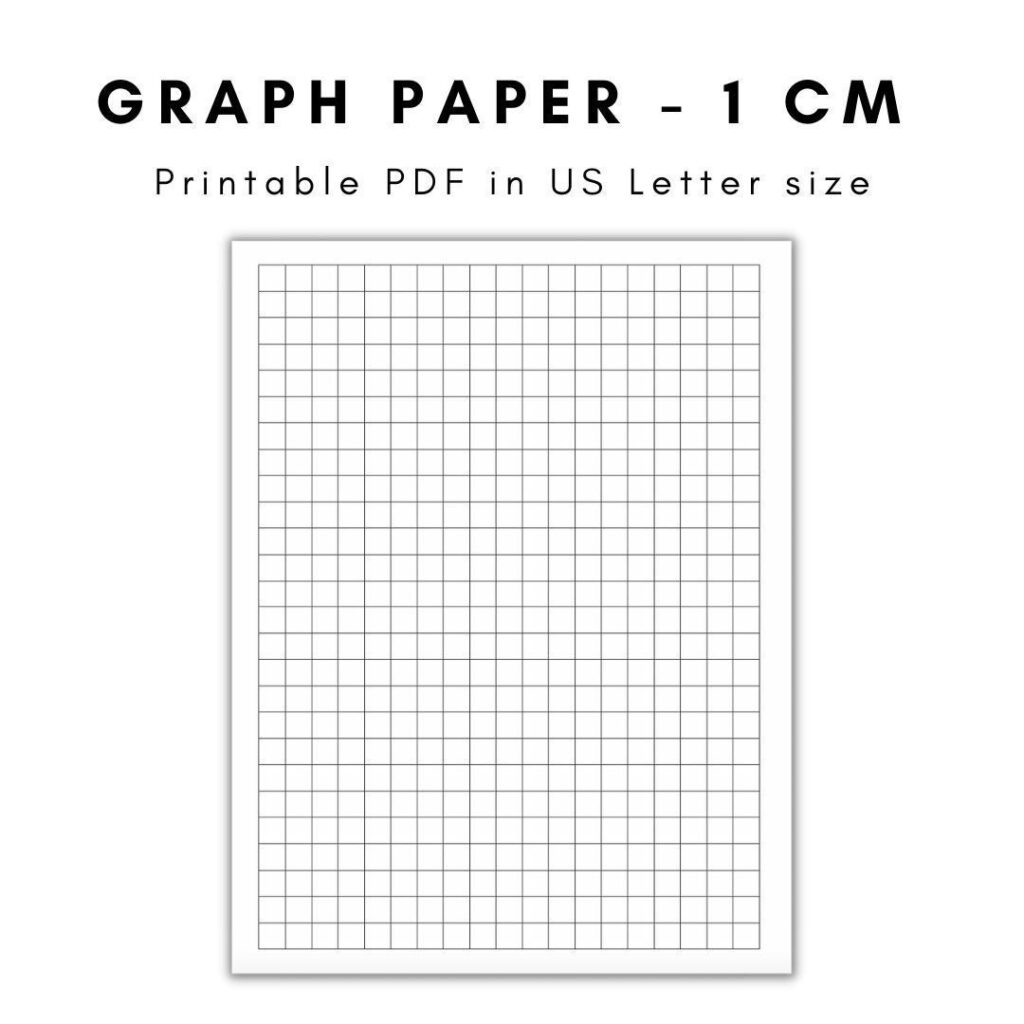
FAQ: How do I choose grid size for geometry lessons? Start with 1 cm and adjust if your students need more room for labels or smaller measurements. Can I use plain paper? It’s possible but less forgiving; grid paper helps. Should I print at 100% scale? Yes, to maintain accuracy. Is orientation important? Yes, align with your task to keep geometry intuitive.
In practice, choose a grid size and paper orientation that fit the task, then verify dimensions after printing. Use margins, standard paper sizes, and 100% scale to keep measurements honest. When coordinating grids across activities, consider reusable printable grids and a simple checklist to confirm alignment before starting, saving time and reducing errors.