
From the art room to your home studio, grid paper helps students map composition, measure proportions, and plan shading. A reliable, well-aligned surface keeps lines clean and ideas clear, making the start of every project less intimidating.
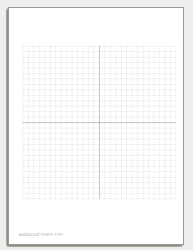
Art Class Grid Paper GuideAs a teacher, I pair practical drawing exercises with accessible resources. Look for a free graph paper sample that you can print and test in class. Students notice how the grid guides placement, and it reduces guesswork during thumbnail sketches. Consistent scale in demonstrations saves time and creates clearer feedback.
Grid Paper Basics
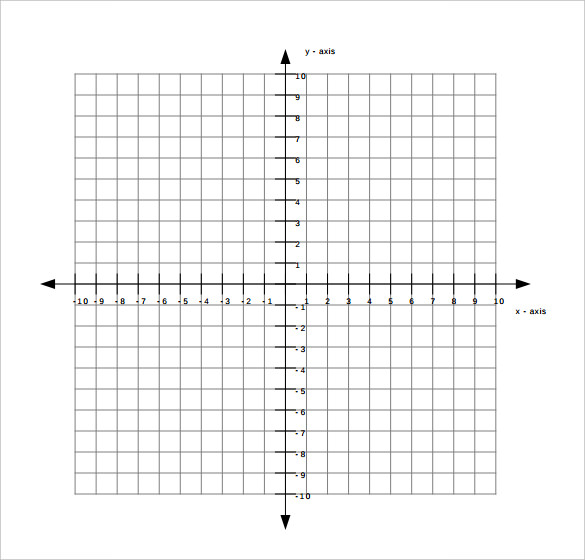
Grid types and layoutGraph paper, grid paper, and coordinate grids serve different aims in art class. A simple square grid helps with proportion, while coordinate grids aid perspective practice. For beginners, start with a 1/4 inch square grid and adjust margins so the drawing area fits the paper size. Consider grid spacing, margins, and paper size to prevent crowding on the page.
Practical examples show how grids support planning. Have students sketch a still life using a 1/4 inch grid, then transfer the layout to paper with the grid as a guide. For figure studies, place key landmarks on a coordinate grid and test perspective with simple shapes. These steps build confidence before shading or color work.
Printing and Setup
Practical setup and accuracyWhen printing, choose a common paper size such as letter or A4 and decide orientation based on the project. Select a grid spacing that matches your subject: smaller for detail, larger for quick sketches. Check browser and printer settings, and measure a sample with a ruler to confirm accuracy.
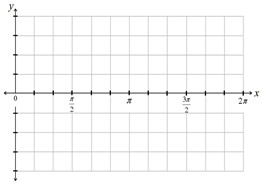
Comparison: printable grids versus traditional graph paper. Printable grids let you duplicate layouts across students, while physical graph paper provides a tactile surface that helps beginners feel the scale. If you teach learners with varied needs, offer both options and explain how each affects line weight, erasing, and shading. Consider margins and bleed when printing or cutting sheets.
FAQQ1: What grid size should I start with? A1: 1/4 inch squares fit most beginner projects; Q2: How do I ensure printing accuracy? A2: Print a test square and adjust scale if needed; Q3: Can I reuse graph paper later? A3: Yes, with light pencils and careful erasing; Q4: Landscape or portrait— which is better? A4: Choose orientation to suit your composition, then test, and remember that practice and consistent measurement help every project.