Halloween coloring pages offer a gentle bridge between art, story, and early literacy. As an experienced preschool teacher, I value pages that invite confident coloring while encouraging observation, vocabulary, and listening skills. This article guides selecting printable sheets that balance imagination with literacy goals for home, classroom, and library activities.
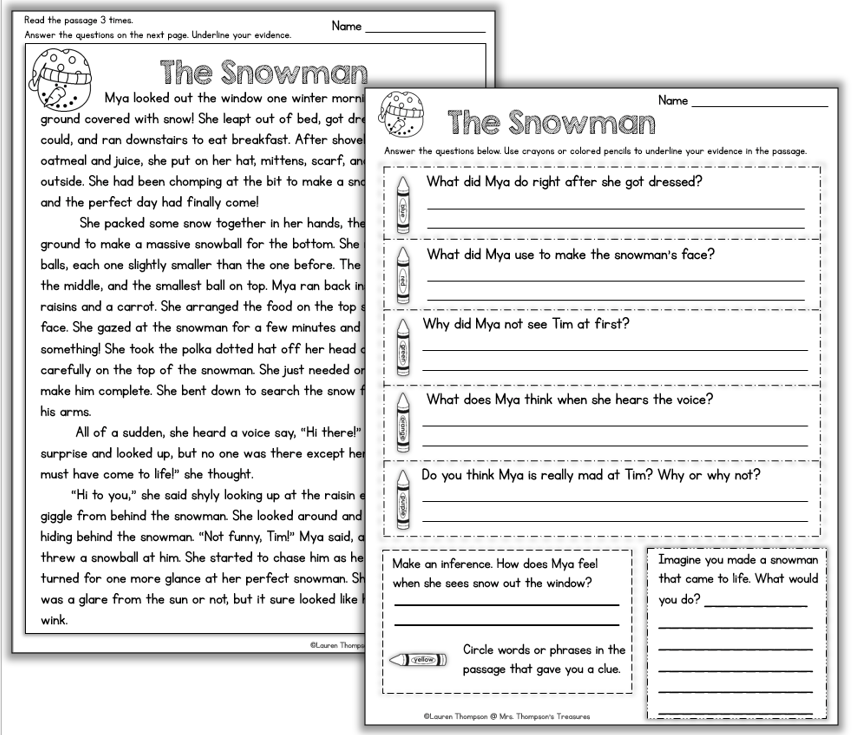
For families seeking literacy-supportive color tasks, pairing text with imagery helps young readers connect sounds to pictures. When you search, try resources that accompany Halloween-themed coloring pages and related activities. For example, you might explore find the details reading worksheets that support listening skills, picture description practice, and early decoding alongside a fun coloring page.
Line Quality and Open Areas
In line art designed for little hands, bold outlines help children stay within the shapes and reduce frustration. Generous open areas invite large strokes and easy color transitions. For Halloween pages, look for simple silhouettes like pumpkins or ghosts with uncomplicated interior details, so kids can enjoy steady progress while building pencil control. A crisp print on matte paper also helps markers stay on track, and it serves as a quick At a Glance guide for making confident choices.
As children grow, increase detail gradually. A jack-o'-lantern with curved lines to color, a haunted house with a few windows, or a bat with gentle patterns adds focus without overwhelming. Provide tools: chunky crayons for beginners, colored pencils for precision, and washable markers for bold contrast. This approach aligns with the principle of Design Details That Matter: tailoring detail to age helps sustain engagement and confidence.
Detail Level and Age
Detail level should match age and experience. For toddlers, choose pages with large color blocks and few internal lines. For kindergartners, add simple features like eyes, teeth, or leaf patterns. For older preschoolers, introduce gentle shading or tiny textures, always emphasizing progress over perfection.
Learning and Activity Ideas
After coloring, use the pages for quick literacy mini-centers: name the colors, count pumpkins, and describe what characters are doing. When choosing between Simple vs Detailed Pages, start with a simple layout and gradually add challenge as confidence grows. In a library or classroom, these sheets can be center activities that pair with a short Halloween story and vocabulary list.
Final Take: balance charm with clarity by choosing pages that support focus and joy. Encourage kids to discuss their color choices, count objects, and describe scenes to strengthen language. If a question comes up, check the FAQ section for quick tips used by teachers and librarians. With these practices, Halloween coloring pages become a supportive arts-and-literacy activity.