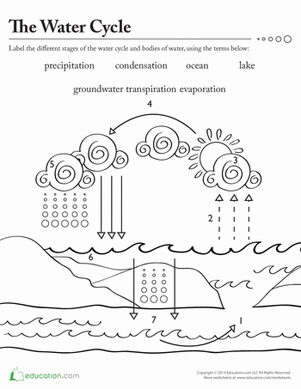
As an experienced art teacher, I love using Earth Day coloring pages to blend science and creativity. With water cycle worksheets with pictures, students connect evaporation, condensation, and precipitation through color, making abstract ideas concrete and memorable for a classroom, home, or library setting.
Color helps memory, but pacing matters. I begin with simple line art, extra white space, and large shapes to reduce frustration. Kids color, then describe what they see, linking each stage to a real-world clue. As confidence grows, we introduce light shading and small labels while keeping the core idea legible.
The Easy Starting Point
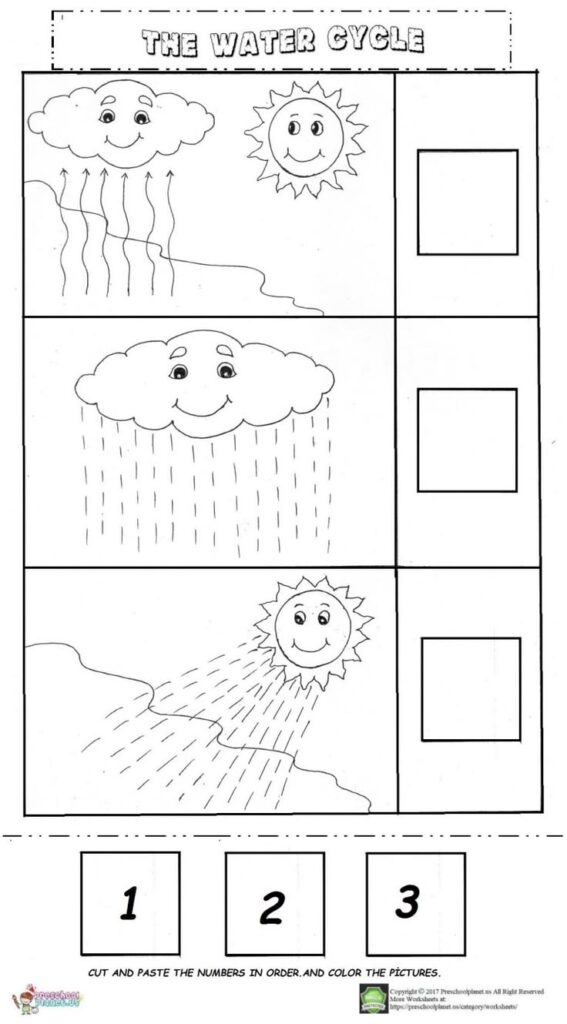
Choose pages with bold, clean lines and generous margins. Large shapes reduce frustration, while open spaces invite labeling and simple notes. For the first session, offer crayons or broad markers and keep the scale comfortable for small hands. After coloring, prompt kids to point to real-world examples, like steam from a kettle or a puddle after rain, to anchor the cycle in everyday life.
This is a gentle introduction that emphasizes observation and vocabulary. Have students describe the sequence aloud, then check their words against a simple label key. If a child struggles, offer a guided sentence frame such as 'First evaporation, then condensation' to support memory without shaping their conclusions. Revisit the page later to reinforce connections and build confidence.
What Children Can Do With These Pages
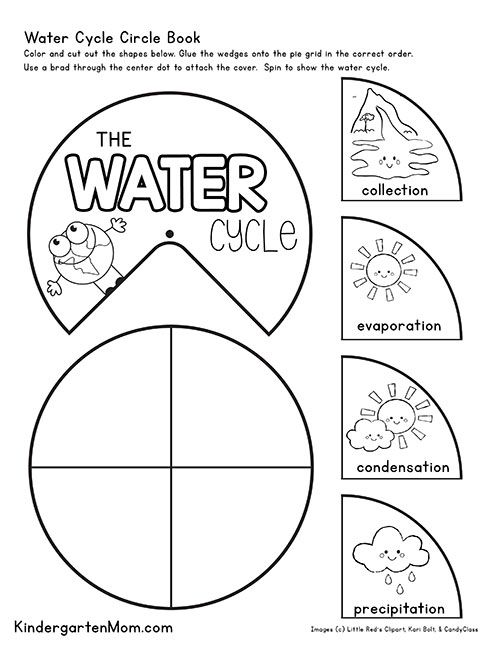
Kids can color-code stages, cut out images for a mini poster, or glue weather icons to show cause and effect. For older children, add a legend or a short caption for each stage. This turns a coloring page into a small science poster and a keepsake of their Earth Day learning. It also invites conversations about weather symbols and climate.
Choosing the Right Page
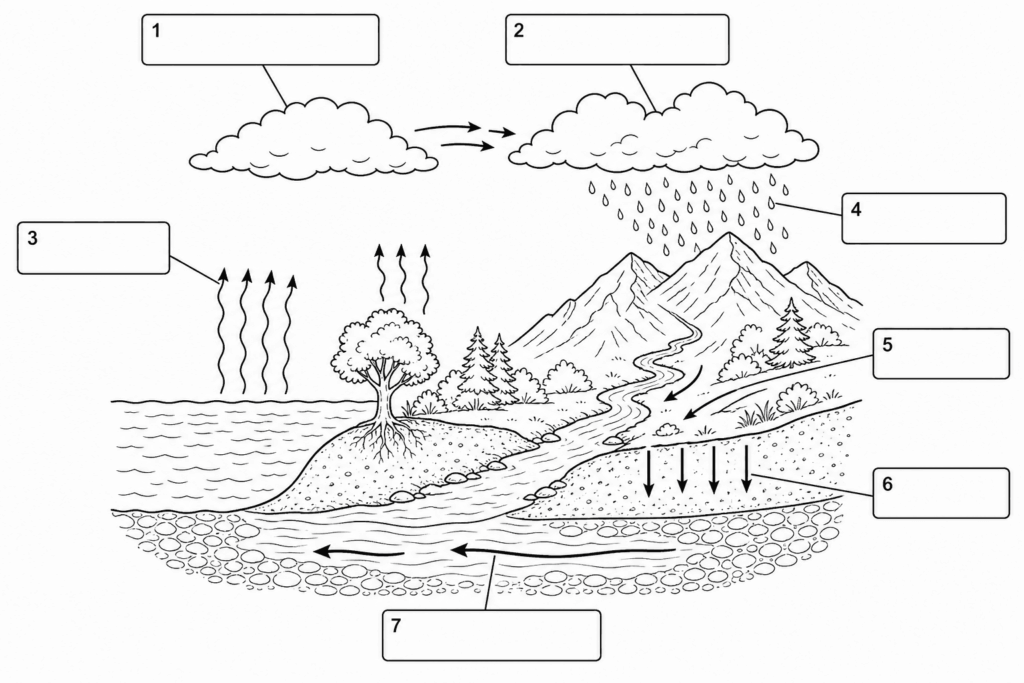
Younger Children: Simpler compositions with thicker lines help develop motor control and confidence. Choose pages that show a single-flow diagram, big labels, and clear arrows. Ask them to color each stage in a different color family and to narrate what happens next as they color. This builds early observation skills without overwhelming them.
Older Children: More detail, additional labels, and a short caption for each stage foster literacy and precision. Encourage cleaner layouts and a simple diagram that could become a classroom poster. This level supports sequencing, vocabulary, and independent thinking while still inviting creative expression. If time allows, they can draft a one-sentence explanation for why the cycle matters to living systems.
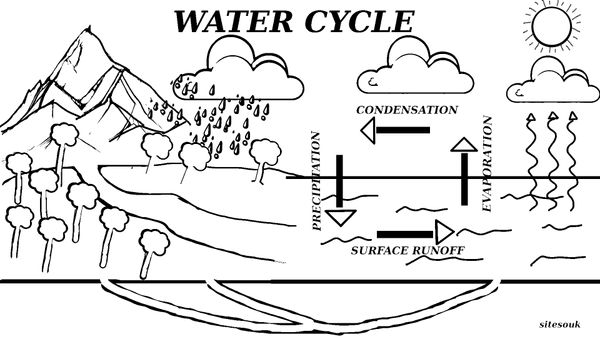
Classroom or Family Use: Use the pages in small groups or at home as a shared activity with a brief science discussion before coloring. Laminate sheets for reuse in libraries or after-school clubs, or print multiple copies for a station rotation. Pair coloring with a simple observation journal and a short glossary of terms. Printing and materials tips include 8.5×11 sheets, high-contrast line art, and scalable images; Conclusion: Earth Day coloring pages can blend creativity with science and encourage ongoing curiosity.