
Beaches spark imagination, and a well designed beach-themed coloring activity can anchor a lively learning moment in any setting. In my classroom, I use a structured approach with beach coloring pages to scaffold observation, vocabulary, and fine motor skills while keeping tasks age-appropriate.
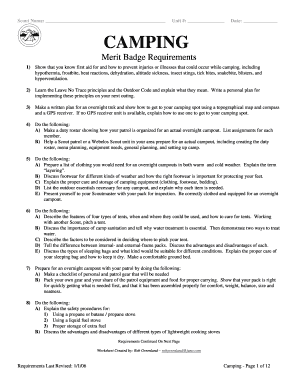
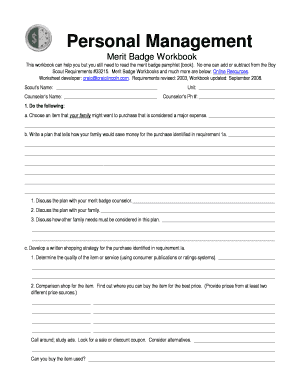
Parents and teachers often ask how to stretch a simple coloring page into a meaningful activity. The answer is a brief, guided routine that uses a single printable set to build observation, vocabulary, and language skills. This camping merit badge worksheet can accompany beach coloring pages, inviting students to describe textures, compare shells, and record tiny data about tides.
Why Kids Enjoy This Theme
Beaches provide familiar, vivid imagery that sparks curiosity. Kids notice shells, birds, and waves, and a coloring page becomes a quiet way to observe while practicing fine motor control. When you tie a simple prompt to the art, students feel purposeful rather than idle, and the activity shifts from coloring to storytelling, making it suitable for guided groups or independent work.
From a teacher's lens, the structure matters. A predictable routine: look, color, describe, and compare, helps younger learners stay on task and older students lead a quick peer review. The sheets can also support vocabulary development, such as naming textures, colors, and weather, which aligns nicely with beach-themed reading or science mini-lessons.
Coloring Ideas and Skill Levels
Simple designs keep little hands busy while building confidence. Choose line art with clear borders: a sun over waves, a palm frond, a simple shell, and footprints in the sand. Offer crayons or broad-tipped markers for younger kids, and consider colored pencils for more control. Allow a quick color plan at the start to minimize wandering attention.
Detailed Designs
For older preschoolers and early readers, add shading, texture, and small patterns—like stripes on a beach umbrella or pebble textures on a rock. Detailed pages build focus and fine motor precision, and they invite discussion about layering color. If your group loves challenges, provide a few optional extension prompts such as counting shells or describing the shoreline changes.
Home and Classroom Uses
In a home setting, this beach coloring activity can become a quick calm-down task between chores or a weekend craft. In classrooms and libraries, it works as a short extension station during science or geography blocks, a party activity, or a rainy-day program. You’ll notice pockets of creativity forming when children compare pages and share methods.
Common questions you may hear include: How long should a coloring session last for mixed ages? What materials work best—crayons, pencils, or markers? Can this be used for literacy prompts or math counting? How can I store and reuse worksheets for future beach-related events? Is it suitable for parties? In short, with careful planning, a beach coloring printable like this can be flexible and engaging in libraries, classrooms, and homes.