
As a dad who guards screen time, I plan weekly, screen-free activities that feel worthwhile and fun. Realistic coloring pages offer quiet, tactile practice that supports focus and early literacy through pictures, lines, and simple stories.
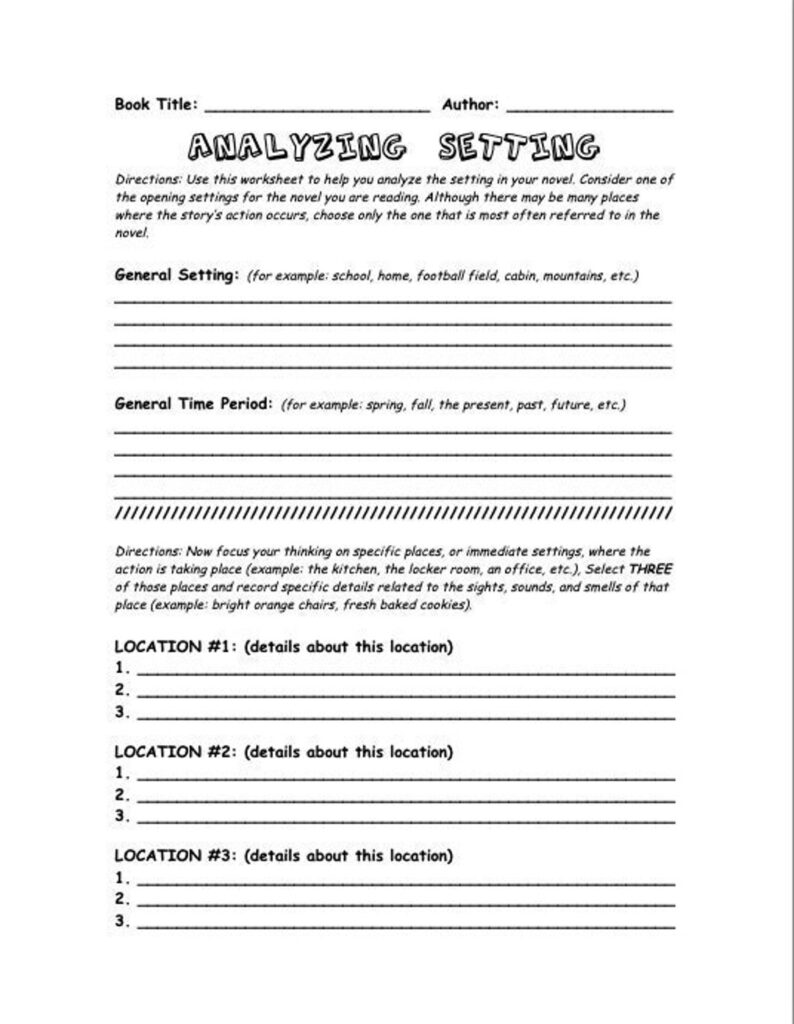
In our busy home, a deliberate, screen-free routine matters. Using setting worksheets for reading helps kids slow down and examine what they see on a coloring page, then connect the image to words they know or are learning. It isn’t about pressure, but practice: noticing details, sounding out captions, and building confidence to turn a page and try again. The approach blends reading readiness with a calming creative activity.
Simple Designs
Simple designs use bold lines, larger shapes, and clear spaces. Younger children may benefit from pages with a single scene, like a sun-lit garden or a friendly dog, where color choices guide focus. For older kids, keep the line art simple but introduce light shading to practice control without becoming overwhelming. The goal is to invite success, not frustration.
Balancing simplicity and challenge means choosing pages with a few elements and predictable layouts, then offering optional add-ons such as counting the shapes or naming colors. Provide a couple of tiny prompts, like 'color the stripes' or 'match the color to the object,' so progress feels tangible. A small, printed word bank or simple captions can turn a coloring printable into a light literacy activity. Keep the prompts optional and let kids decide when to try a tiny challenge.
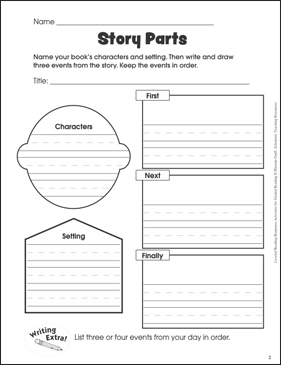
Detailed Designs
Detailed designs lean into more line art, smaller shapes, and textured areas that older children can enjoy. These pages invite careful color layering and imaginative details, which can strengthen fine motor skills and patience. When used at the kitchen table or during a quiet library time, they become a satisfying break where kids describe what they notice and build a longer reading-related conversation.
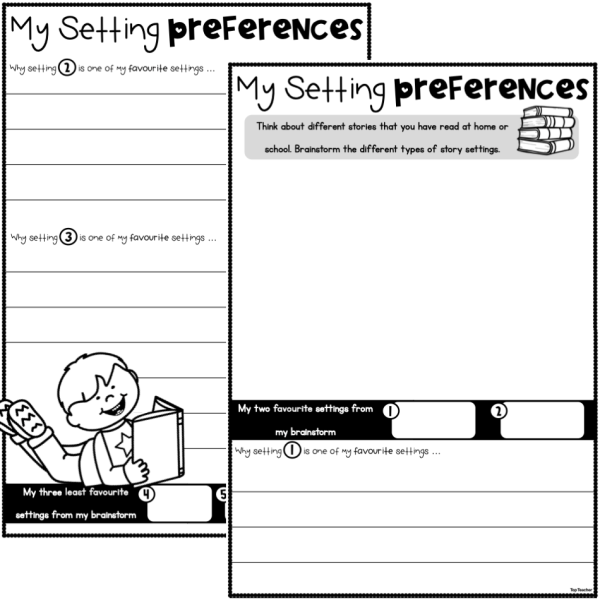
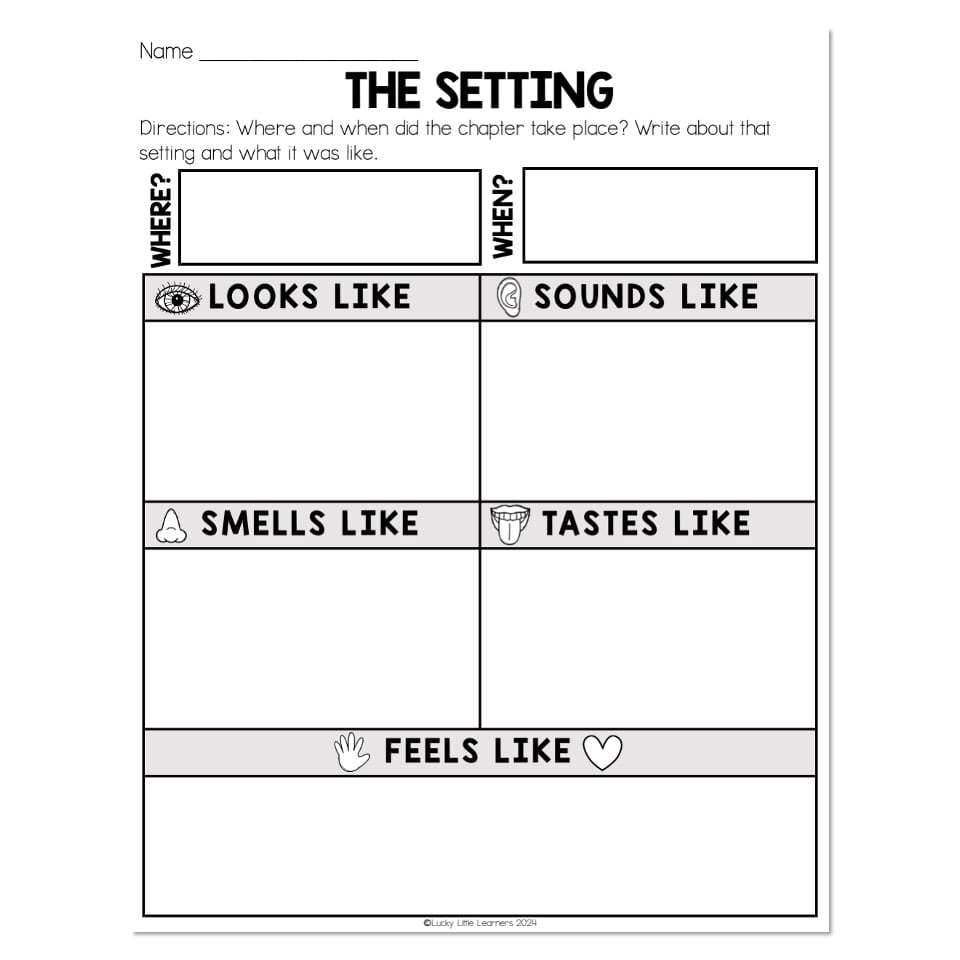
Paper, printing and coloring tips: start with standard white printer paper, set scale to 100%, and use single-sided sheets to minimize bleed. Crayons offer bold lines, colored pencils provide subtle shading, and markers bring lively color—let kids choose their preferred tool. Common questions include: what ages are best? usually 4–9; how many pages per session? one or two; can pages be reused? tracing or re-coloring on a new sheet works. Conclusion: with patient guidance, these activities support screen-free reading and storytelling in daily life.