
From a seasoned illustrator's desk, a markers coloring page focused on the environment invites bold, expressive line work. Clean outlines balance marker vibrancy, helping kids explore nature without bogging down in details. It rewards brave color choices while teaching patience and composition in a playful setting.
Environment-themed coloring pages naturally invite conversation about nature, conservation, and daily curiosity. As an experienced illustrator, I design line art that reads well in pencil, ink, or marker. With bold spaces and age-appropriate detail, these coloring activities support focus and storytelling, while markers offer quick feedback and vibrant color relationships.
Color Choices
Marker-friendly palettes help children recognize relationships in a scene, using sky blues, leafy greens, earthy browns, and bright accents to draw attention to animals or recycling symbols. Remind students to test a color on a scrap edge first to avoid ink bleed on thinner pages. Pair saturated markers with lighter tints to create depth without overwhelming the center image.
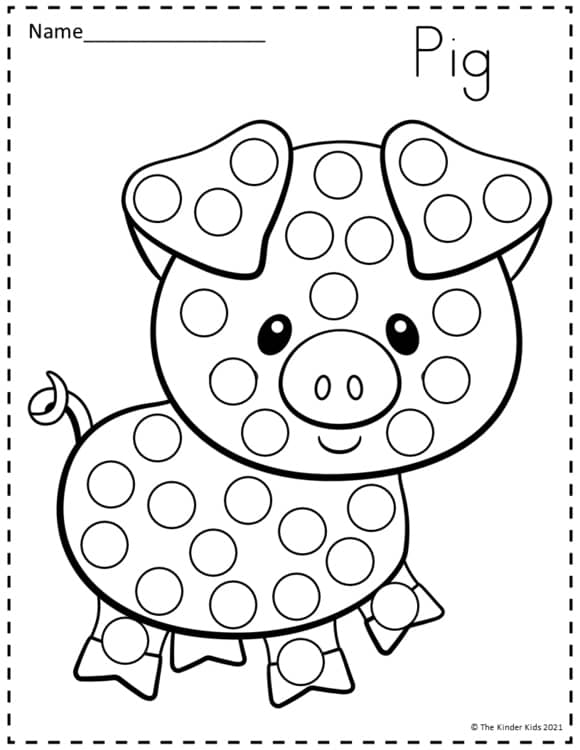
Paper and marker technique matter. A sturdier coloring printable stock or light card stock prevents bleeds and makes layering easier. Start with pale washes to sketch shadows, then build color with quick, confident strokes. If line detail is too dense for markers, switch to fine-tipped markers for crisp edges or add colored pencils for texture on top.
Drawing Extensions
After coloring, invite students to extend the scene: add a bird on the branch, a distant hill, or a recycling bin. These drawing extensions test observation, fine motor skills, and imagination. In a classroom, have learners describe their additions aloud to practice vocabulary and social interaction while keeping the activity inclusive for varied skill levels.
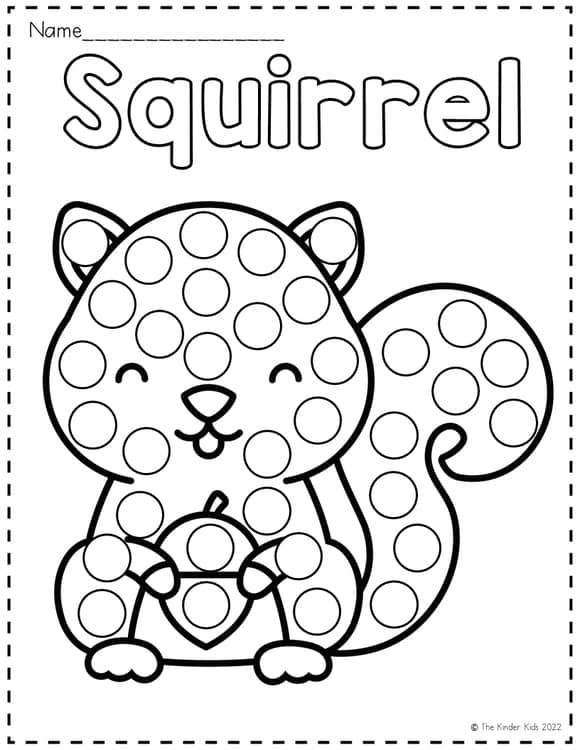
Another option is mixed-media: glue on leaves, use washi tape to frame the sky, or cut out shapes to collage into the environment. This keeps younger kids engaged and helps older ones explore composition, balance, and negative space. It also creates easy display pieces for hallways or library shelves.
Conversation or Learning Prompts
Prompts spark discussion about habitats and stewardship. Ask: What habitat is shown and which animals live there? How did you choose colors and why? What threats does that environment face, and how can people help? These questions support language development and observation without claiming specific curriculum outcomes.

Final thoughts: environment coloring pages with markers balance speed and creativity. Pros include bold results and easy sharing; considerations include paper quality and marker bleed. Common questions include: Are these printable sheets suitable for beginners? Can pages be reused or displayed later? Should markers be used on one side only? Are they classroom and library friendly? This approach fits homes, classrooms, libraries and party settings.