
A mermaid themed coloring page can spark curiosity, steady focus, and steady hands during busy days. This article explores practical ways to use printable mermaid line art in homes, classrooms, libraries, and party settings, with ideas that adapt to different ages, spaces, and time constraints.
Many educators and parents discover that an ariel coloring page can be a versatile starter for a mermaid-themed coloring activity. The line art is easy to print, scales well to different ages, and invites storytelling as colors fill the fins and underwater scenes. Printed on standard 8.5 x 11 paper, it remains accessible for most homes and schools, and it can be enlarged for a wall display.
Color Choices
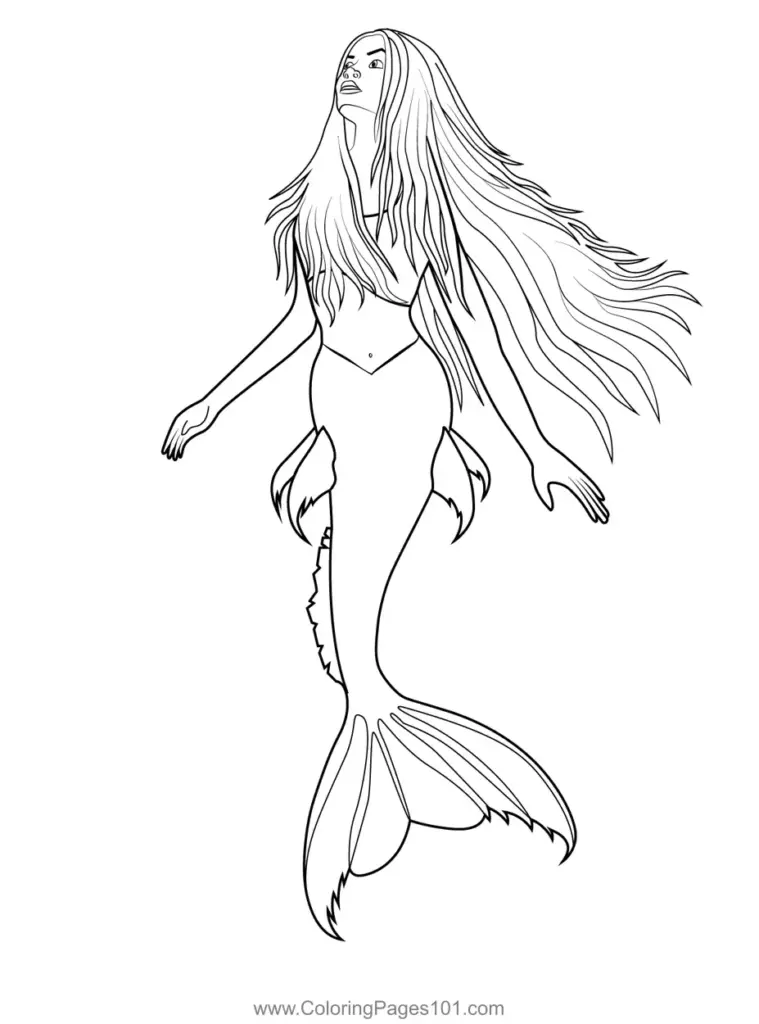
Color choices shape the mood of any mermaid scene. For beginners, start with a bold palette of primary colors to build confidence, then introduce complementary shades as comfort grows. Use colored pencils for subtle shading, crayons for broad fills, and markers for bright accents on fins and sea life. Encourage a few deliberate blends, like blue-green water or pink coral, and remind kids to name what each color represents in their story.
This approach reduces overwhelm and encourages experimentation across textures, from smooth scales to rough coral and sandy seabed. If space and time permit, offer optional swatches on the page margins so children can test which combinations feel right before coloring the main shapes. You can also encourage groups to compare color choices aloud, which builds social language while maintaining individual creativity.
Drawing Extensions
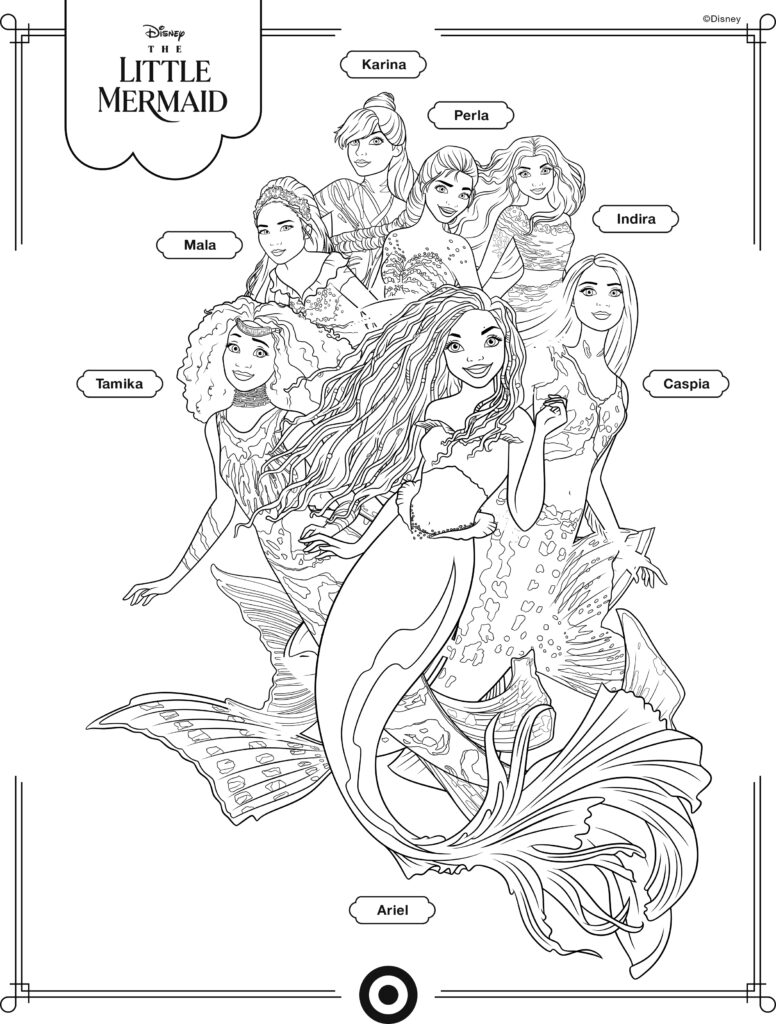
Drawing extensions turn coloring into a small art project. Invite kids to sketch extra sea creatures, add treasures in shells, or design a second panel with a sunset over a coral reef. These tasks support fine motor practice, planful thinking, and a sense of ownership over the final image. You can offer optional simple templates for younger children and challenge prompts for older ones.
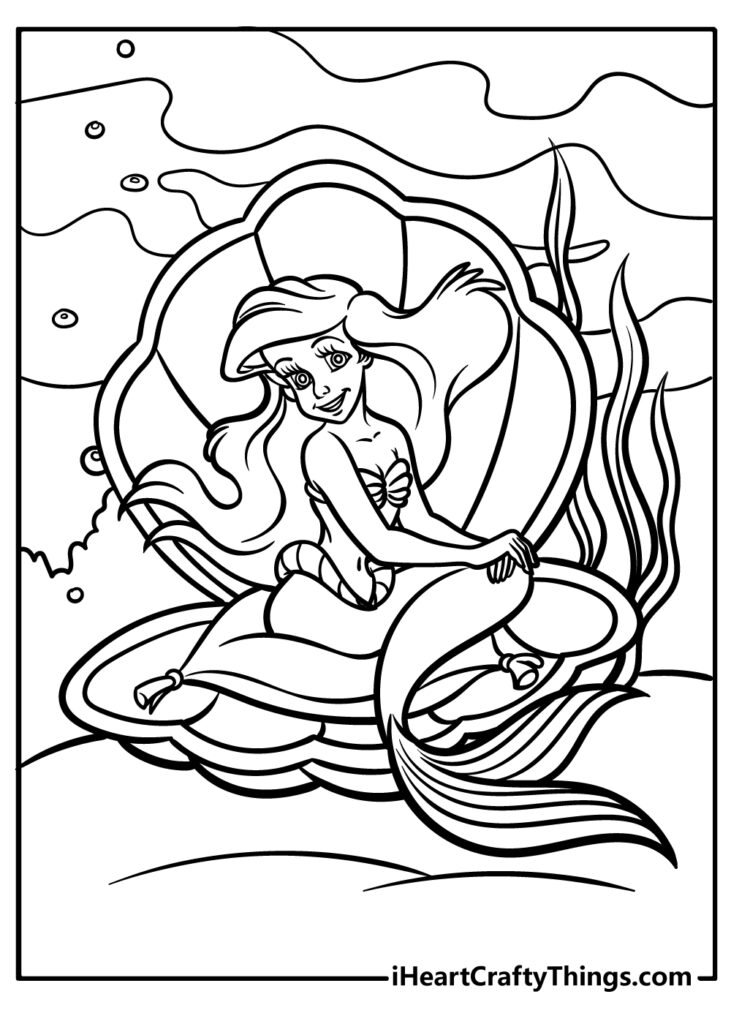
For younger students, provide easy templates to reduce drawing anxiety; for older children, invite them to invent imaginative ecosystems. Consider pairing a brief writing prompt with the drawing, such as describing a sea creature's day or naming colors that match feelings. This integration supports language and expressive thinking. A quick gallery walk after coloring can celebrate ideas and encourage listening.
Conversation or Learning Prompts
Prompts can be simple or open-ended. Conversation prompts encourage language use and sound-symbol relationships. Ask students to name colors and sea life, describe how light affects the scene, or compare mermaid tails. Simple questions like 'Which color makes the water feel calm?' or 'What creature would you add next?' invite participation without one right answer, while nudging observation and description. Encourage students to jot quick color notes or describe textures aloud.
Home, Classroom and Party Uses
Printable mermaid line art adapts to a wide range of environments. At home, use it for quiet time, car trips, or family projects. In classrooms, assign a color-chapter portion and a small group discussion. Libraries may offer a mini coloring station, and party hosts can include coloring sheets as favors, accompanied by a simple activity card. Provide crayons, pencils, and wipes to keep spaces tidy.
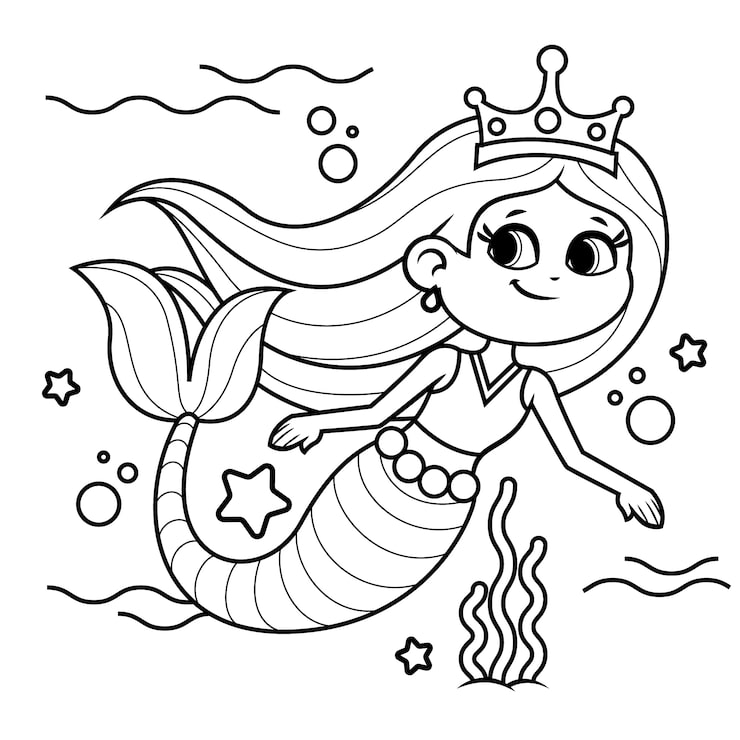
Simple Printing Tips. Printing tips cover paper, scaling, and line visibility. Use white printer paper, 18-24 lb weight, and test a small scale before mass printing. Common questions include: Is this suitable for toddlers? With supervision. Can I print in grayscale? Yes, but color adds depth. What age range benefits most? Typically 4–9. Can these be used in libraries? Yes. A thoughtful approach to printing and prompts can turn coloring into a small, durable learning moment.