
An island coloring page can be a calm, inclusive entry point for students who benefit from structured line art and simple scene-building. As an experienced special education teacher, I rely on clear prompts, steady pacing, and printable coloring sheets to nurture focus and fine motor skills.
A single, achievable goal helps students stay engaged. In practice, I pair a page with a quick model, such as color the shoreline first, then add water and sky. This approach reduces overwhelm, reinforces direction-following, and turns a simple line-art task into a meaningful coloring printable that fits a short classroom activity or a calm home session without rushing.
The Easy Starting Point
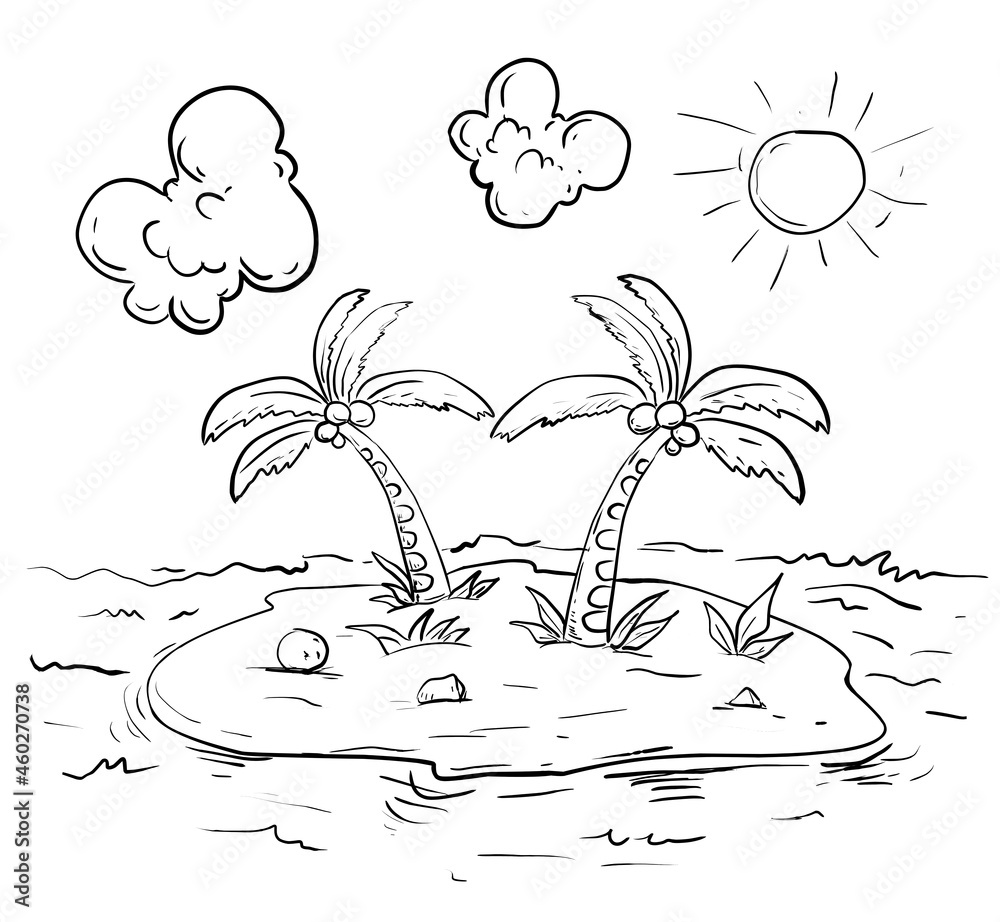
Choose a simple island scene with broad shapes and minimal detail. Start with a single color for the sky, then a second for sand or water. Encourage students to name colors aloud as they work, linking language and action. For younger learners, provide high-contrast outlines and shorter segments; for older students, add optional shading prompts to extend the task.
What Children Can Do With These Pages
Coloring pages support visual-perceptual skills, fine motor control, and sustained attention. Students practice color naming, patterning, and color sequencing, while the activity becomes a platform for social interaction when peers describe choices. They can also count shapes or label elements to boost vocabulary, making a growth-friendly coloring printable that can adapt over time.
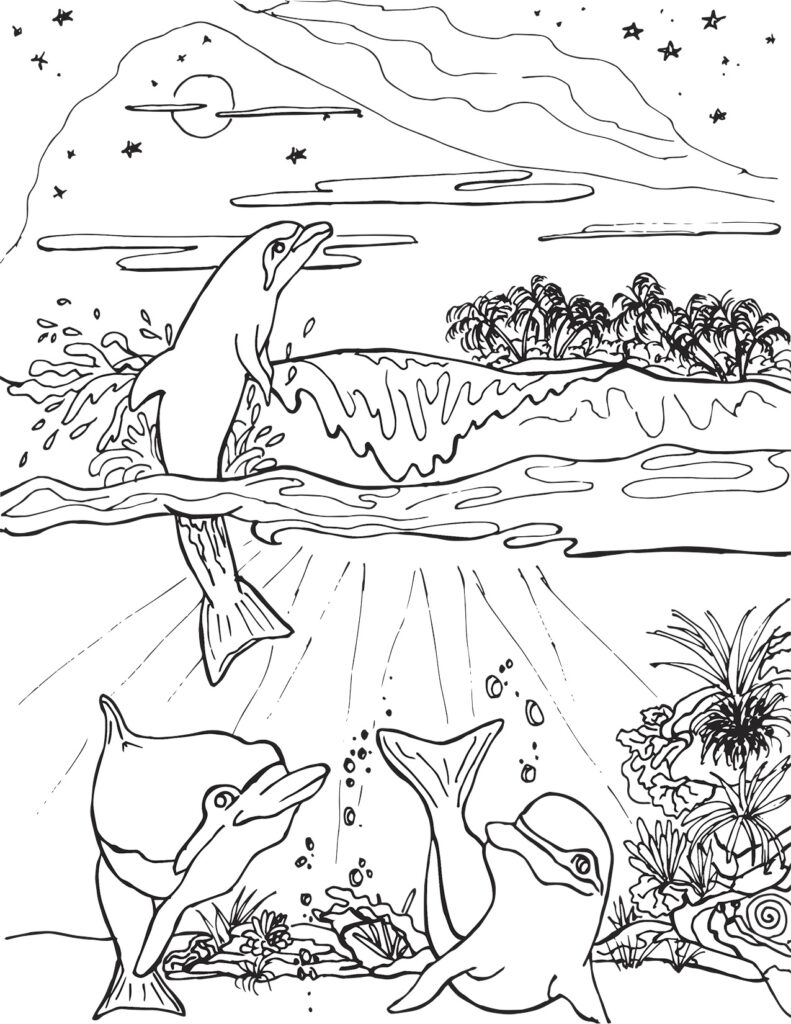
To make it adaptable, assign tasks by ability: some children color within lines, others enjoy bold, free-form blocks. Use prompts like 'Describe your color choices' or 'What shape comes next?' to encourage reasoning. For older learners, discuss color harmony or compare warm and cool tones. A playful tone helps, and a quick victory—such as a completed island—keeps motivation high.
Choosing the Right Page
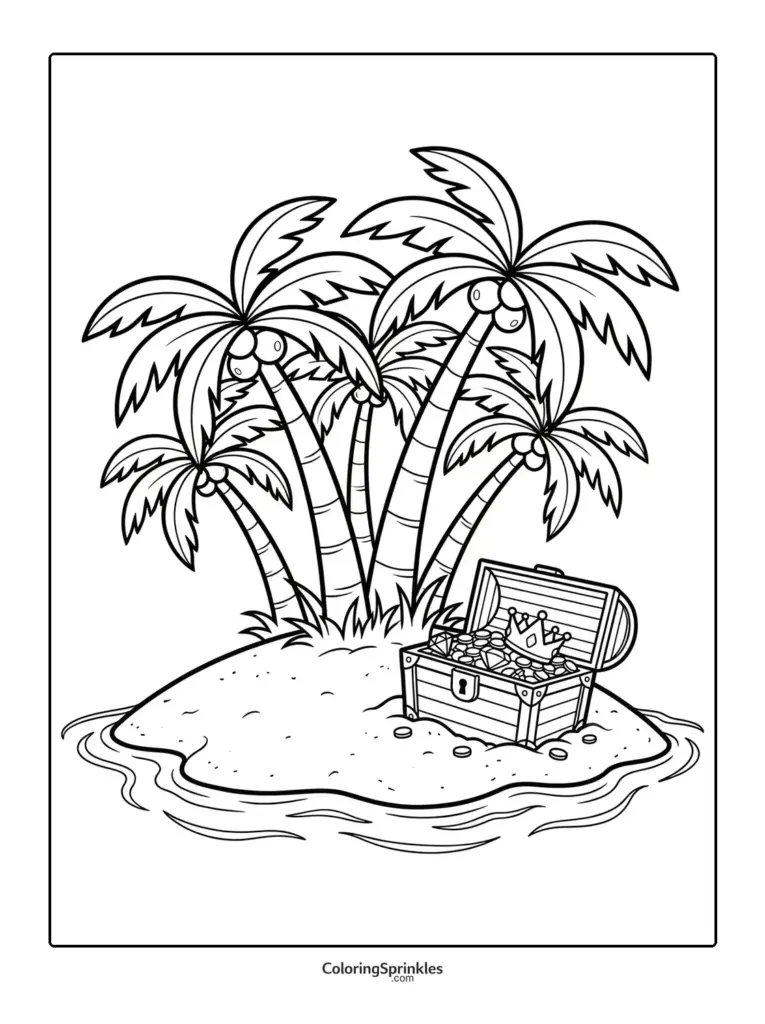
For younger children, look for pages with large areas and simple outlines. Beginner designs should offer generous white space to minimize frustration. Printing on standard printer paper with slightly thicker pencils or crayons can help kids work without tearing the page.
For older children, select pages with richer detail or short prompts that invite reasoning. In a classroom, rotate a 10-minute coloring activity as a quiet transition between tasks. At home, pair the page with a photo or story prompt to build language and narrative skills.
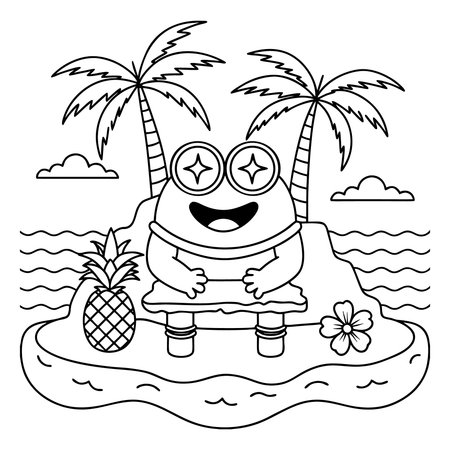
Printing and materials: use white printer paper or light cardstock and print at 90% scale to leave margins. FAQ: Can this be used in classroom and home settings? A: Yes, it can support focus and fine motor skills when paired with clear instructions; FAQ: Is it okay for nonreaders? A: Yes, use picture prompts and verbal cues. FAQ: What supplies work best?
A: Crayons and colored pencils are forgiving; markers can bleed on thin paper, so test first; FAQ: How can I adapt for different ages? A: Choose simpler line art for younger children and closer detail for older ones; FAQ: Should scaling be considered? A: Print at 90% to fit your space. Conclusion: With mindful page choice and simple supports, an island coloring page can be a reliable, low-pressure kids activity that nurtures creativity and perseverance.