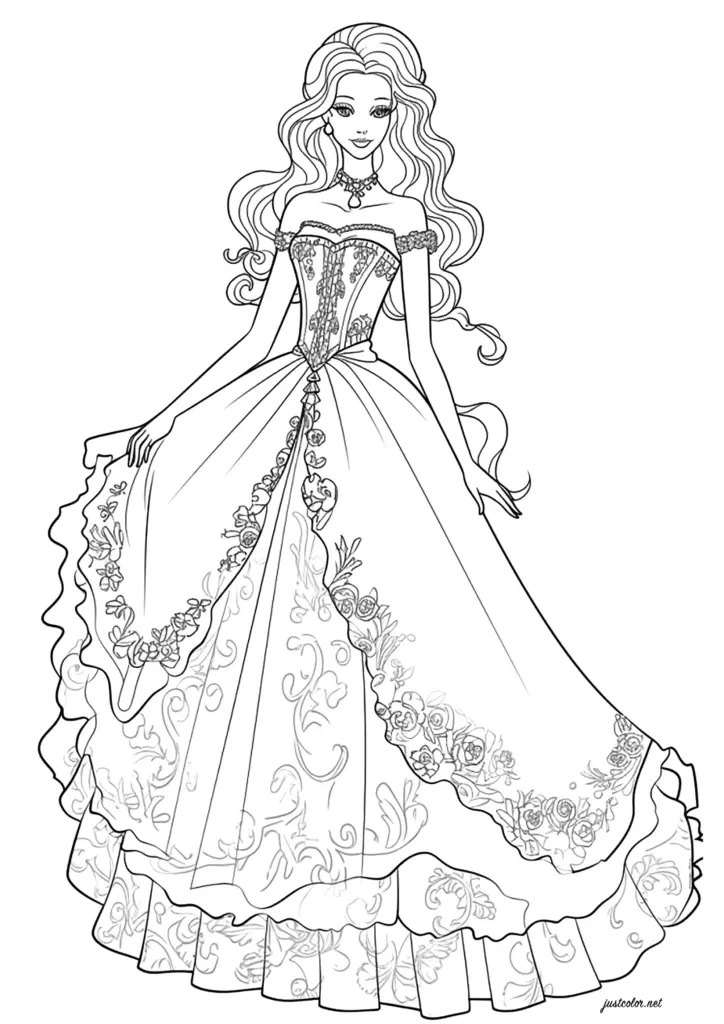
As a Montessori-inspired educator, I value hands-on exploration that blends art with language. A coloring page of a dress can become a woodland friend’s outfit, inviting children to observe lines, shapes, and textures while talking about nature and stories.
Using a dress motif on woodland animals turns a simple activity into a narrative moment. Children practice careful coloring, improve pencil control, and describe what they see in their own words. The printable coloring sheet format supports independent work or small-group guidance, aligning with Montessori principles of self-directed, hands-on learning. When a character becomes dressed for the forest, curiosity naturally grows.
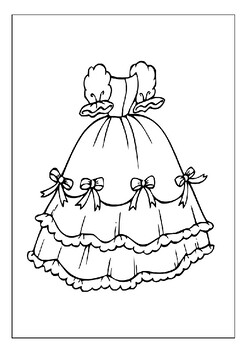
Why This Theme Works
This theme supports practical life skills as children choose colors with intention, pause to consider what the forest creature would wear, and tidy up after coloring. It reinforces vocabulary related to animals, habitat, and weather, while inviting children to compare colors and textures. For younger children, stick with broad sections and fewer details; for older kids, introduce patterns like leaves, berries, or gentle fur textures to add challenge.
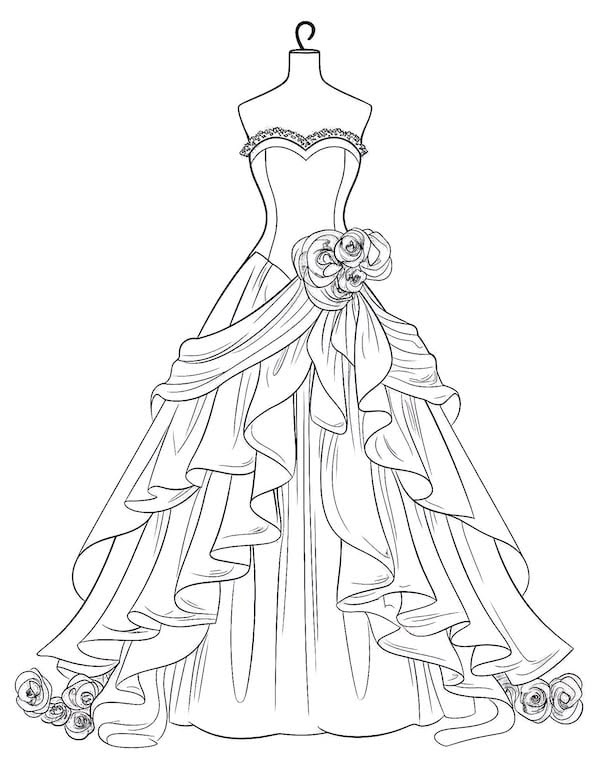
The activity can be offered with different tools—crayons, colored pencils, and markers—each shaping a distinct outcome. Crayons create soft blends suitable for younger learners; colored pencils offer control for fine lines; markers add bold accents for older kids. A forest dress can incorporate seasonal colors and wildlife companions, turning a quiet moment into a storytelling prompt. Encourage gentle sharing and listening as each child explains their choices.
Design and Activity Ideas
Design and activity ideas grow when the dress becomes a costume for a forest friend. Try a two-step project: first trace line art to create a simple dress shape, then add woodland details like acorns, pine cones, or fern fronds. A partner activity can involve describing the dress to a peer while the other colors, promoting expressive language along with fine motor work.
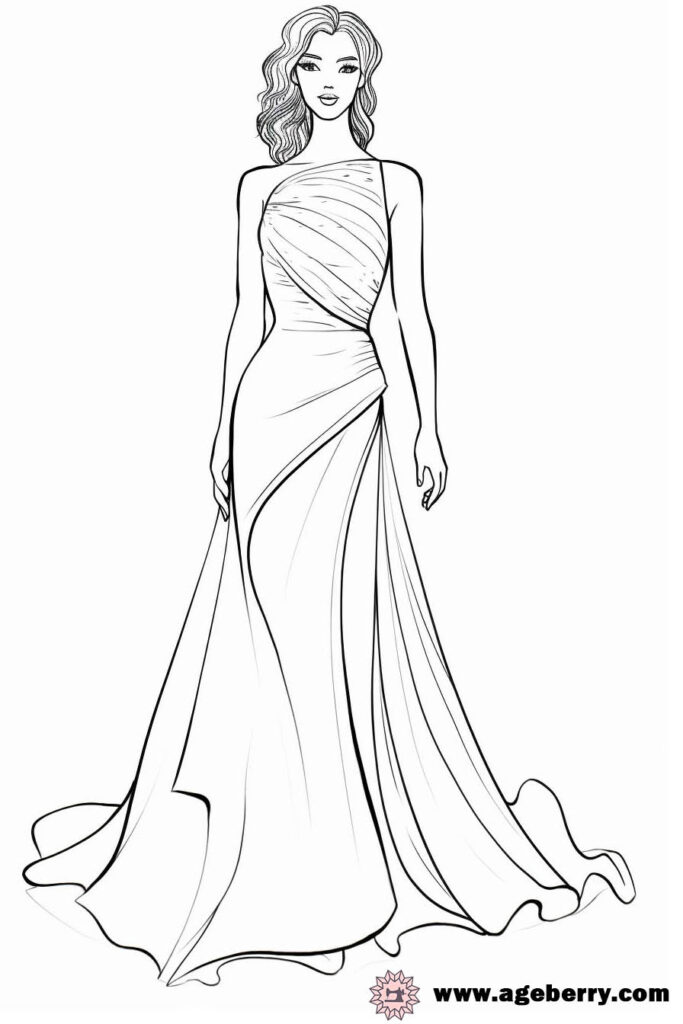
Color Choices
Color choices can follow simple palettes to support learning goals. For younger children, offer a limited set—greens, browns, and sky blues—to reflect forest habitats and keep decisions manageable. For older preschoolers and early elementary students, introduce warm accents like berry reds or sunset oranges to highlight personality. Discuss how color cues affect mood and storytelling, such as a sleepy bear in a moss-green dress. Pair the page with a color chart and vocabulary cards.
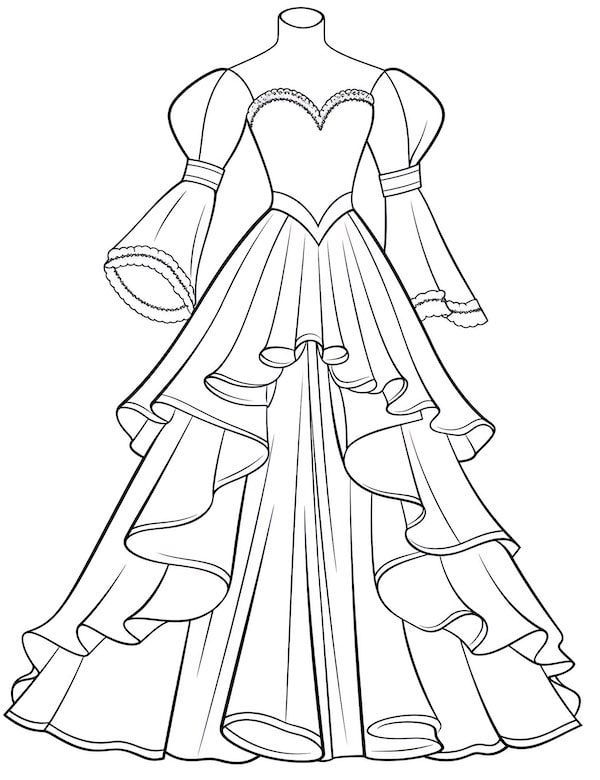
Drawing extensions invite children to personalize the scene further. Offer a quick tracing activity to reinforce steady hands, then invite kids to add seasonal forest details, using umbrellas or leafy accents. Finally, a short self-check helps build language about materials and mood. Common questions from families include: Are crayons safer than markers for young children? What paper works best for bleed-through? How can dress pages link to storytelling? What about reluctant colorers? How does it support language development?