
As an experienced art teacher, I see coloring as a way to practice pattern recognition and careful observation. With magic coloring pages, students slow down, test color relationships, and notice how simple lines can guide complex ideas.
Starting with patterns helps children build planning skills and hand stability. I emphasize looking at spaces, edges, and symmetry before color choices. When kids predict how a color will affect a repeating motif, they become more deliberate about their steps. The result is not just a colored page, but a small, achievable artistic plan.
The Easy Starting Point
Begin with large, simple pattern coloring pages that feature generous white space and bold outlines. Offer crayons or thick colored pencils for beginners, then invite kids to experiment with light and dark tones within each motif. Model slow, deliberate coloring by completing a corner together before letting them take the lead. This keeps the activity accessible while teaching essential control.
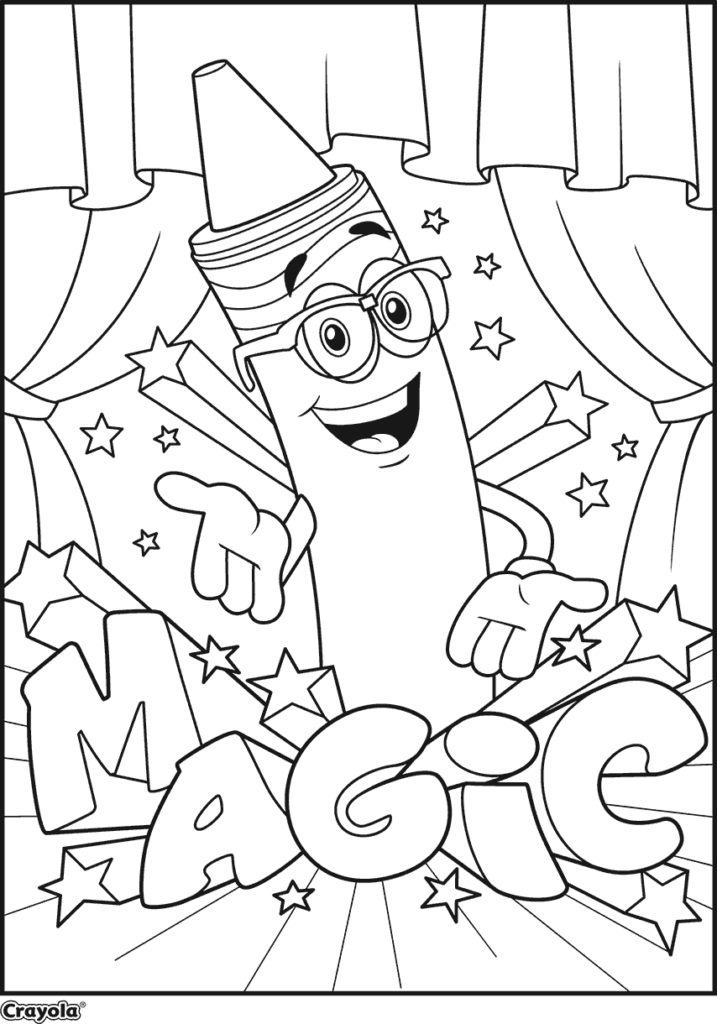
Choose pages that balance repetition with small variations to hold attention and invite careful observation. Encourage students to consider color families and how warm versus cool tones change mood, then predict how a palette might affect pattern flow. Allow a short planning moment, then color in sections and compare results with a partner to practice describing decisions and noting contrasts. This collaborative check-in builds language and focus.
What Children Can Do With These Pages
Pattern coloring pages support pattern recognition as kids notice repeats and symmetry. They build color vocabulary by naming hues and comparing warm and cool choices. Fine motor skills improve with careful line work, especially when using colored pencils for precision. For many students, completing a page gives a concrete sense of achievement.
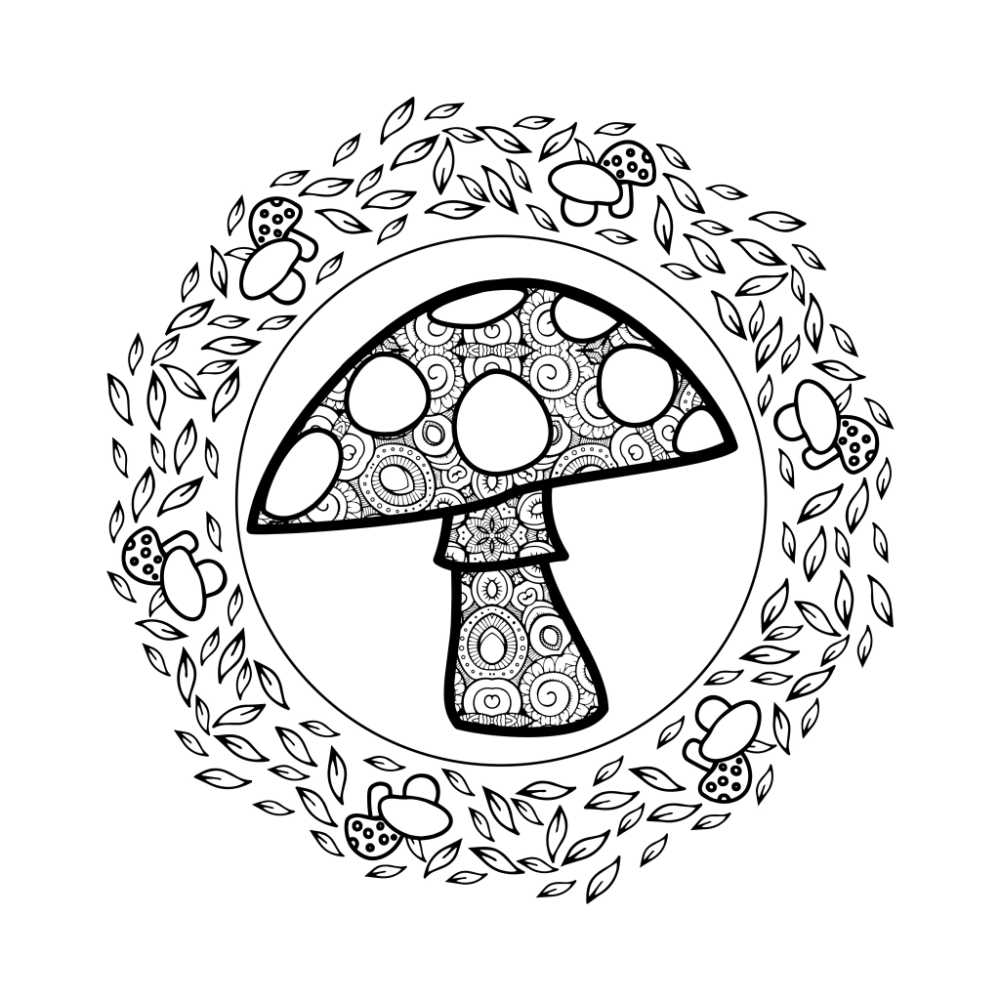
Older Children can handle more complex patterns with tighter spaces and subtle transitions, which fosters persistence and planning. They learn to test color palettes, document choices, and revise as needed. In a group setting, they can explain their color logic to peers, turning a coloring page into a miniature design critique. It can be a calm, focused classroom activity.
Choosing the Right Page

Younger Children benefit from bold, simple linework and generous spaces. Older Children can handle more complex patterns with tighter spaces and subtle transitions. In a Classroom or Family Use, you can group pages by difficulty and discuss color relationships after each session. Always offer a quick warm-up, like tracing lines with a pencil or naming colors aloud, to reduce frustration.
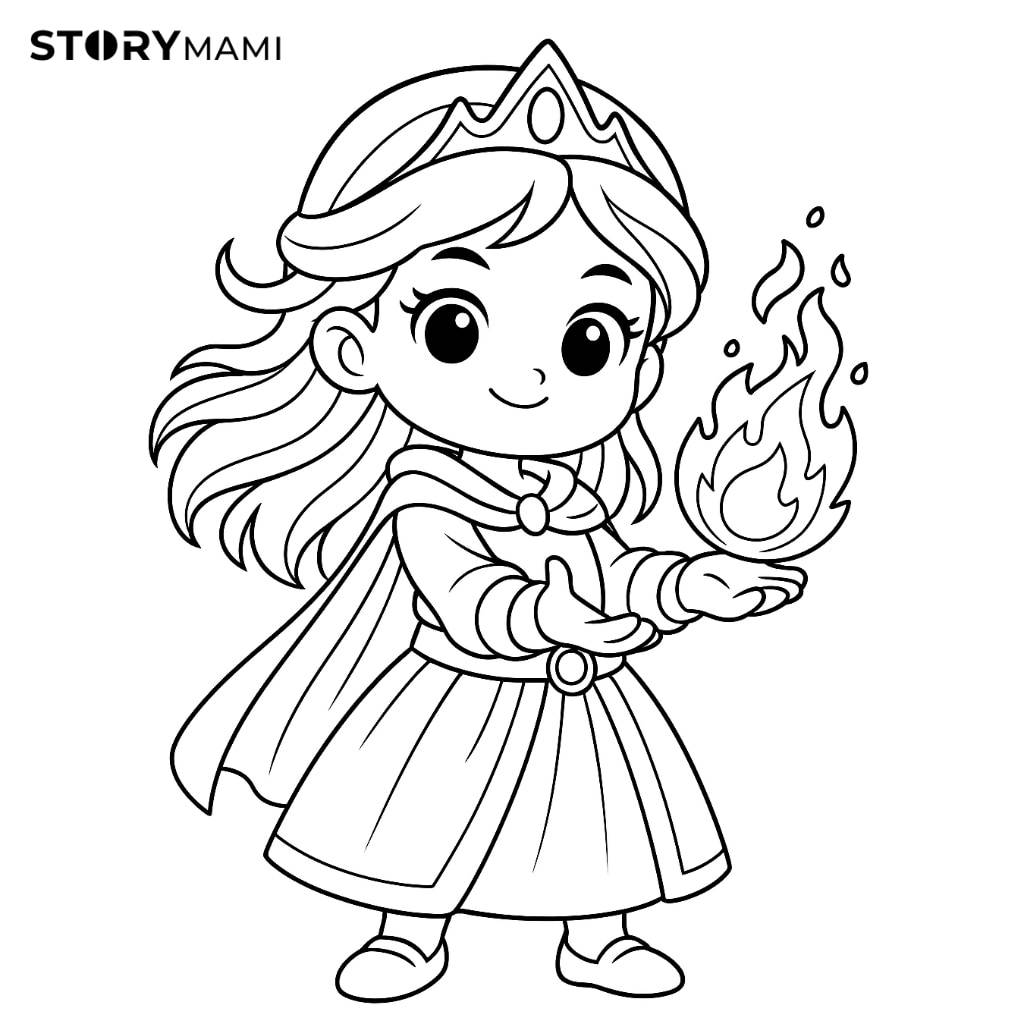
Printing and Materials: Use standard copy paper, print at 100%, and do a test run to confirm line visibility. Different tools—crayons, colored pencils, and markers—behave differently, so choose materials based on the page and setting. Ideas Beyond Basic Coloring: extend the page with storytelling prompts, counting, or color-matching challenges. FAQs and practical tips can help parents, teachers, and librarians tailor these printable coloring sheets for age-appropriate design.