
Coloring pages support focus, fine motor control, and self-expression. As a veteran special education teacher, I see a dog and cat coloring sheet as a reliable starting point for many learners. Clear lines and generous margins help kids stay within the outlines.
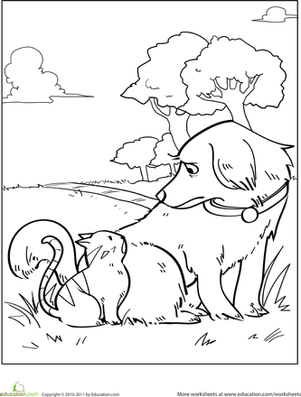
Accessible formats matter in classrooms and homes. I favor bold outlines, ample white space, and minimal clutter so kids can track lines without fatigue. Provide options for crayons, colored pencils, or markers and allow pace that fits each learner. The goal is steady practice, confidence, and a positive, creative experience rather than perfection.
The Easy Starting Point
Begin with a single animal per page, large shapes, and simple backgrounds. A dog silhouette beside a cat outline with thick outlines helps learners stay inside lines. Use generous margins and a scale that fills most of the page to reduce eye strain and support a light pencil touch.
Keep sessions short and predictable. Three to four minutes of coloring, followed by a short break, helps attention. Offer adaptive tools like chunky grips for small hands or tracing options for pre-writing. Celebrate small wins, such as staying on the line or choosing a pleasing color combination.
What Children Can Do With These Pages
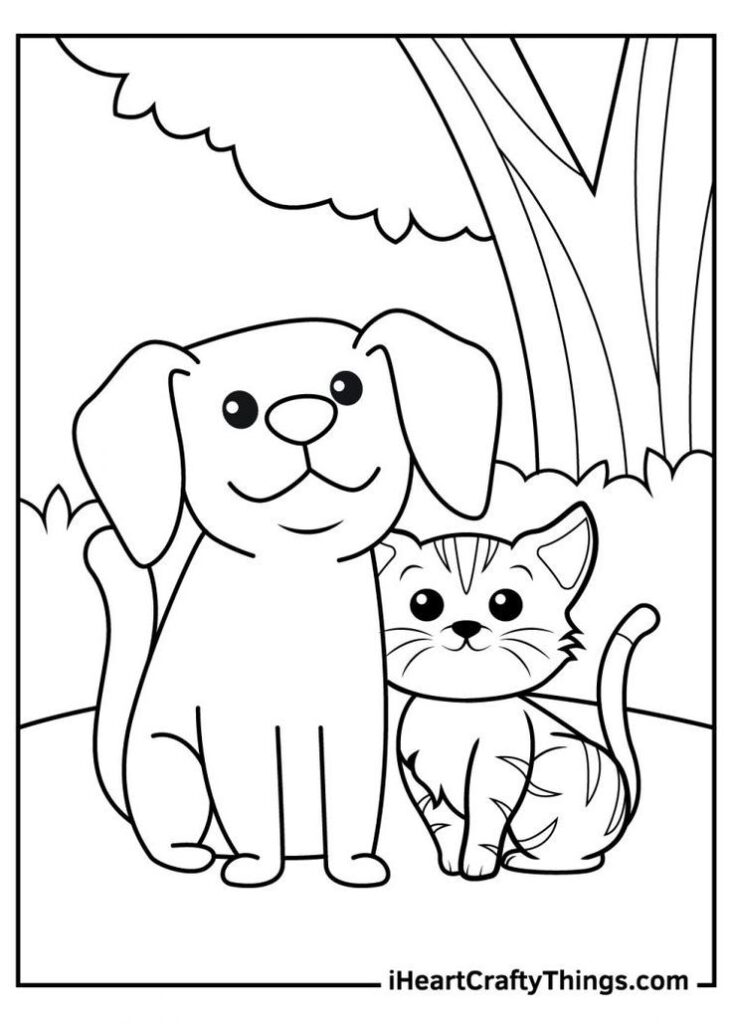
Color choices, line recognition, and finger strength grow as children color. Pages can become opportunities to name colors, describe animals, or practice color matching. Some kids enjoy labeling colors aloud, while others focus on smooth shading with pencils. You can pair a page with a simple counting activity, turning coloring into a gentle math-based game.
Choosing the Right Page
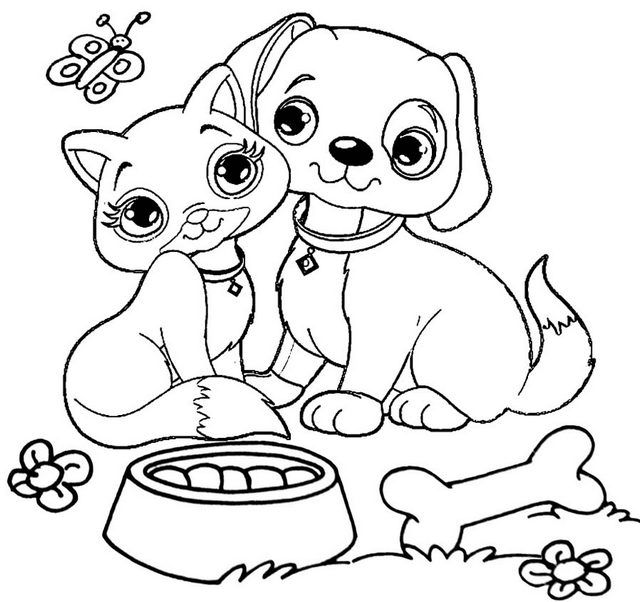
Younger Children: Younger children benefit from oversized shapes and minimal detail to build confidence and control. Bold lines, clear silhouettes, and big color areas reduce fatigue and support early pencil grip. Starting with a few colors per page helps focus and decision-making without overwhelming choices.
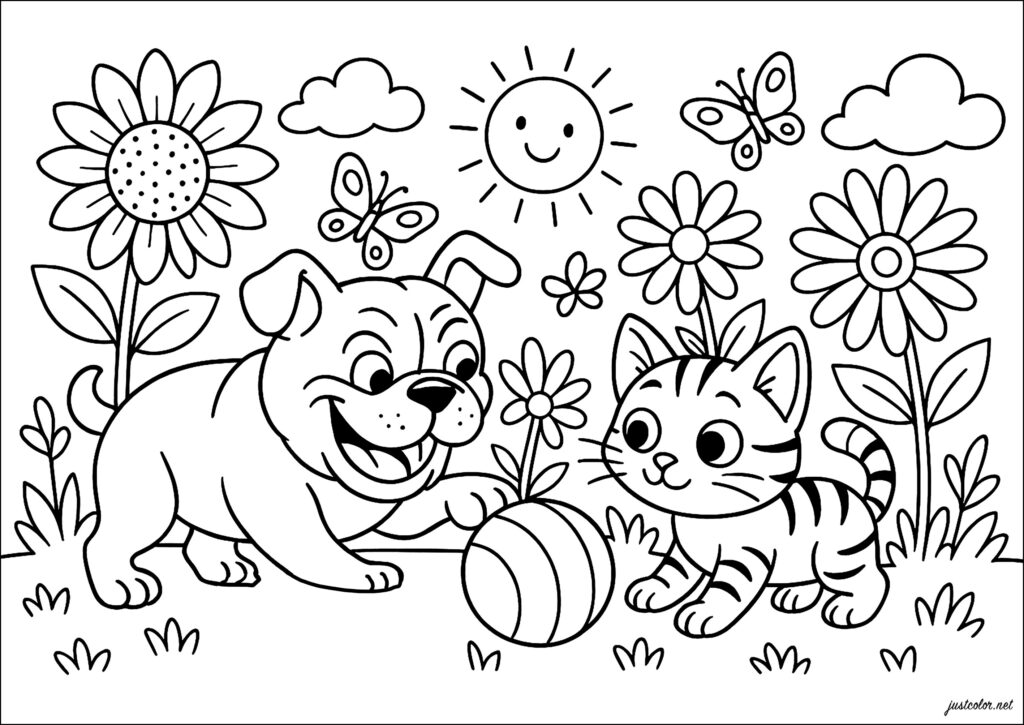
Older children can handle moderate detail and may enjoy themed pages. In libraries or families, offer a rotating set at a small activity station. Printing and materials: standard 8.5×11 paper, bold outlines, and crayons, colored pencils, or markers work well. Ideas beyond coloring include tracing, storytelling, or color counting. FAQs: preschoolers with supervision; multiple copies for centers; supports handwriting practice. Conclusion: with thoughtful design and flexible use, these pages invite inclusive, enjoyable art that builds confidence.