
On a typical morning, I juggle breakfast chaos with a plan to keep curiosity alive. I grab a solar system printable and watch my kids pause the scramble long enough to trace planets, turning a rush into a small learning moment, as the kettle hisses and the toaster pops and we sketch orbits together.
That first attempt happened at the kitchen table, with markers, a sticky note, and a lot of spillover coffee. We started with the sun and a handful of inner planets, trying to assemble a simple orbit chart. My toddler kept asking why Mars was red, and my older kid wanted to color-code the gas giants. It wasn’t flawless, but the energy shifted from rush to curiosity for a few minutes.
First attempt
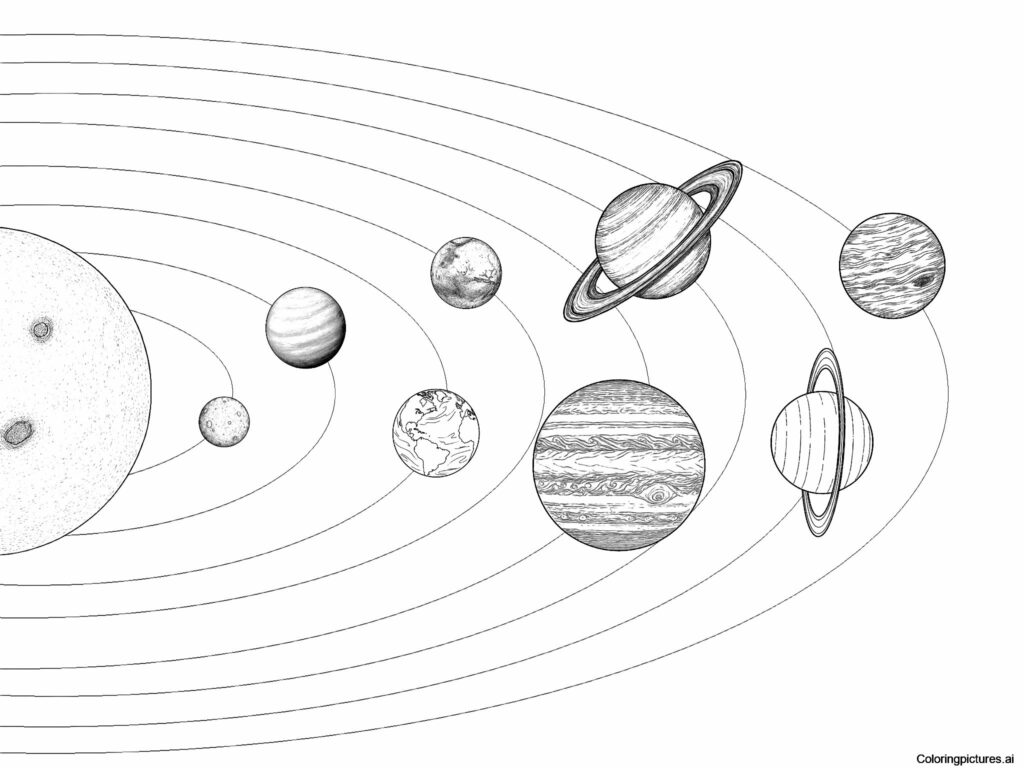
From that initial run I learned to prep a bit ahead: lay out pieces in small envelopes, add a quick reference key, and give each kid their own color set. We discovered that a larger, laminated sheet was easier to handle in a busy kitchen, and that dry-erase markers helped us modify the orbit paths without creating a permanent mess. A timer kept us moving without it feeling like a test.
Lessons learned
Better spacing mattered, and so did choosing the right printable for the moment. On quiet mornings we used simple planet cards and a whiteboard map; on busy afternoons we preferred a poster-sized layout that could be taped to the wall. We saw value in focusing on a few planets at a time rather than the entire solar system, which kept attention without overwhelming my kids.
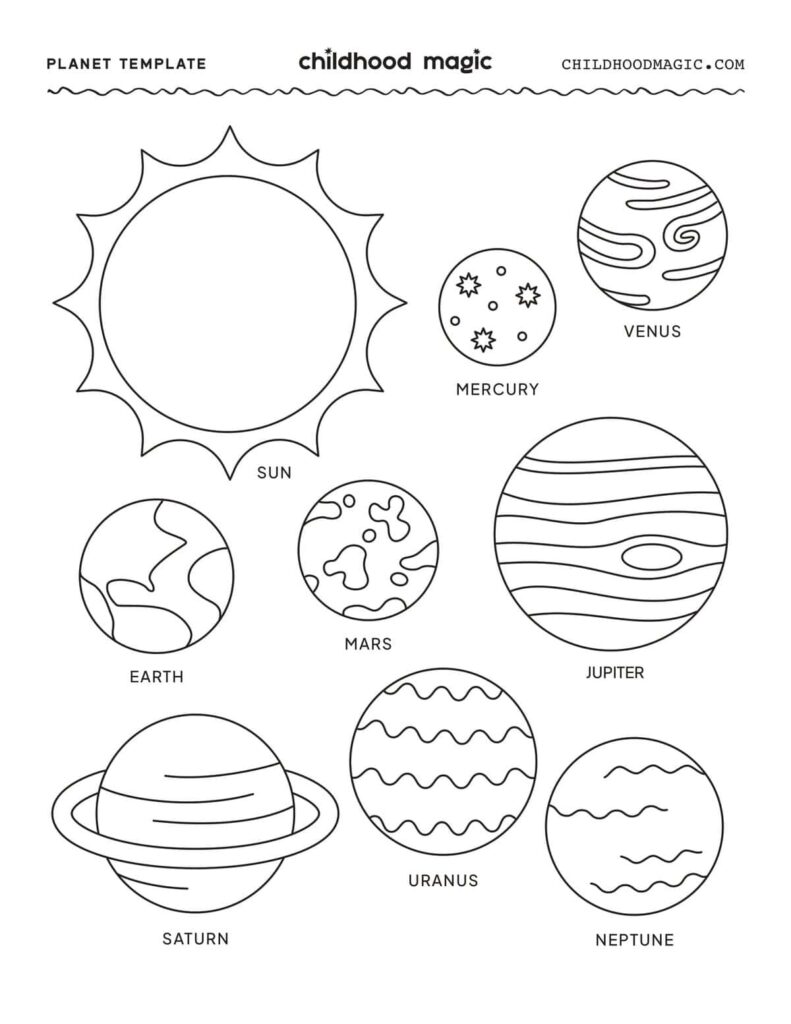
With those tweaks, I started thinking about when to pull the sheet out and what the kids needed most: a quick visual cue, a hands-on task, or a shared story before nap. The printable became a flexible tool rather than a fixed lesson plan, which fits our home classroom well.
Recommended uses
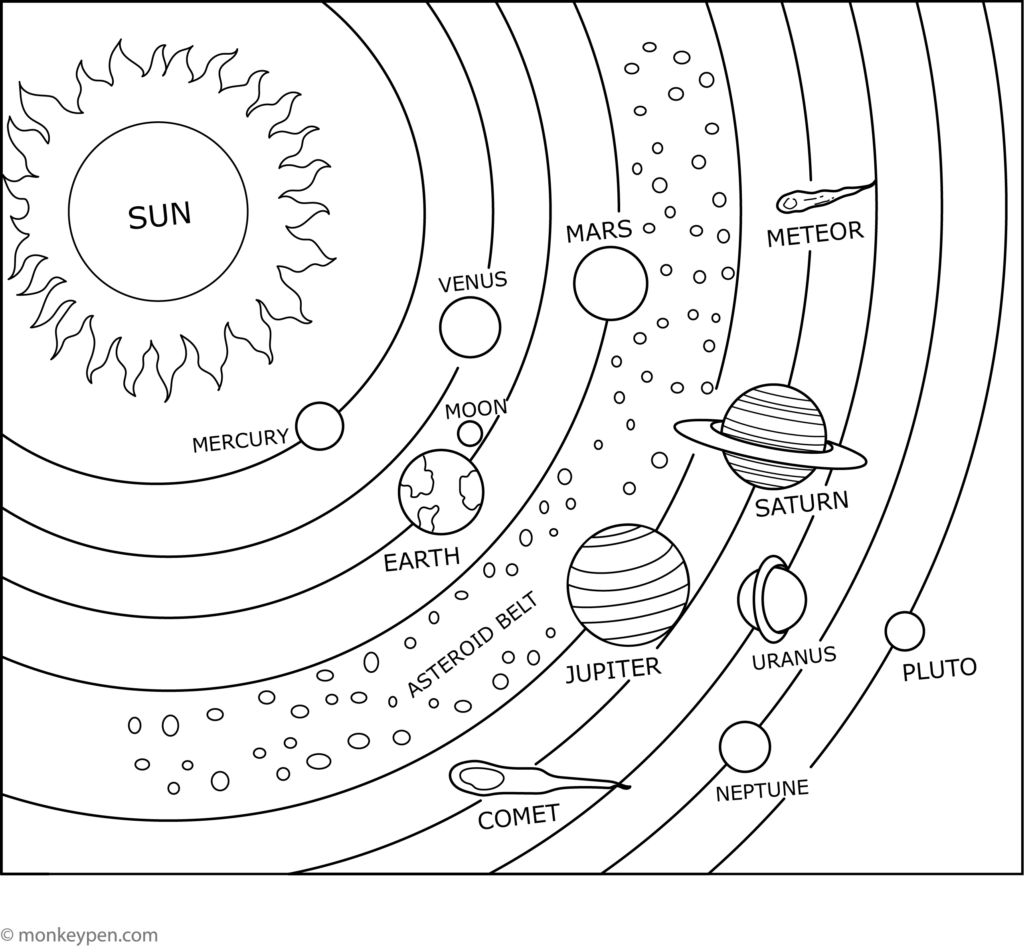
Recommended uses include a quick morning warm-up to spark chatter, an afternoon regroup activity after a messy lunch, or a rainy-day science corner where we pin cards to a corkboard and take turns explaining a planet's feature. For families, small card sets are kinder on space, while larger posters suit a wall-mounted display.
Another practical tip is choosing formats that match your space and time. If you have a crowded table, small cards paired with a single dry-erase sheet work better than a giant poster. If you can laminate, you’ll get weeks of reuse, but don’t overpack the sheet with every planet at once.
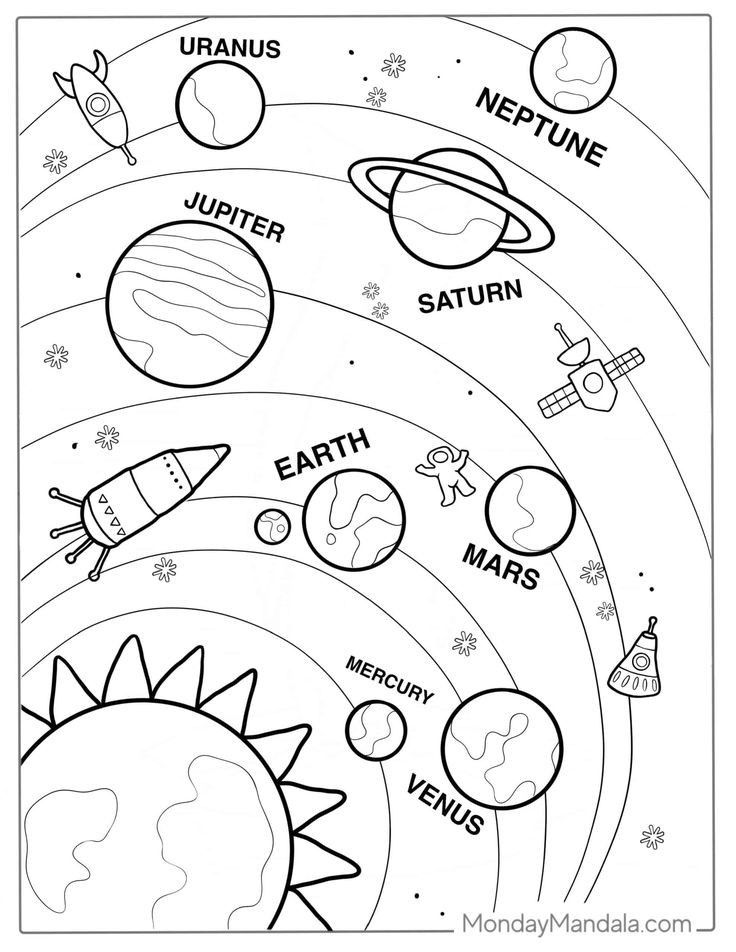
Looking back, I realize the usefulness of a simple printable lives in moments that would otherwise pass in a blur. It doesn’t replace conversation or a real science talk, but it does invite my kids to point, compare, and wonder while we tidy up after breakfast. The right printable for the right moment helps turn a rough day into a sequence of small victories, not a checklist.
So if you’re a stay-at-home dad juggling routines, keep a few versatile formats handy and treat them as a gentle invitation to explore together: a solar system printable can be a quiet anchor in a house full of activity.