I juggle mornings and after-school routines, and I reach for simple tools that fit into the chaos. The frayer model graphic organizer sat on my desk long enough to feel like a calm, small experiment for our family learning. It promised clarity without fuss.
The problem wasn’t curiosity but a clock that never cooperates. Between carpool, dinner, and bedtime, there isn’t an hour for a long lesson. Our kids bring home big ideas with little patience, and I need prompts that don’t derail the evening. I wanted something usable, not another worksheet that requires a private tutor. I also hoped for something portable I could carry to school meetings or the library.
Kitchen-table trial
After homework, we opened a printable page and gathered markers, sticky notes, and a little patience. We chose a gentle starter word—courage—and filled the four sections together. It took two short sessions, with pauses to define terms in everyday language and to share tiny examples from our day. There were giggles over cartoon non-examples and a few quiet debates about best synonyms, but we kept the pace steady and friendly.
We found ourselves pausing to ask what we meant before writing and to check that our ideas made sense to the others.
A sturdy, simple structure
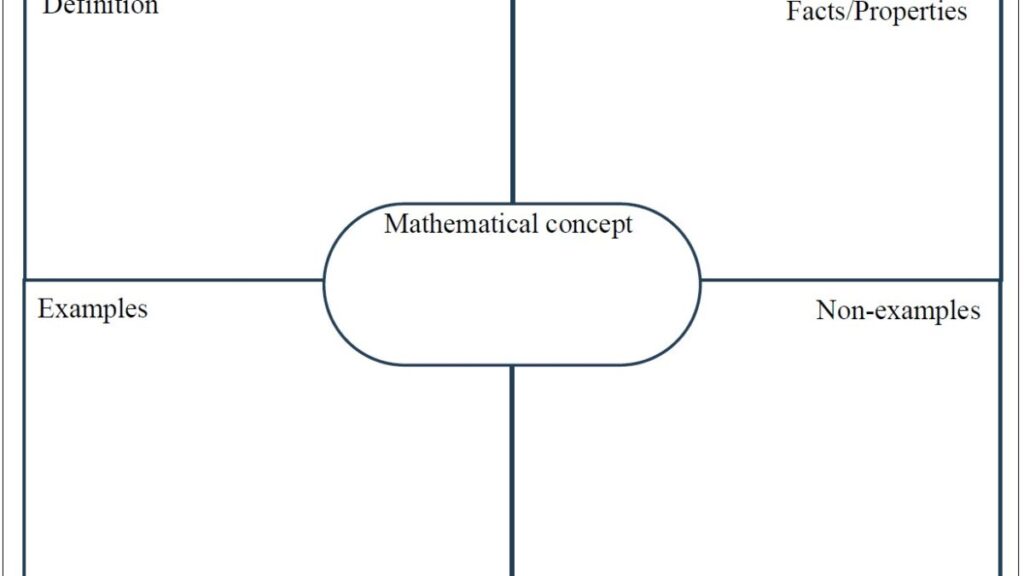
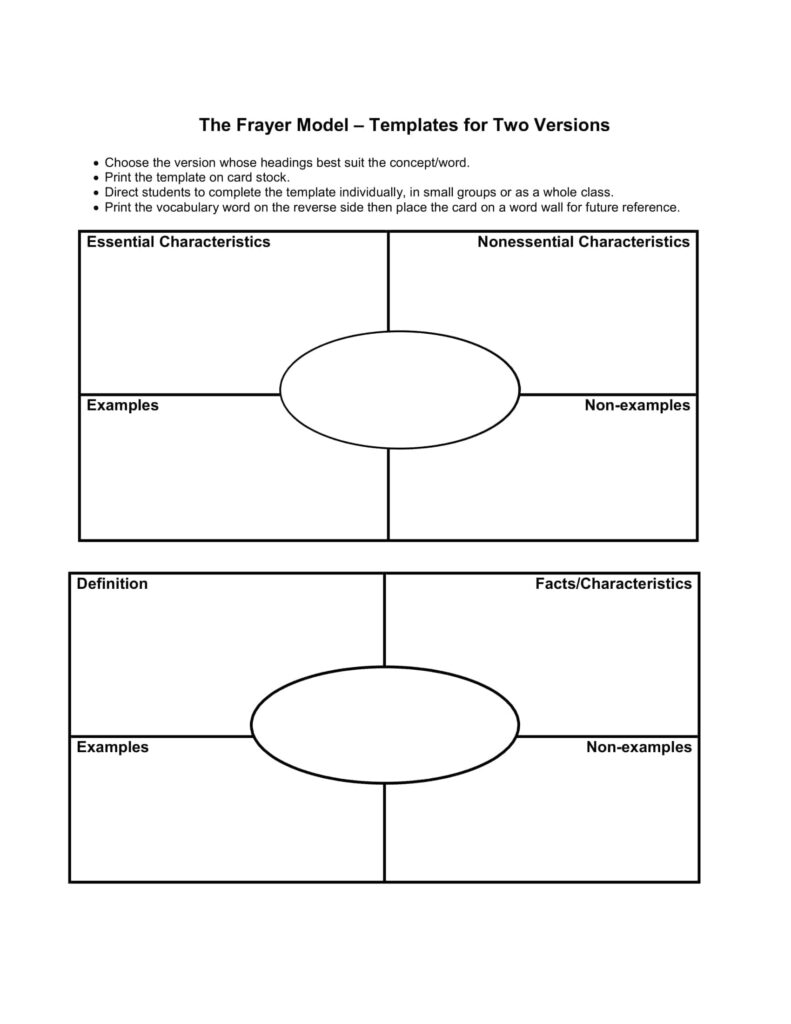
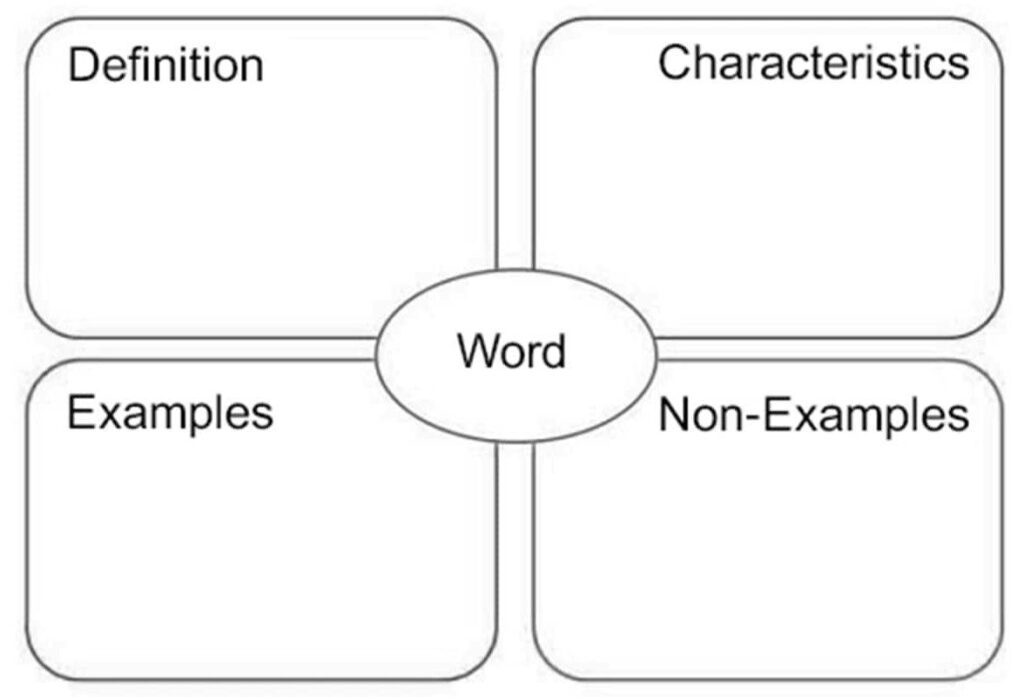
The four-box layout is simple in theory and surprisingly sturdy in practice. You name the word, rephrase it simply, list concrete traits, and point to something that isn’t it. We borrowed a few sticky notes to rearrange ideas, which kept the page flexible. My younger child loved doodling little icons; my oldest appreciated a few crisp phrases she could reuse in class discussions.
It isn’t a magic wand, but it does offer a concrete structure for thinking aloud together. Sometimes the page got crowded with ideas, and we slid the boxes around like a puzzle.
Limits and tweaks
There are limits, though. Abstract ideas resist tidy boxes. The four boxes can feel rigid if you push for full sentences in every quadrant. For younger kids, oral prompts or picture cues help; for older ones, you can skip the non-example and focus on concise definitions. On extra-busy nights, the routine may slip, so we treat it as a quick check-in rather than a full lesson.