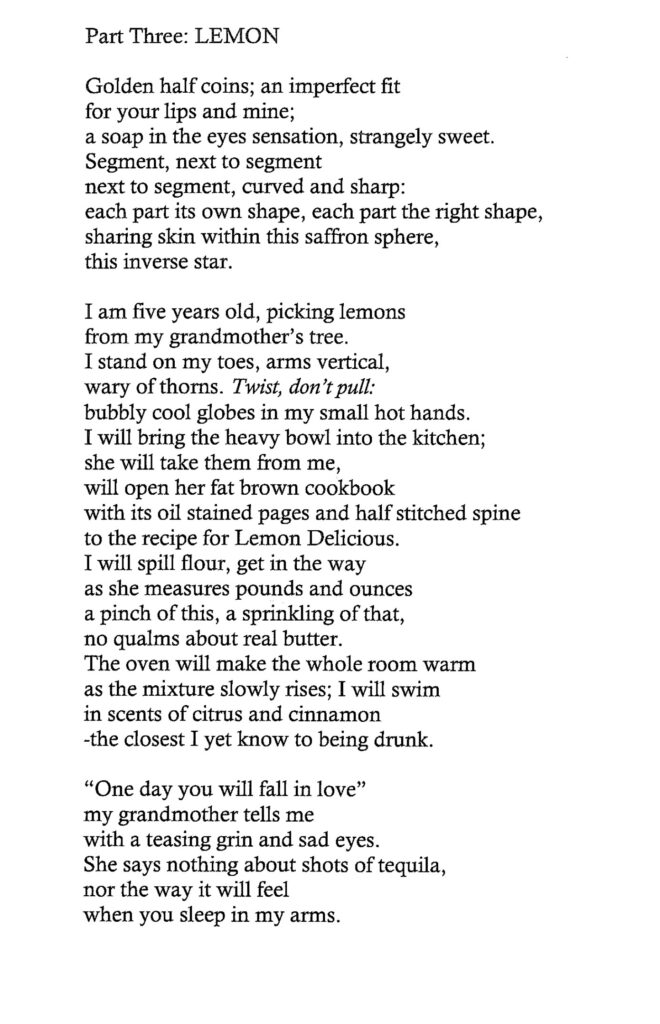
That morning, as a classroom assistant, I walked into my room with a tote of worksheets and a stubborn clock ticking loud enough to scare away focus. I needed something simple that would anchor a small but real discomfort—that moment when a student watches others speak up and feels the room tilt away from them. I grabbed a printable I’d used before, hoping for a steadying touch.
It turned into a tangible, usable moment—a example of a slam poetry moment—that encouraged a quiet kid to raise their hand and test a voice.
That kind of fix is rarely dramatic, but it’s practical. The printable I chose was a single sheet with a bold title and four prompts: write a line about yourself, listen to a partner, describe the room in a word, and propose one small action. It was compact enough to fit on a clipboard, but rich enough to give structure. Within minutes the room settled, and I watched the quiet kid find a thread to pull on in front of the class.
Choosing the right printable for the moment
Choosing the right tool starts with listening to the moment you’re in. If a student needs permission to speak, a short card with a single line prompt can guide them without stealing their voice. If the goal is reflection, a simple graphic organizer helps map feeling to words. If chaos is erupting, a quick countdown or turn-taking card can calm the room and buy a moment to reset.
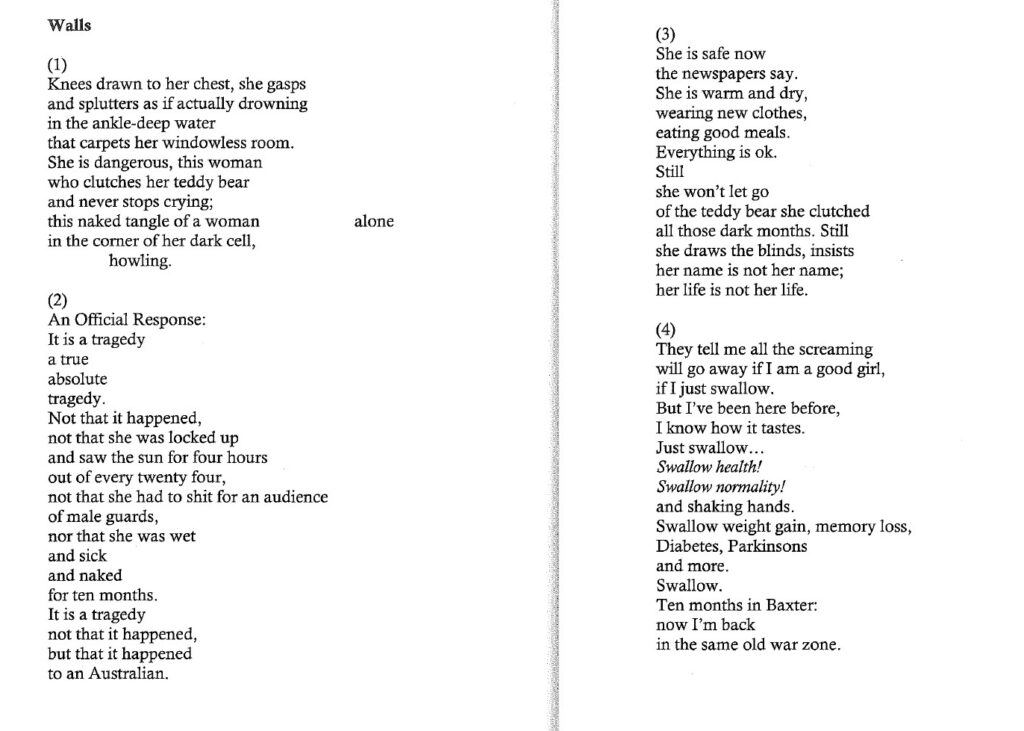
On a busy afternoon, two students argued over who would lead the slam-poetry practice. We pulled out a printable that listed roles—speaker, listener, timekeeper, artist—and had each student pick one. They filled in a short line about their part, then swapped to hear a partner. The room softened; voices found cadence instead of volume. By the end, a shy student delivered a tiny verse about being heard, and the room applauded the effort rather than the drama.
Tradeoffs and adjustments
Printables move quickly, which is both a strength and a trap. Keep fonts large, limit content to a page, and avoid dense paragraphs. Some kids breeze through; others stall and need a gentle prompt. The risk is over-structuring, which can squeeze out spontaneous voice. So I leave a blank corner for doodles or a personal cue and remind myself to step back if the energy spikes. It’s a balance, not a protocol.

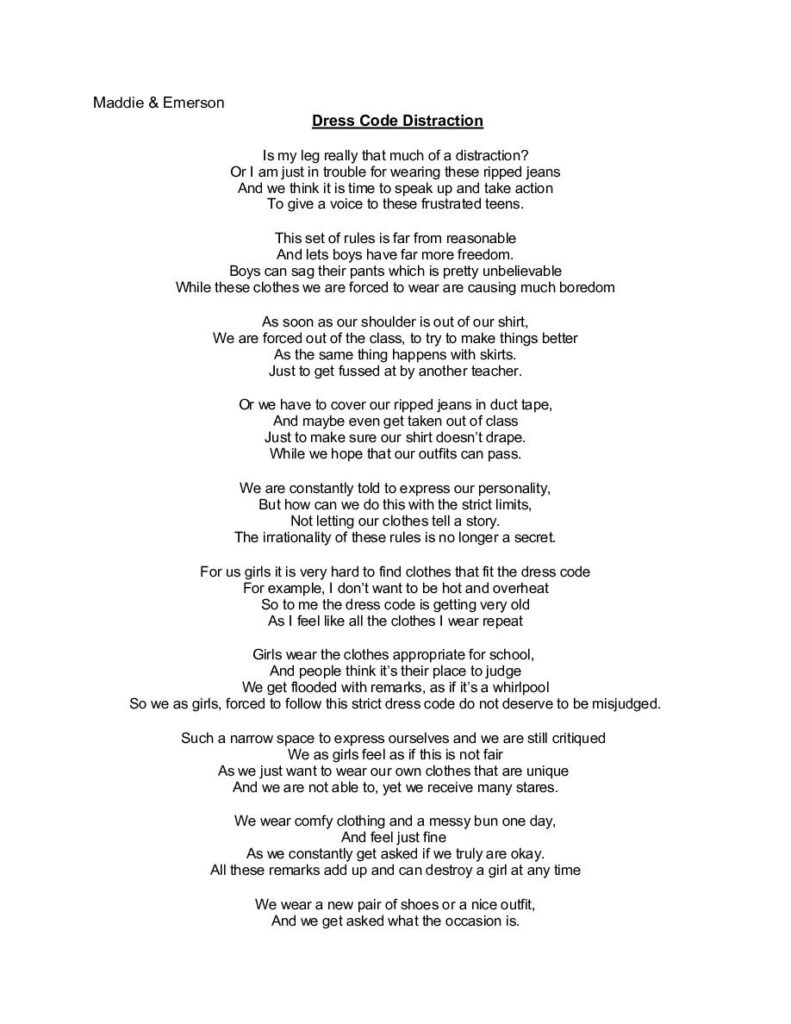
Start with a small set you actually use: a four-line verse prompt, a tiny rubric, a turn-taking cue, and a listening checklist. Keep templates editable so you can tailor tone and length. Print on durable stock or laminate for reuse. Store them in a clipboard-style binder so they’re there when you need them, not tucked away in a digital folder you forget to open.
So next time I weigh a printable against a moment, I remind myself that the best choice is the one that lowers the barrier to voice without dictating the path. The right sheet won’t solve every performance challenge, but it can guide a shy student toward speaking or a group toward listening. In that way, a small tool becomes a bridge, a hinge, a moment of belonging.
It’s a simple, practical reminder that as a classroom assistant, an example of a slam poetry moment can begin with a page and a prompt.