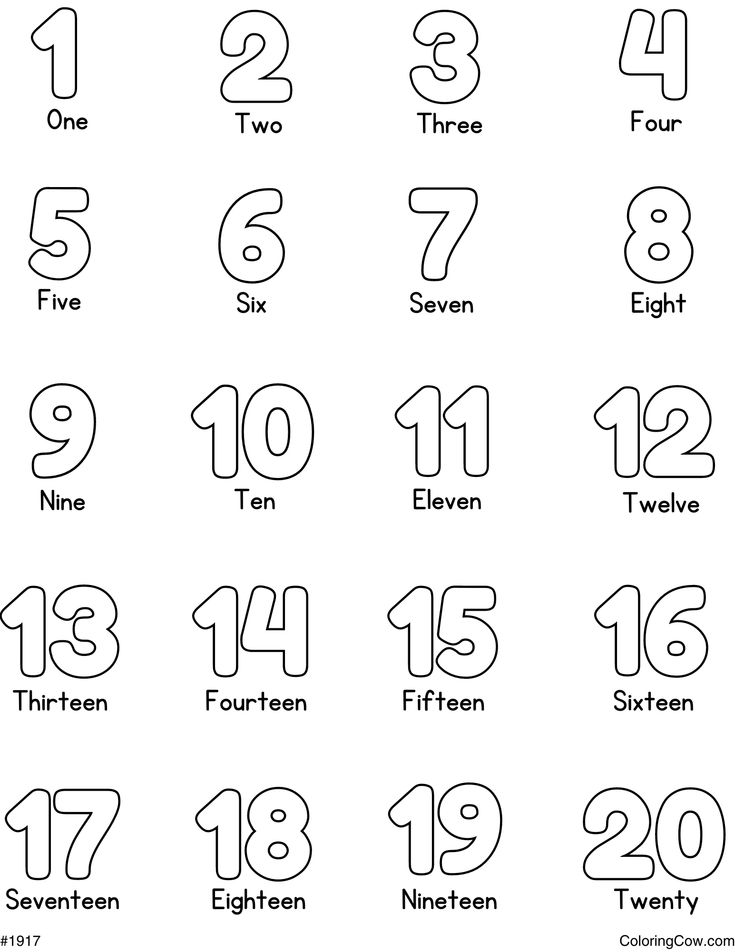
Every morning I plan around predictable visuals, which helps my kids feel secure as routines change. A small tool I keep handy is a folder of color-coded steps and a set of printable color numbers I can tape to the board.
During math stations, I print a row of colored digits that correspond to our focus for the week. Students point to the number that matches the task, and I use it as a quick checkpoint for completion. The colors cue attention and help younger learners organize materials without extra prompts. It’s not a magic fix, but it reduces the demand on my voice.

A simple color system
I set up the week by printing a batch of number cards in bold hues, then laminating and binding them into a tiny folder. Every morning I crop a few to display at centers and clip the rest to a portable ring. The routine helps students anticipate what comes next, and I can quickly reconfigure tasks when a lesson runs long.
To keep us moving through transitions, I pair the numbers with tiny icons and run a quick five-step routine posted on the wall. The kids touch the matching card when they finish a task, and I check off progress on a printed chart. If a student needs extra support, I pre-select a gentler color pair and we rehearse the step aloud together.
Practical setup
On days when the room is crowded, I pull the supply tray closer and reuse the same digits across stations. I print in different sizes so students with limited vision can still see them from across the room, and I keep a backup set in a zipper pouch for substitute teachers. The routine scales up or down depending on the class size.
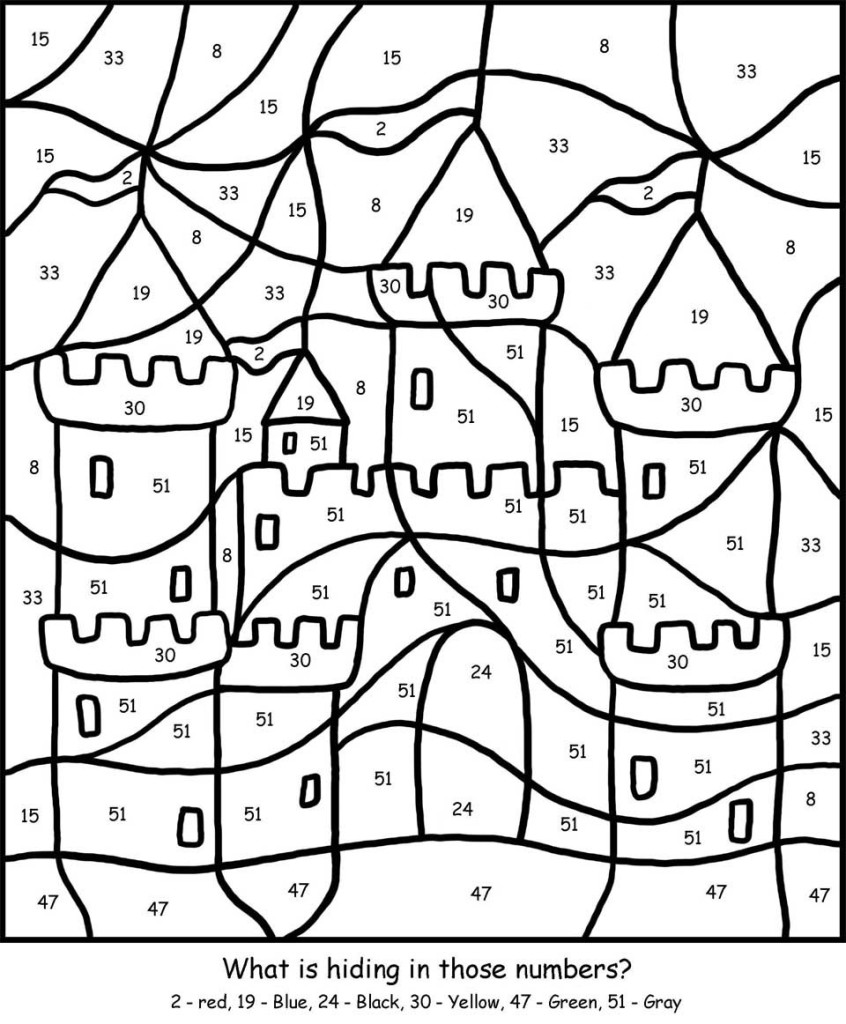
One honest snag: color calibration can drift from page to page, and two pupils may pick similar greens and blues, which confuses sorting. I compensate by adding a plain black version of key numbers for comparison, and I budget a small monthly expense for reprints when the colors fade. Laminating helps, but it still wears after a few months.
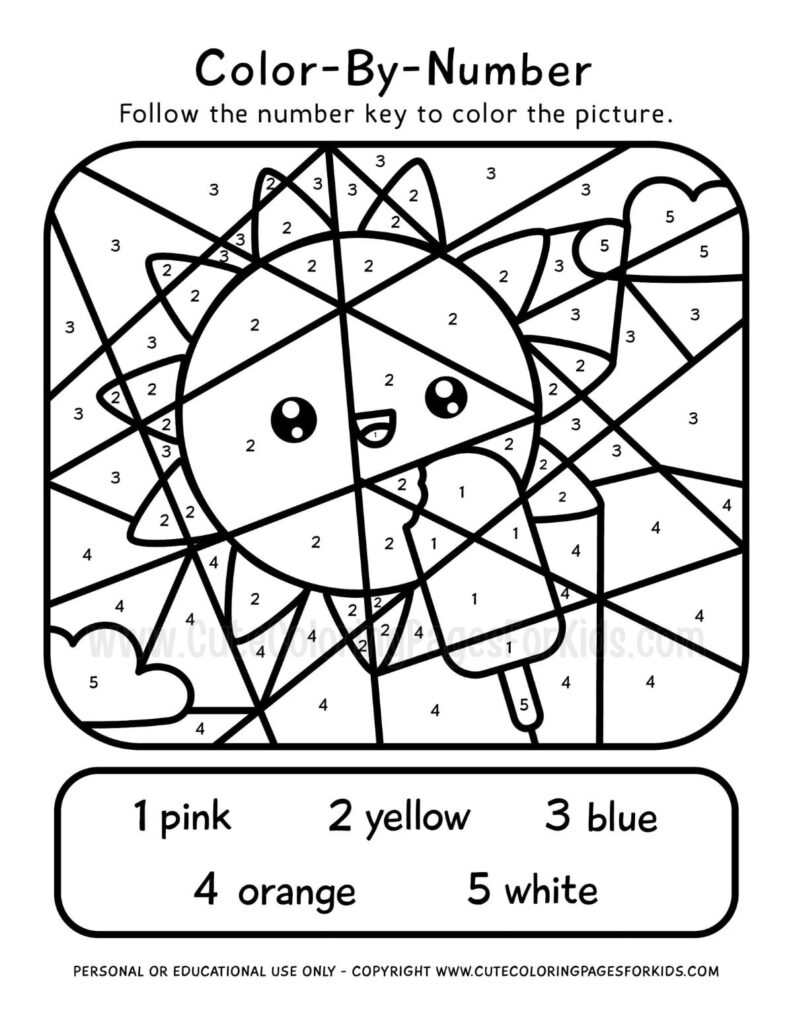
Looking back, the routine held together because of small, intentional visuals that travel with us. If you’re building a plan for your own classroom, start with a single color-number set, laminate, and keep a second copy in a binder for substitutes. The takeaway is simple: when structure travels with the day, learning tends to follow. printable color numbers stay in the background, quietly supporting independence.