
As a librarian, I notice how a simple tool can steady a morning, and a number chart printable often does that work quietly. It sits on the kitchen counter while breakfast happens, nudging my kids toward counting as we pour milk and gather backpacks.
On my first try, I expected smooth solo practice after breakfast, but reality looked messier. One child traced numbers with a finger, another tried to read the row like a book. My plan was flexible: we paused, labeled a few anchors, and I joined as a gentle guide rather than drill sergeant. We ended with a quick recap and a shared smile.
Morning routine
During school hours, the chart doubles as a warm-up tool during arrival and math centers. I like laminated pages on a clipboard near the rug, where students can point and count aloud together. The appeal is immediacy, but I remind myself and the team that it won't replace guided instruction. The best moments come when a quiet student volunteers a number they know, and the room hums with small, confident voices.
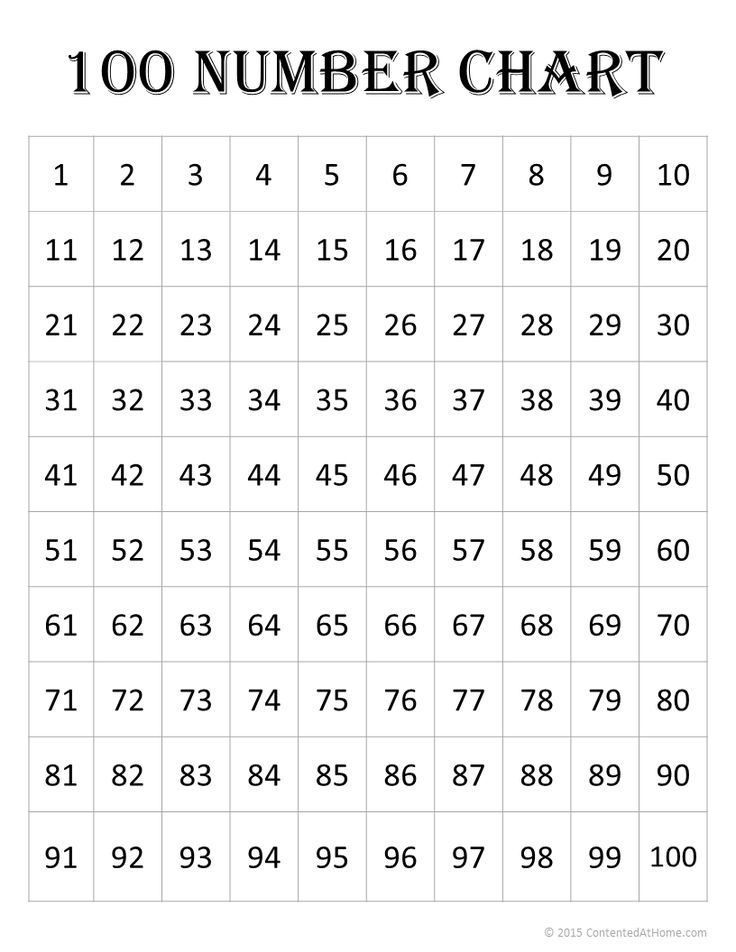
After lunch, small groups revisit the page with different focuses—one counting by twos, another identifying missing numbers. The printable's strengths are its simplicity and inexpensive reuse, but its limits appear when students need more hands-on manipulatives or when language barriers slow participation. We try pairing it with quick, tactile aids like beads or buttons to bridge gaps. That adds time we don't always have, so we rotate activities.
In the classroom
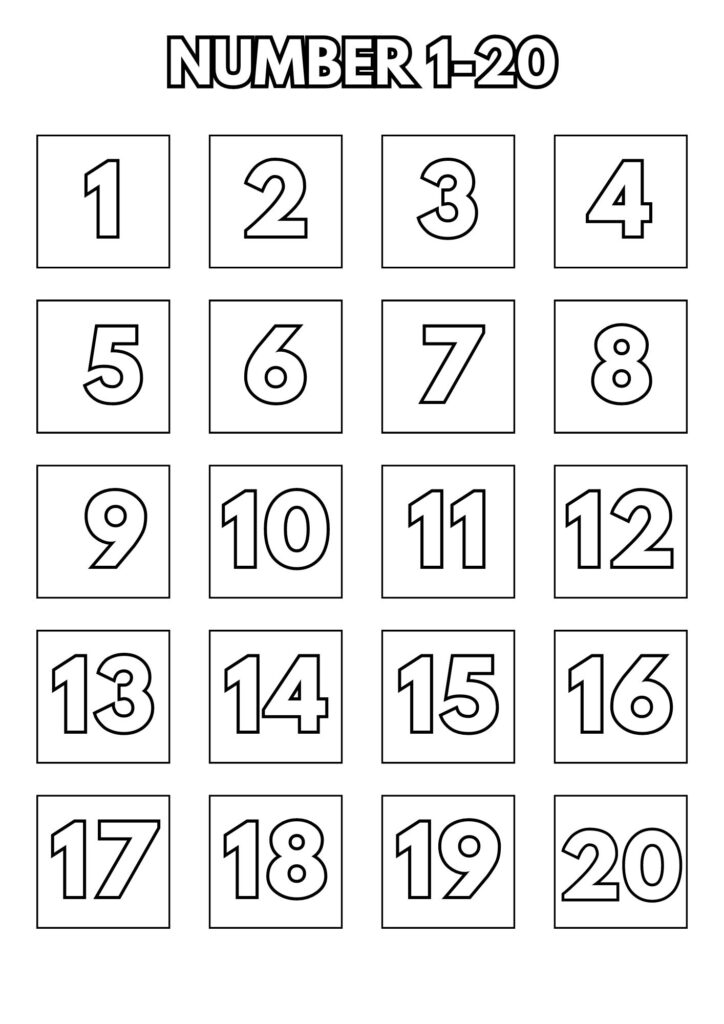
My experience taught me to print in grayscale to save ink, and to keep a rotated set of numbers up to 20 for a first grader and 100 for larger learners. The resource works best when paired with counters, ten-frames, and a quick, tactile routine. We also use a simple verbal cue: 'Count with me' to invite participation. For learners who need repetition, I leave a spare strip with the digits repeated and a cue card they can color.
At home, the chart can anchor siblings' counting practice during a shared breakfast or a drive to school. I encourage families to customize it—add stickers near milestones, or cut out digits to manipulate. It becomes a bridge between the library's quiet shelves and real-life math talk. When we travel, the pages travel too, tucked in a tote for spare moments. We also keep a simple parent note in the tote explaining the purpose and suggesting quick extension ideas.
Realistic limits
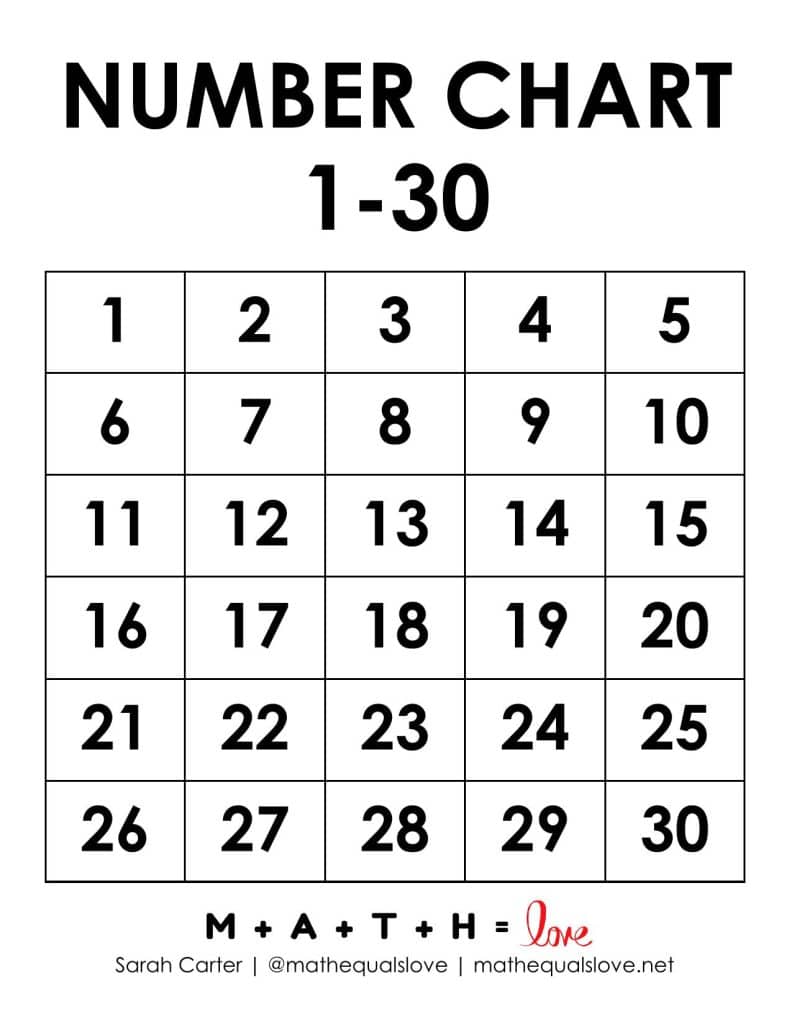
Begin with a small, 5-minute routine, then extend as interest grows. Use it with guidance, not as a test. Consider laminated pages for reuse, and keep a backup set for non-glossy printers. Remember that students benefit from concrete manipulatives and storytelling alongside the numbers. I often pair it with a quick counting chant or a picture book page about numbers. If a child grows bored, switch to a counting game with dice or cards, or invite them to tell a small number story using the chart.
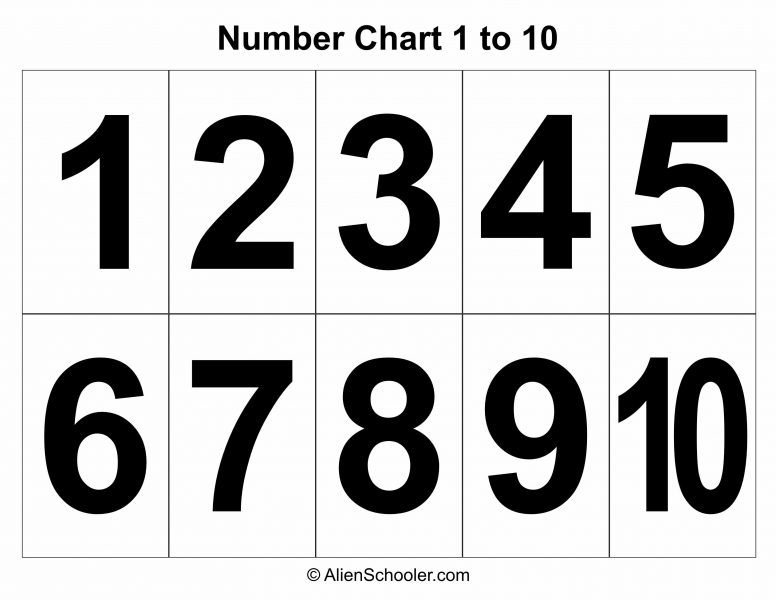
As I close the book and reset the shelf, I reflect that a tool like this is a helpful nudge, not a magic cure. The best outcomes come from steady routines, thoughtful prompts, and adults who lean in to guide curiosity. My takeaway for families and teachers is simple: use the number chart printable as a starting point, then build from there, occasionally revisiting what counts as progress and who gets to lead the counting. I also remind myself to celebrate small, concrete steps, not the speed of progress.