
This morning I opened my planner and considered the printable grading sheet, hoping a clear structure would save time, keep my week on track, and give my kids a calm way to see how their ideas translate into real, measurable progress at a glance.
Morning math and reading went smoother than usual because I laid out tasks on a single page instead of sticky notes scattered across the table. The sheet helped us track what was due, what was mastered, and what needed a quick review. My older child liked the space to write a short reflection, while the younger one enjoyed the little check boxes. It felt like a quick ceremony of progress, something we could celebrate every time we finished a task.
A practical tool
By lunchtime I could glance at the board and see where we needed to slow down or speed up. The layout offered columns for subject, task, mastery, and notes, which made it easy to read at a glance and talk through progress during a short break. We debated a math problem and used the notes section to write a tiny hint we could revisit. That quick review revealed a pattern: fluency in facts needed a short drill.
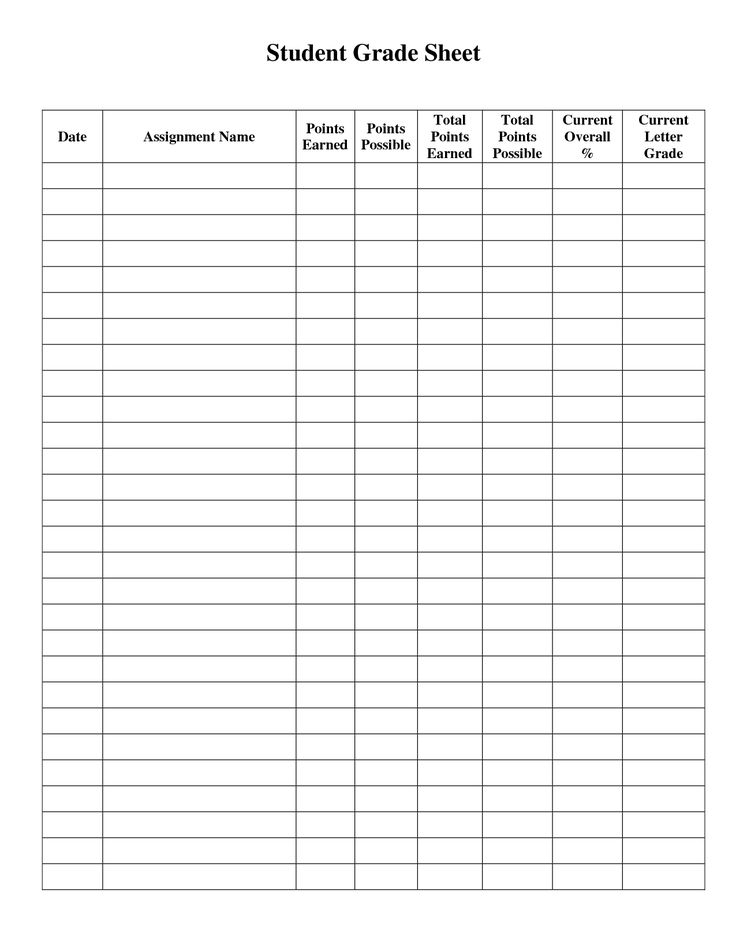
I noticed the format wasn't perfect for our day. The space for longer explanations felt cramped, and the handwriting began to crowd the lines. We adjusted by printing on lighter paper and adding a second page for extended tasks, plus color-coded stickers to mark mastery levels. The core idea stayed solid, but the setup clearly needed a few tweaks. We also tagged tasks with color stickers for quick recognition.
Lessons learned
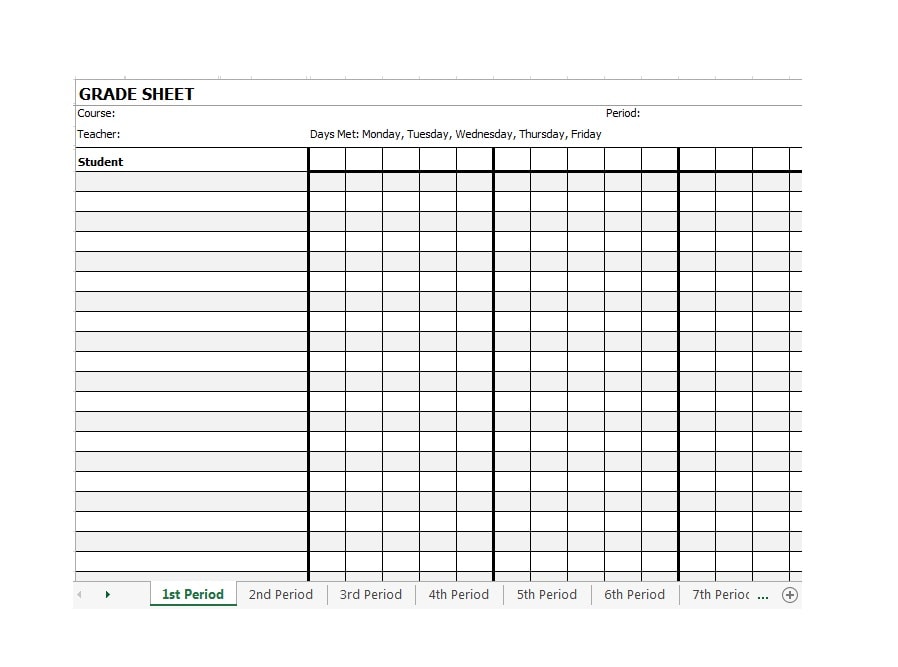
Choosing the right sheet depends on the moment. For daily check-ins with younger kids, a simple, single-page layout with boxes and a tiny notes area works best. For older learners tackling long projects, a rubric-style sheet or a two-page spread can capture skill progress and reflection. The key is to pick something that invites quick use without feeling punitive. It also reminded me to keep it simple for days when we have library time.
Tradeoffs matter. A very detailed rubric gives clarity, but it can slow us down; a bare-bones sheet is fast but less informative. We ended up using a middle ground: a clean one-page form with optional sections that we can print twice if we need more space. It felt flexible enough to borrow for science experiments or literature discussions. That sense of balance mattered more than any fancy feature.
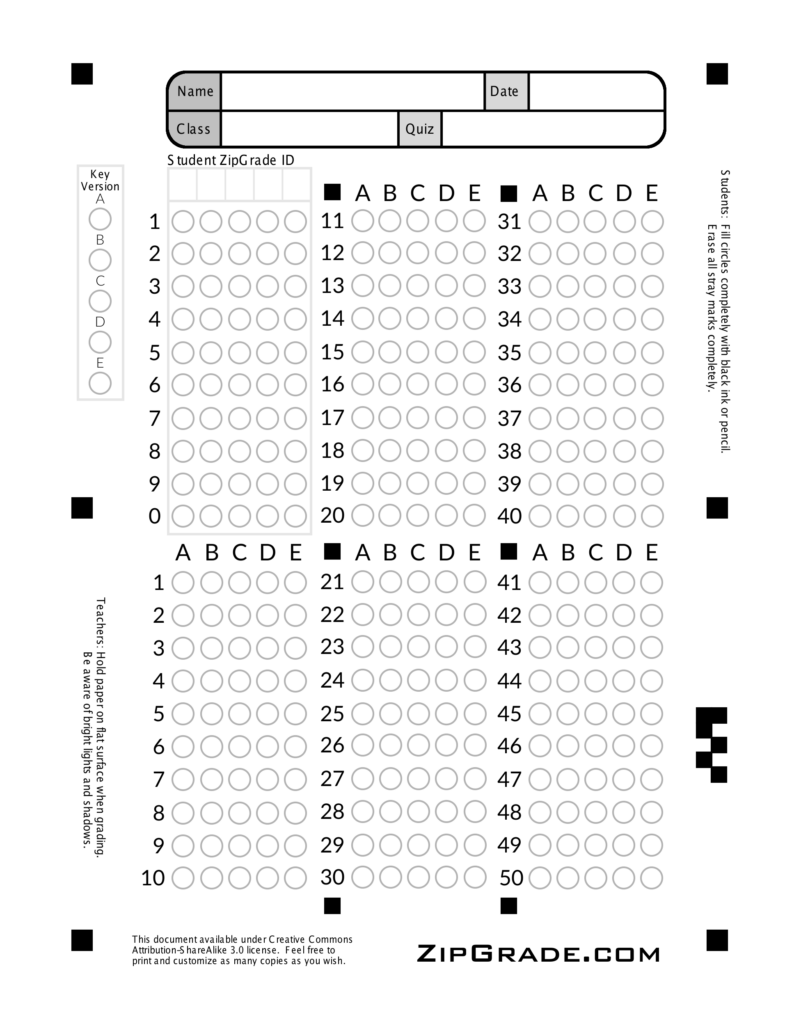
Situational picks
Evening wrap-up and plan for tomorrow. After dinner, we closed the notebook and talked about what the next day would hold. The sheet gave us a concrete map for tomorrow and room to jot questions to revisit. If we manage time better, I will keep the routine; if not, I will switch to a lighter version and save the detailed sheet for heavier days. We used a timer for focus.
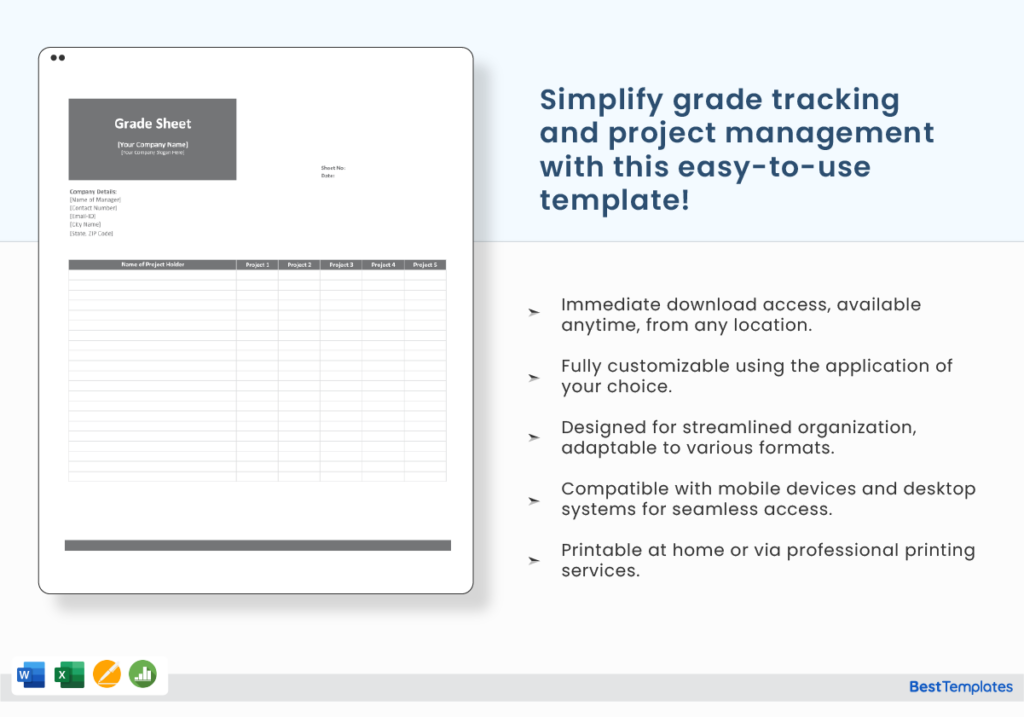
My takeaway is simple: this tool works best when you tailor it to your family rhythm. It isn't magic, but it can save us a few moments during a busy afternoon and give kids a clear sense of progress without endless chatter. Each week I will choose the version that fits the day, and keep it as a gentle, adaptable companion, a true printable grading sheet in our homeschool routine.