
During a chaotic Monday, I pulled a brain teaser printable from a folder I stash for quick ideas and felt a spark: a simple, timed puzzle can reset a room faster than a long lecture. I wasn’t chasing perfection, just a compact tool to reclaim a smoothly ordered period.
Time was tight. I had back-to-back classes, a pile of papers, and a looming deadline for an exit slip. I chose a printable that offered three levels of questions and a clean answer key, something that could be skimmed quickly but still challenged different readers. My plan was to hand it out, set a timer, circulate, and jot a few quick notes on borders of the board to guide conversation. The hallway noise faded as we settled.
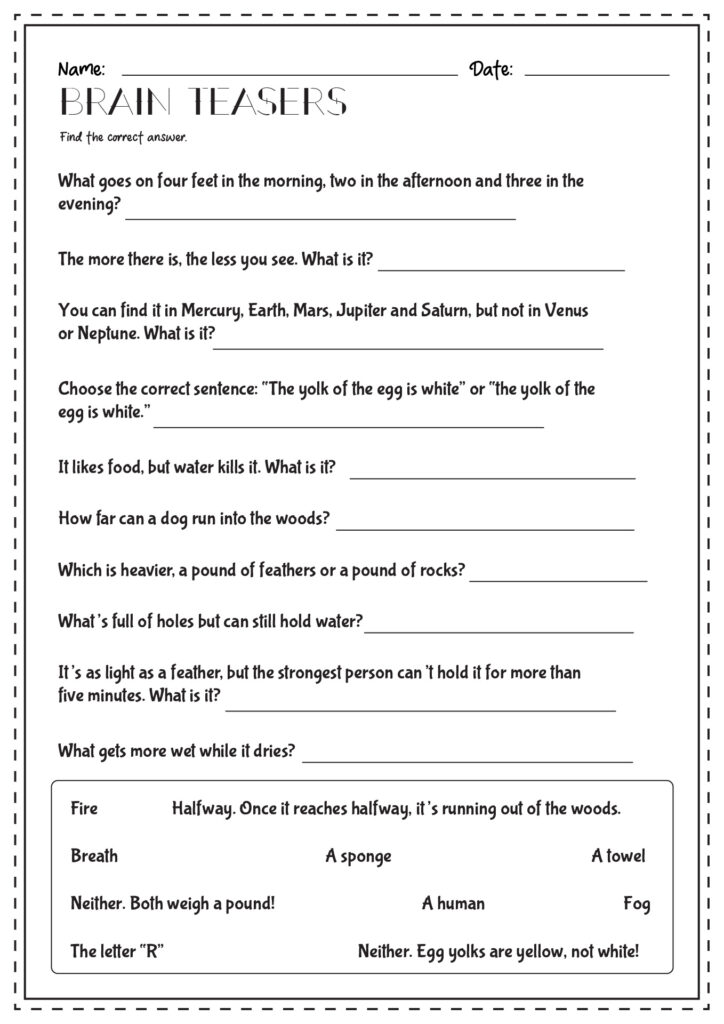
A Compact Plan
With the bell looming, I prepped the desk setup: worksheets in sleeves, pencils, and a small timer on the board. I aligned it with our current content so it felt relevant, not random. I announced a 10-minute sprint, and I told students to explain their thinking aloud as they worked. I left a short sample on the corner for quick reference and reminded them to speak up if they got stuck. And as the class started, I reminded myself to breathe and let some questions linger aloud.
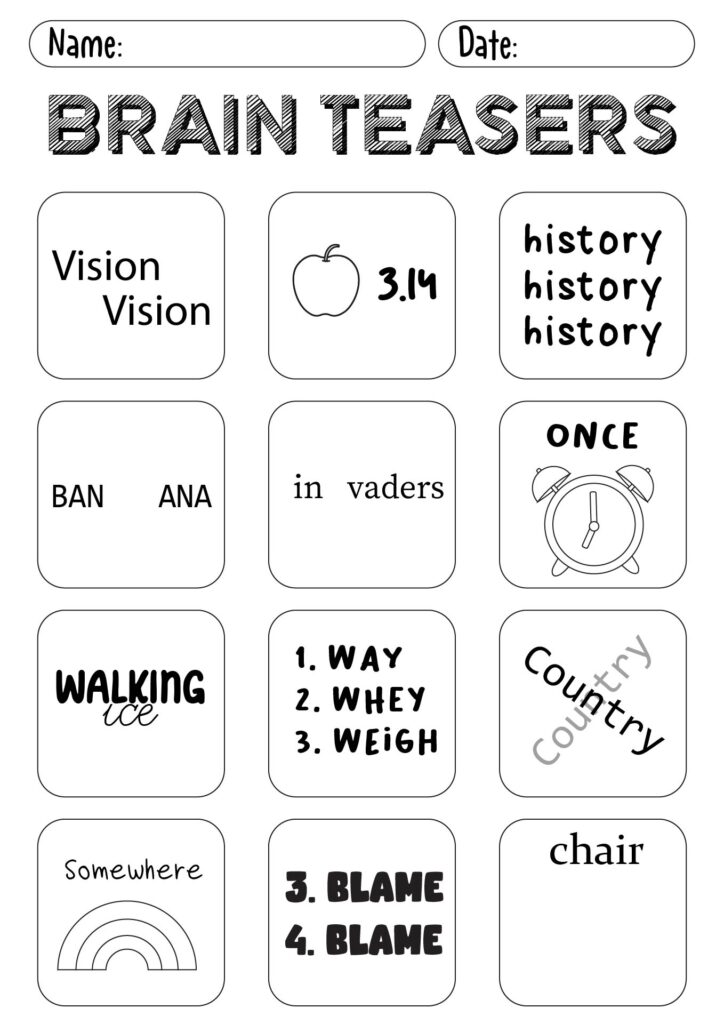
Watching the room shift was telling: some kids leaned in, others paired up, and a few chose to jot quick notes before speaking. The printable wasn't about speed; it was about pattern recognition, persistence, and asking themselves better questions. I noticed a natural pause in the room and a calmer tone across corners. A handful checked in with a partner before writing their final answer. Those little cues later appeared in their notes and questions, a signal that the room was listening.
Routines in Practice
Afterward, I asked for quick reflections: what helped, what caused a stumble, and what could be tweaked next time. A couple of students requested a slightly easier entry point, which reminded me to calibrate deliberately. The routine became a mini checkpoint rather than a test, something we could repeat without drama. A few volunteers offered tips for peer coaching. That feedback loop mattered as much as any puzzle.
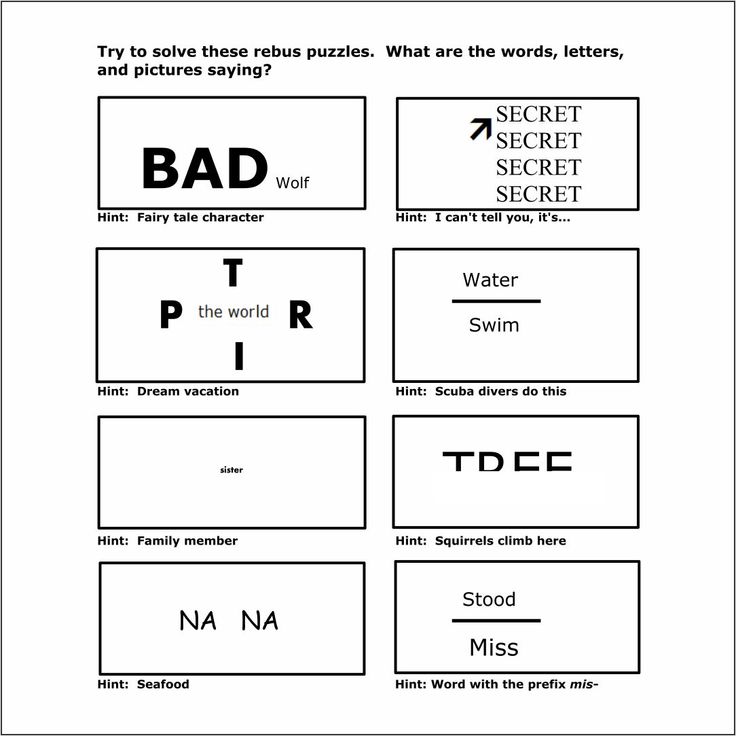
Limitations and Adjustments
Not everything went perfectly. Some classes needed longer warmups; printing limits meant I chose a version without color, which reduced engagement for visual learners. I adjusted by offering an oral prompt and a partner discussion instead of all writing. A few students asked to see a worked example, which I provided briefly after the round. In some cases, I paused to model and verbalize my own thinking out loud so students could imitate.
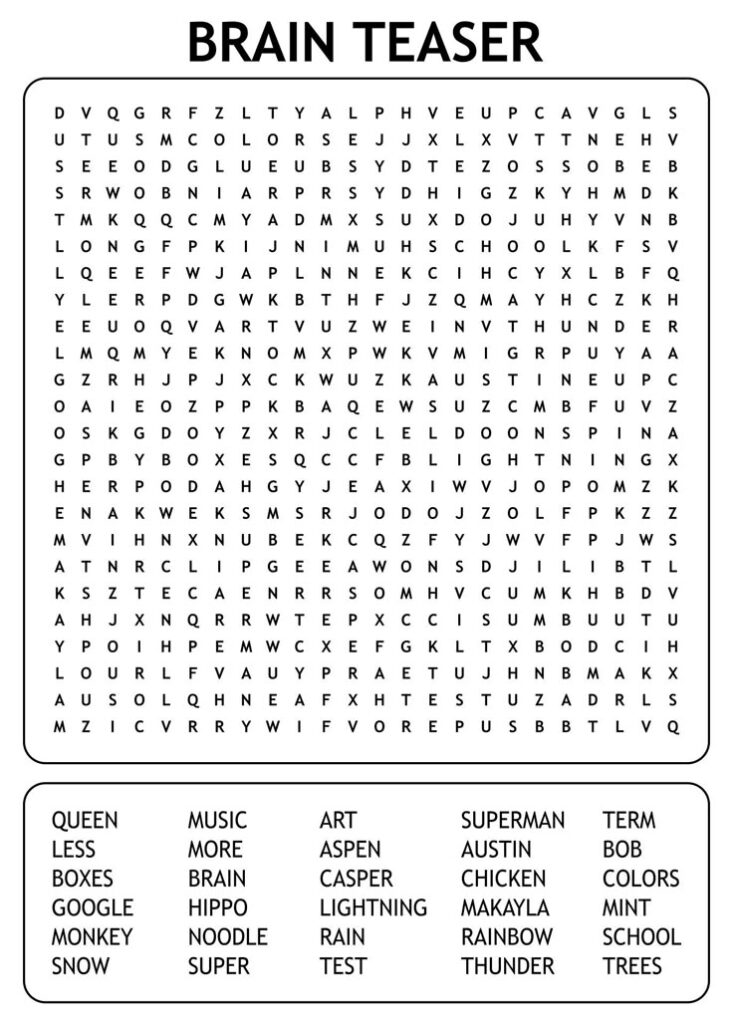
Next time, I would test the setup before class, leave a cluster of quick prompts on the board, and reserve a comfortable time buffer for hesitant groups. I’d also unpack the rubric with a quick mini-lesson so students know what to look for, and plan a short exit ticket that ties the puzzle process back to the day’s objective.
Ultimately, the ritual mattered more than the puzzle itself: it gave us a predictable start, a moment to reset, and a chance to hear quiet thinking. I left the room with a clearer plan for tomorrow and a better sense of what students actually need in a tight period. Shared routines like this, including brain teaser printable, keep planning honest and doable, while proving that a small, well-timed tool can support both pace and thoughtfulness in a crowded day.
I have found that these micro-activities, when scheduled mindfully, help maintain routines across units and prevent burnout for both teachers and learners.