
This morning I pulled up a picture search printable to fill a quiet gap before breakfast, and it surprised me with how calmly my toddler and I could settle into a simple matching game. I wasn't chasing a lesson plan so much as a moment of shared focus.
On my first attempt, I printed a simple page with a handful of clear images – animals, common objects, and a few color patches. The kids settled on the rug, pointing and guessing. The pace forced me to slow down, name what I saw, and celebrate tiny wins. It wasn't glamorous, but the quiet teamwork felt honest and doable for a busy morning.
Morning routine
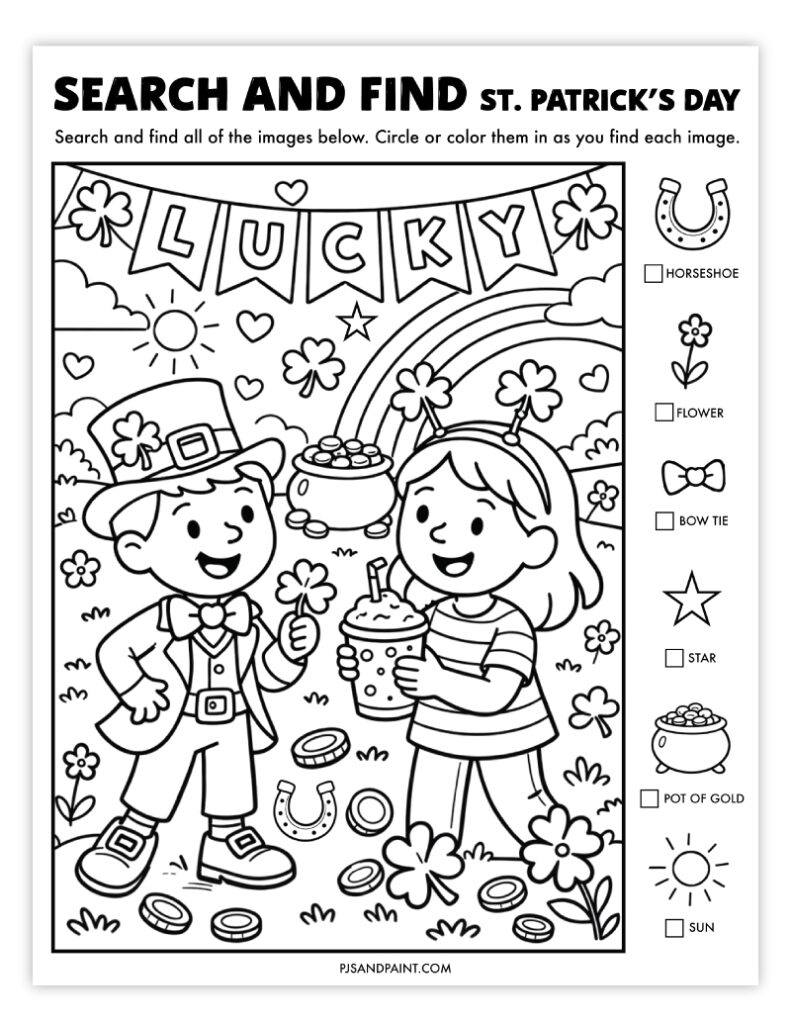
That first use taught me to tune the difficulty to the age. For toddlers, I kept the set compact with large, high-contrast pictures. For older preschoolers, I added a small prompt – the kid describes the item, or I model a sentence. The printable becomes a small scaffold, not a test, and I adjust it as our needs change.
Another lesson was keeping supplies simple. I found it helpful to laminate the sheets or slide them into a page protector so we could reuse them. If we crowd too many options, curiosity fades; fewer choices keep focus. A simple timer helps me wrap the session before lunch chaos slips in.
Classroom at home
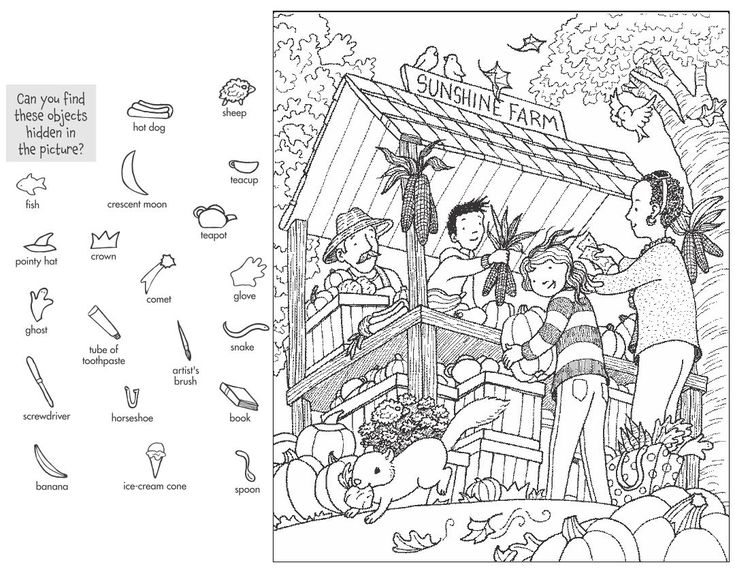
Midday, we carried the routine into our at-home learning window. My older kids chose different categories and took turns leading. We turned it into a quick scavenger hunt around the living room, then compared the pictures and words aloud. It isn't heavy instruction, but it builds attention and collaboration without screens.
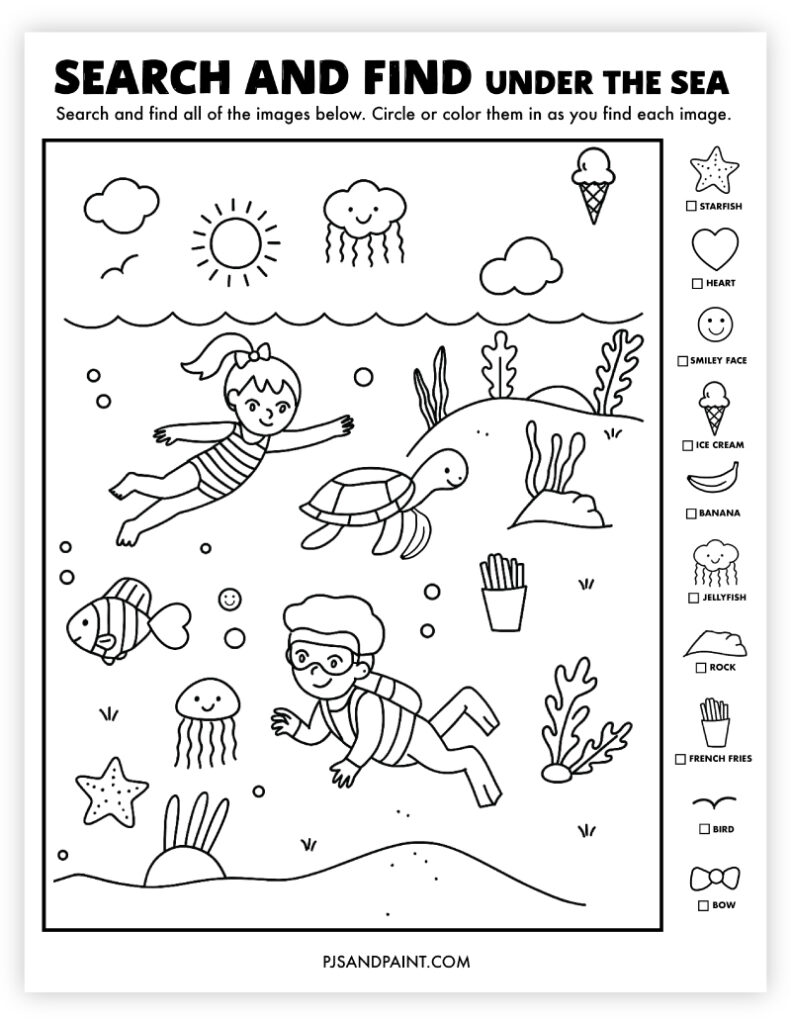
Tradeoffs are real. Printables are cheap and portable, but they demand a printer, ink, and some prep time. If we’re tight on both, a single-page file saved on a tablet can work as a digital substitute – so long as we limit screen exposure and keep the activity tactile when possible.
Choosing the right printable
When choosing, I look for clear, distinct images and a mix of familiar items and gentle novelty. For language practice, small labels help; for younger kids, I skip words and focus on memory and description. The best-fit print should match how long you plan to play and whether you want a quick bite or a longer challenge.
Hurdles and tweaks
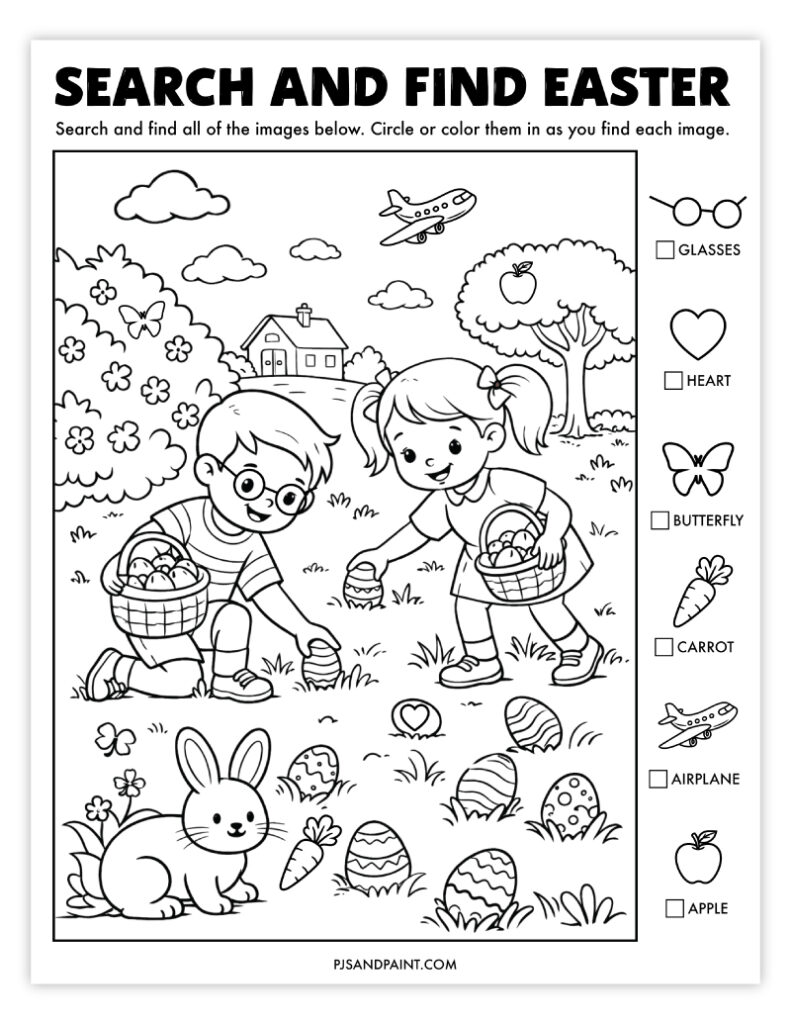
Next time I’d try two short rounds instead of one longer sit. Keeping extras ready in a folder, using a binder clip to keep sheets organized, and a whiteboard for quick notes would simplify transitions. The key is flexibility: the calm moment arrives when you let it, not when you force it.
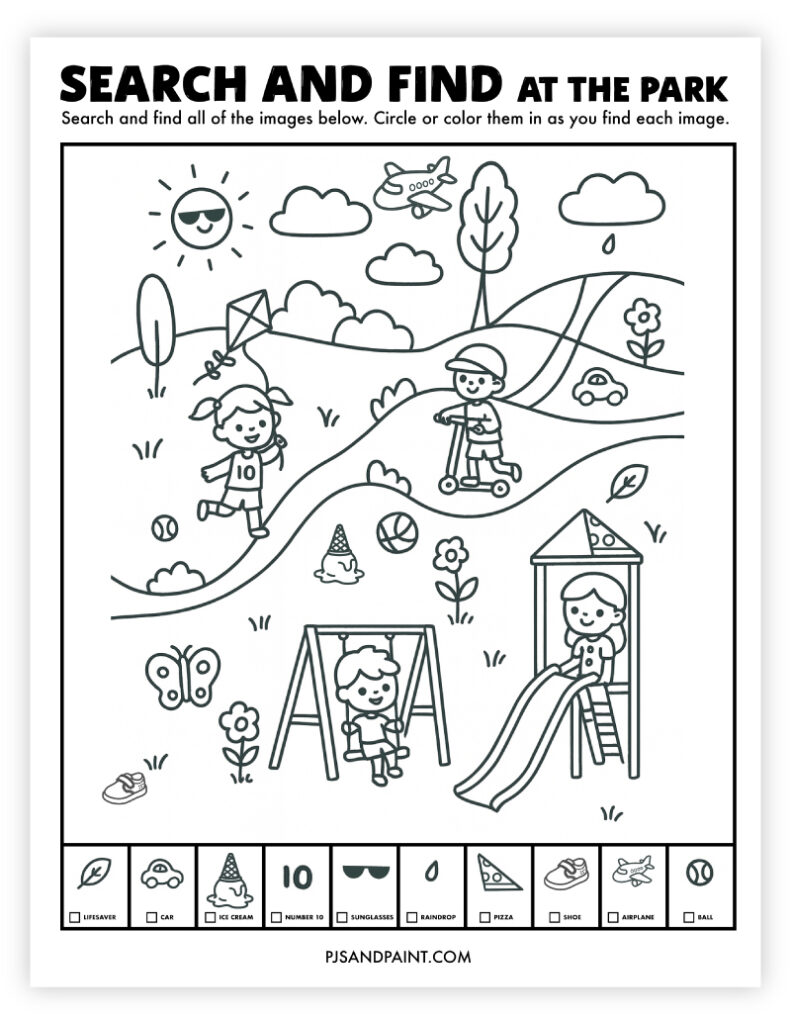
Ultimately, the printable tool became a reliable part of our daily rhythm. It travels easily, survives a spill, and invites focus without shouting. When mornings feel busy, it offers a straightforward way to reset the mood and involve everyone in a shared task. I keep a copy of the picture search printable nearby for those moments when calm learning matters most.