
I tried a free online printable sign maker to brighten our hallway displays and a few classroom notices. It felt quick at first, but I soon realized it wasn’t magic—good signs demand thoughtful choices, not just templates, and my kids sensed that reality from the start.
At first, I opened the tool with a curious smile, hoping to avoid the usual hand-drawn chaos. The interface was friendly, but I stopped myself from rushing through options. I reminded my students that a sign should tell a story, not just look pretty. We agreed to start with something simple, like room rules, and to test readability together. The conversation itself felt like a tiny teaching moment about audience and purpose.
Starting small
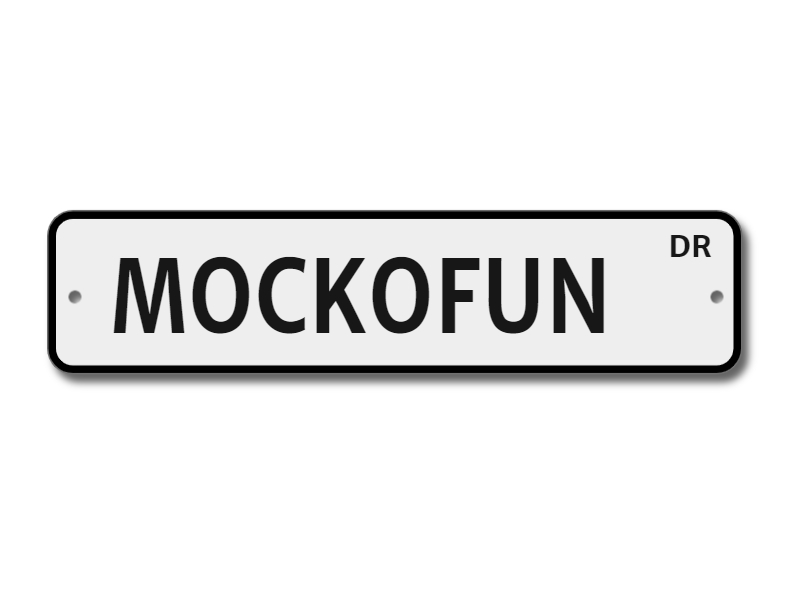
For our first handout, we drafted a single-page poster listing classroom expectations and a basic color palette. The tool let us choose fonts and spacing, but we debated contrast and margins, which reminded us to avoid crowding. We printed a test copy on regular paper, then read it from a distance to judge legibility. Small changes made a big difference, and we saved the revised version for future references.
Yet we hit a few tradeoffs. The templates were convenient, but some felt generic, and not every color matched our school branding. My optimism faded a bit when I realized the final print could drift from the on-screen look due to printer settings. It helped to preview across a couple of devices and adjust accordingly, and we agreed to label which signs are classroom-only versus hallway display.
Reality check
After a couple of signs, we found a rhythm: plan ahead, assign roles, and keep expectations realistic. I asked students to draft mock versions in pencil first, then we translated the best elements into the digital sign. The process became a mini-lesson in design and collaboration, not a solo sprint. When we hit a snag, we paused, discussed alternatives, and measured progress with simple criteria like readability, relevance, and tone.
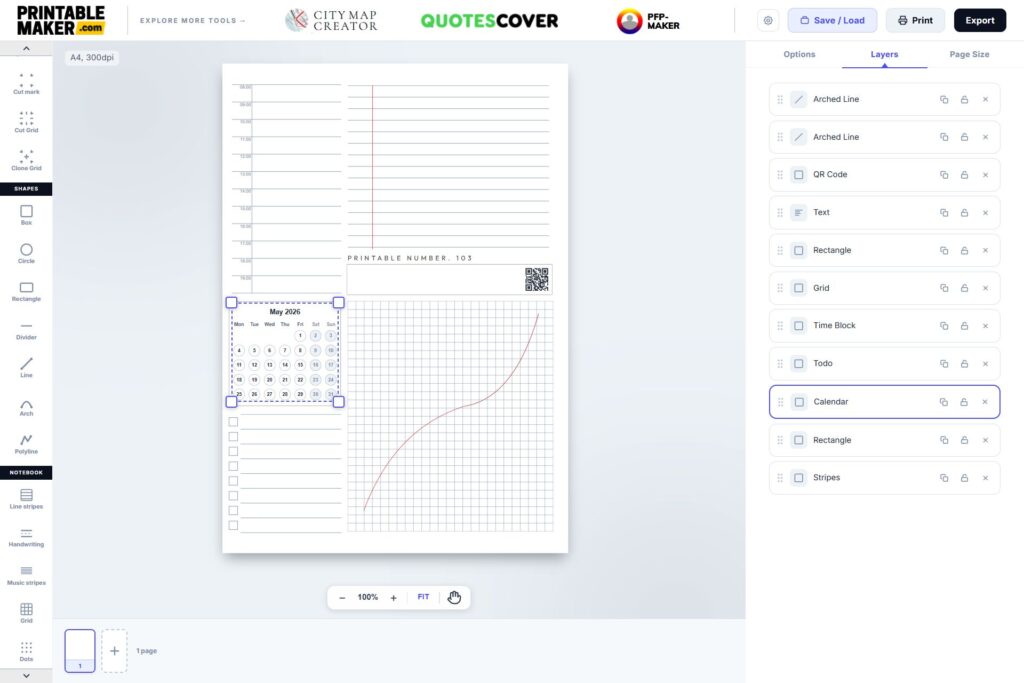
To actually use it in class, I set up a simple file with two version options: a bold title and a secondary line. We kept it in a common format so teachers or custodians could print without special software. We also saved a copy as a PDF and kept a small cheatsheet of font sizes at arm's reach. A quick print test in varying light helped confirm legibility in our corridor.
Looking back, I’d tell a friend to treat these tools as a starting point, not a finished product. They can speed up routine tasks, spark ideas, and involve students, but you still need clear goals, patience, and a plan for printing realities. When used thoughtfully, the journey with a free online printable sign maker can be part of a balanced classroom routine, with room to revise and reflect as needed.